
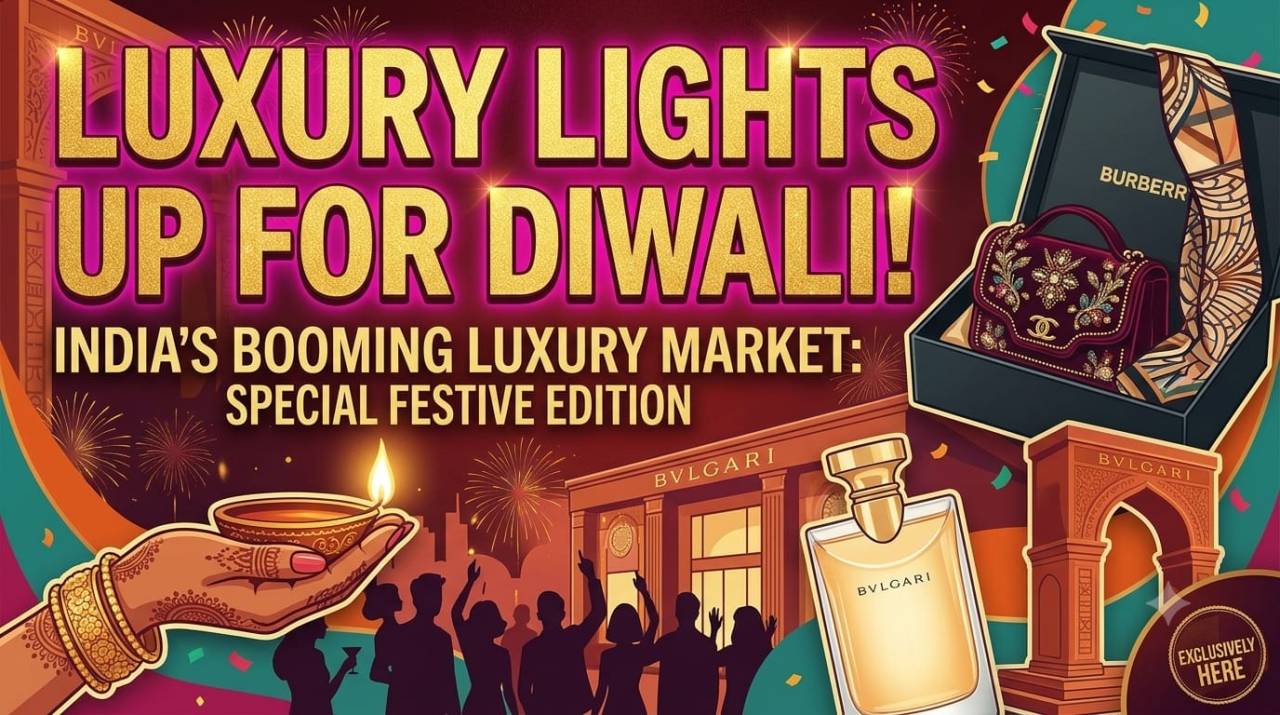
Diwali is no longer just a festival of lights. It is becoming a global luxury showcase, where India's traditions meet the ambitions of the world's biggest fashion houses.
From exclusive Diwali collections to celebrity-studded celebrations, global luxury brands are embracing India's festive traditions to connect with an increasingly influential consumer market.
India's luxury landscape is undergoing a remarkable transformation. Once considered a niche market, it is emerging as one of the world's most promising destinations for premium brands. A growing population of high-net-worth individuals, rising disposable incomes, and increasing international spending are reshaping the country's luxury retail industry.
With India's luxury fashion market projected to reach $33.17 billion (approximately ₹3.15 lakh crore) by 2032, global fashion houses are paying closer attention to Indian consumers.
This growing commercial influence is particularly evident during Diwali. The Festival of Lights has evolved beyond a traditional Indian celebration into an important occasion on the international luxury retail calendar.
For global brands, Diwali now represents an opportunity to combine cultural appreciation, exclusive experiences, and premium shopping.
Global Luxury Brands Embrace Diwali
International luxury houses are no longer treating Diwali as a minor regional celebration. Instead, they are developing exclusive collections, carefully designed advertising campaigns, and immersive experiences inspired by India's festive traditions.
British fashion house Burberry has introduced festive offerings featuring velvet vanity bags and embellished scarves. These products reflect the growing importance of luxury gifting during the festive season.
Other prestigious names, including Jimmy Choo, Chanel, and Bvlgari, are also recognising Diwali's commercial and cultural significance.
The strategy extends beyond selling expensive merchandise. Luxury brands increasingly understand that Indian consumers associate premium purchases with relationships, celebrations, family traditions, and personal milestones.
Diwali naturally brings these elements together. Gift-giving, festive dressing, and family gatherings create opportunities for luxury houses to establish deeper emotional connections with consumers.
For brands seeking long-term growth in India, cultural relevance is becoming as important as exclusivity.
Exclusive Celebrations Bring Luxury and Culture Together
The growing influence of Diwali is also evident in the elaborate celebrations organised by international luxury brands.
Rather than relying exclusively on advertising campaigns, fashion and jewellery houses are investing in high-profile gatherings, private dinners, and artistic collaborations.
These events bring together celebrities, designers, cultural influencers, and prominent business personalities, strengthening the relationship between luxury brands and their customers.
Chanel Celebrates in Delhi
Chanel hosted an exclusive dinner in Delhi celebrating Bollywood actor Ananya Panday as its first Indian brand ambassador.
The gathering also formed part of the French fashion house's broader Diwali campaign, highlighting the growing importance of Indian celebrities in international luxury marketing.
Such collaborations demonstrate how global brands are increasingly incorporating Indian cultural identities into their marketing strategies.
Cartier, Valentino and Harrods Take Diwali Global
Diwali's influence is no longer confined to Indian metropolitan markets.
Luxury jewellery house Cartier hosted its annual Diwali celebration in Manhattan, reflecting the festival's appeal among affluent Indian communities overseas.
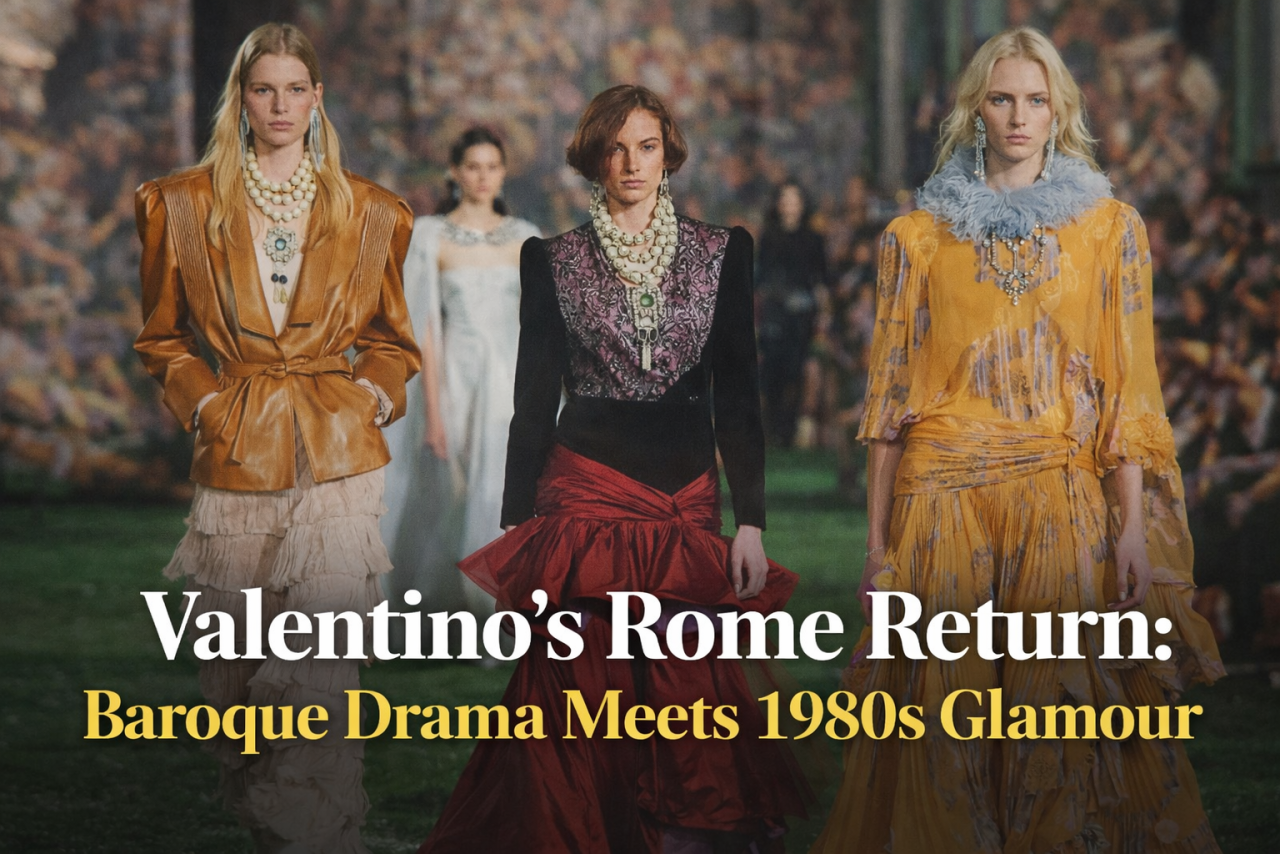
Meanwhile, Valentino has planned a beauty-focused celebration in the United States.
In London, prestigious department store Harrods is preparing to illuminate its historic Knightsbridge premises to commemorate the festival.
These international celebrations reflect the growing economic and cultural influence of the Indian diaspora.
They also demonstrate how Diwali is becoming an important occasion for luxury marketing beyond India's borders.
Bvlgari Blends Indian Art With Global Luxury
One of the most distinctive examples of cultural collaboration comes from Bvlgari.
The Italian luxury house unveiled its first global Diwali campaign featuring a terracotta installation created by Indian artist Doyel Joshi.
Displayed at the Jaipur Centre for Art, the installation brings together traditional Indian craftsmanship and contemporary luxury branding.
The collaboration highlights a broader shift in luxury marketing. International brands are increasingly looking beyond conventional celebrity endorsements to engage with India's artistic heritage.
By incorporating indigenous materials, traditional craftsmanship, and contemporary artistic expression, these campaigns seek to establish stronger cultural connections with Indian audiences.
They also provide opportunities for Indian artists and creative professionals to gain international visibility.
India's Luxury Consumers Are Redefining Global Retail
India's expanding luxury market is being shaped by a new generation of affluent consumers.
These buyers are internationally exposed, digitally informed, and increasingly selective about the brands they support.
For them, luxury is not simply about owning expensive products. It also represents personal identity, craftsmanship, exclusivity, and memorable experiences.
Industry observers suggest that emotional connections play an important role in purchasing decisions, particularly during festivals and family celebrations.
This presents both an opportunity and a challenge for international luxury houses.
Brands must balance their global identities with an understanding of Indian cultural expectations.
A festive campaign that genuinely reflects local traditions can strengthen consumer relationships. However, superficial cultural references may struggle to resonate with discerning buyers.
As competition intensifies, brands that combine authenticity, innovation, and personalised experiences may be better positioned to attract India's affluent consumers.
Diwali Becomes a Major Event on the Global Luxury Calendar
The increasing prominence of Diwali in international luxury marketing reflects a broader transformation in India's economic and cultural influence.
From Delhi and Mumbai to London and New York, the festival is becoming an occasion for exclusive product launches, artistic collaborations, and high-profile celebrations.
The trend also illustrates how global luxury brands are adapting to changing consumer demographics.
India's affluent population is expanding, while Indian consumers living overseas continue to influence premium retail markets.
For international fashion houses, engaging with these consumers requires more than opening stores or introducing expensive collections.
It demands an understanding of the cultural values that shape purchasing decisions.
When Tradition Meets Luxury
Diwali's emergence as a major luxury retail occasion represents more than a seasonal marketing opportunity.
It reflects India's growing influence on international consumer culture and the willingness of global brands to adapt their strategies to local traditions.
The Festival of Lights has always celebrated prosperity, togetherness, and renewal. Luxury houses are now drawing upon these associations to create products and experiences that appeal to affluent consumers.
Yet the festival's enduring significance lies in its cultural and emotional traditions, rather than its commercial potential.
As global brands compete for a greater share of India's expanding luxury market, their success may increasingly depend on how thoughtfully they engage with those traditions.
Diwali is no longer merely an occasion that global luxury brands acknowledge. It is becoming a celebration around which they actively shape their international retail strategies.












Leave a Comment