
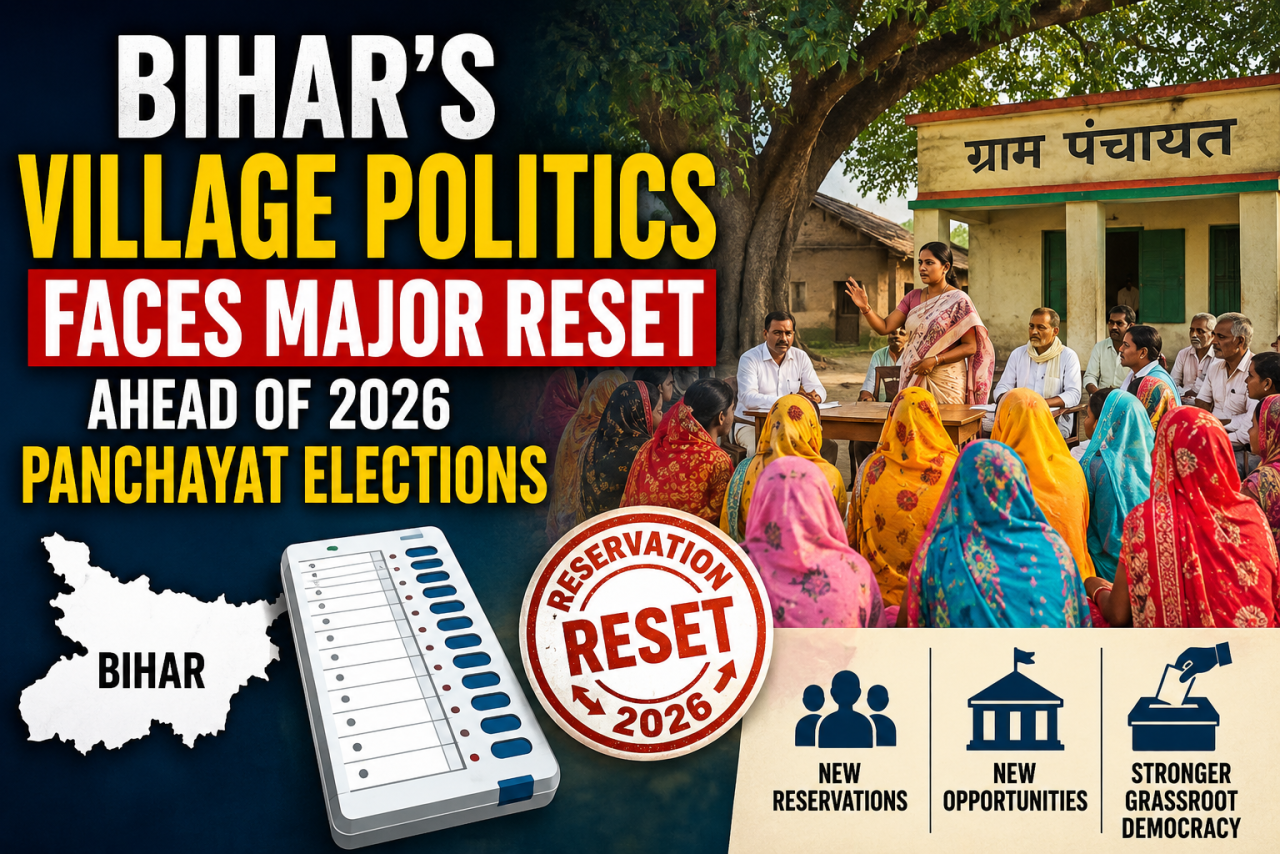
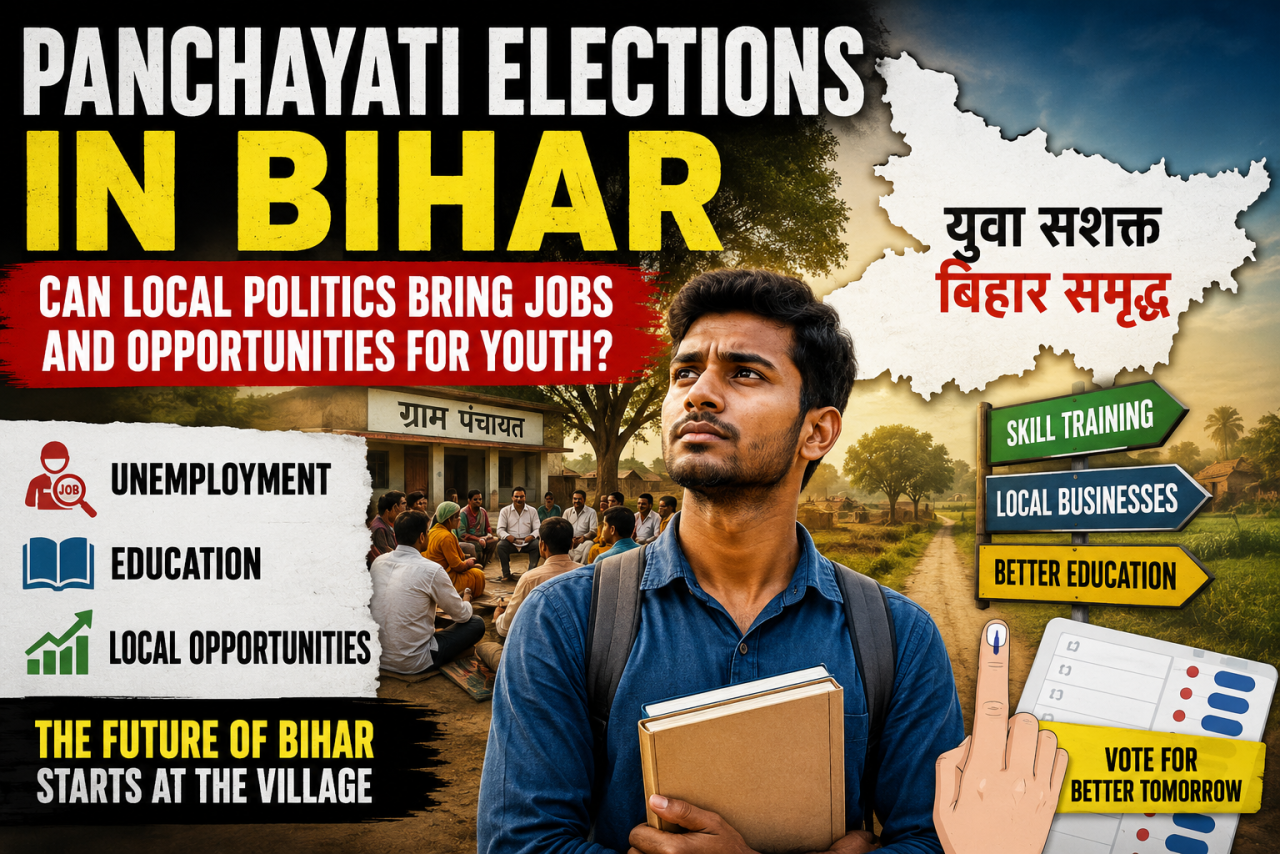
More than 55,000 wards, thousands of leadership positions, and a sweeping reservation overhaul are set to make Bihar's 2026 Panchayat Elections one of the state's most consequential grassroots contests.
With the five-year tenure of Bihar's current panchayat representatives nearing its conclusion, the state is steadily moving toward another major exercise in grassroots democracy. The upcoming Panchayat Elections 2026 are expected to reshape local political dynamics across thousands of villages, with sweeping changes in reservation patterns, ward boundaries, and electoral representation already beginning to take shape.
The three-tier Panchayati Raj system—comprising Gram Panchayats, Panchayat Samitis, and Zila Parishads—forms the backbone of rural governance in Bihar. As preparations gather pace, the Bihar State Election Commission (SEC) has entered a crucial phase of the electoral process, laying the groundwork for what could become one of the state's most significant local elections in recent years.
A major milestone was reached on June 15, 2026, when the SEC finalized and published the Form-1 (Prarup-1) lists. These documents contain detailed information on population figures, ward delimitations, and reservation allocations for various elected posts, based primarily on data from the 2011 Census. District administrations have since begun publishing the final records in their official gazettes, while copies are being submitted to the State Election Commission for consolidation and review.
Form-1 serves as the foundation of the entire election process. It determines the number of seats in each local body and specifies which positions will be reserved for Scheduled Castes (SC), Scheduled Tribes (ST), Extremely Backward Classes (EBC), Other Backward Classes (OBC), women, and other eligible categories. As a result, its publication has attracted intense attention from aspiring candidates, political workers, and local communities across the state.
Reservation Rotation Set to Reshape Rural Politics
The most consequential aspect of the upcoming elections is the large-scale rotation of reservations across Bihar's panchayats. After nearly a decade, reservation categories are expected to change significantly in more than 4,000 panchayats and over 55,000 wards.
This rotation will inevitably alter political calculations at the village level. Seats that were previously reserved for one category may now become general seats, while others could shift to different reserved classifications. Such changes are expected to create opportunities for new candidates while simultaneously challenging established local leaders who may find themselves ineligible to contest from their traditional constituencies.
Positions such as Mukhiya, Panchayat Samiti Member, and Zila Parishad Representative are likely to witness particularly intense competition. Political observers believe the revised reservation matrix could trigger new social alliances and electoral strategies, as communities reassess their representation prospects under the updated framework.
The changing reservation landscape has already generated considerable discussion in rural Bihar. Potential candidates are carefully studying the new allocations, while political groups are recalibrating their local strategies in anticipation of formal election notifications.
Transparency Through Public Participation
To ensure transparency and public accountability, district administrations have made both draft and final Form-1 documents available for public scrutiny. Residents were given an opportunity to review ward boundaries and reservation allocations and submit claims or objections before the final lists were published.
Districts including Kaimur, Saran, and several others have placed these documents in the public domain, enabling citizens to participate directly in the process. This consultative approach has helped address concerns regarding delimitation and representation while strengthening confidence in the electoral framework.
The emphasis on public review reflects a broader effort to ensure that the electoral process remains inclusive, transparent, and legally robust before the formal announcement of polls.
Preparations Enter High Gear
Although the State Election Commission has not yet announced official polling dates, widespread expectations suggest that elections may be conducted during October and November 2026. Given the scale of the exercise, polling is likely to be held in multiple phases, with some estimates indicating as many as nine phases across the state.
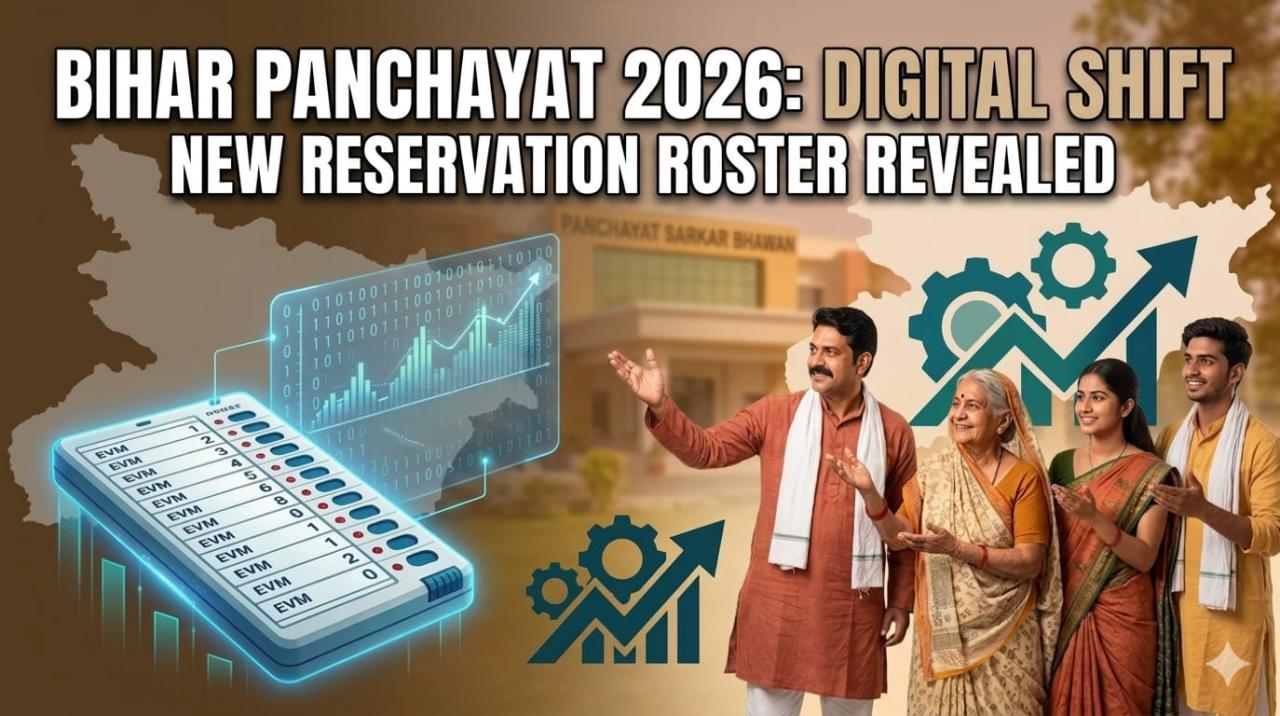
Administrative preparations are already underway. Election officials have been participating in specialized training programs focused on the operation of S3 model Electronic Voting Machines (EVMs), which are designed to handle multiple contests simultaneously. Such training is considered essential given the complexity of Panchayat elections, where voters often elect representatives for several posts on the same day.
A comprehensive gazette notification outlining the final electoral framework is expected shortly. Once issued, it will pave the way for the formal election schedule, nomination process, and campaign period.
Simultaneously, voter list revisions and logistical planning continue across districts. The Election Commission's emphasis on technological preparedness and procedural transparency reflects the importance of ensuring smooth and credible elections in a state with more than 8,000 panchayats.
More Than a Local Election
While Panchayat elections are officially non-party contests, their political significance extends far beyond village boundaries. The results often provide an early indication of public sentiment and organizational strength ahead of future Assembly and Parliamentary elections.
Both the ruling NDA and the opposition Mahagathbandhan are expected to closely monitor developments as the reservation picture becomes clearer. Local leaders and political workers have already begun informal outreach efforts in many districts, anticipating a highly competitive electoral environment.
At the same time, voters are likely to focus on issues that directly affect their daily lives. Infrastructure development, road connectivity, sanitation, drinking water, education, healthcare access, and women's participation in governance are expected to dominate campaign discussions.
The continued reservation of a substantial proportion of seats for women remains one of the most transformative features of Bihar's Panchayati Raj system. Over the years, it has significantly increased female participation in local governance and is expected to remain a defining factor in the 2026 elections.
A Defining Moment for Grassroots Democracy
As Bihar moves closer to the next Panchayat elections, the state's rural political machinery is entering a decisive phase. The finalization of Form-1 has provided the first clear glimpse of how representation will be structured, while the anticipated reservation rotation promises to reshape electoral competition across thousands of villages.
For candidates, the coming months will determine political opportunities. For voters, they will offer a chance to influence leadership at the level of government closest to everyday life. And for Bihar's democracy, the elections represent another important test of participation, representation, and accountability.
The 2026 Panchayat Elections are therefore about more than selecting local representatives. They are poised to redefine power equations, create new leadership pathways, and influence the direction of rural governance across Bihar for the next five years.
With the five-year tenure of Bihar's current panchayat representatives nearing its conclusion, the state is steadily moving toward another major exercise in grassroots democracy. The upcoming Panchayat Elections 2026 are expected to reshape local political dynamics across thousands of villages, with sweeping changes in reservation patterns, ward boundaries, and electoral representation already beginning to take shape.
The three-tier Panchayati Raj system—comprising Gram Panchayats, Panchayat Samitis, and Zila Parishads—forms the backbone of rural governance in Bihar. As preparations gather pace, the Bihar State Election Commission (SEC) has entered a crucial phase of the electoral process, laying the groundwork for what could become one of the state's most significant local elections in recent years.
A major milestone was reached on June 15, 2026, when the SEC finalized and published the Form-1 (Prarup-1) lists. These documents contain detailed information on population figures, ward delimitations, and reservation allocations for various elected posts, based primarily on data from the 2011 Census. District administrations have since begun publishing the final records in their official gazettes, while copies are being submitted to the State Election Commission for consolidation and review.
Form-1 serves as the foundation of the entire election process. It determines the number of seats in each local body and specifies which positions will be reserved for Scheduled Castes (SC), Scheduled Tribes (ST), Extremely Backward Classes (EBC), Other Backward Classes (OBC), women, and other eligible categories. As a result, its publication has attracted intense attention from aspiring candidates, political workers, and local communities across the state.
Reservation Rotation Set to Reshape Rural Politics
The most consequential aspect of the upcoming elections is the large-scale rotation of reservations across Bihar's panchayats. After nearly a decade, reservation categories are expected to change significantly in more than 4,000 panchayats and over 55,000 wards.
This rotation will inevitably alter political calculations at the village level. Seats that were previously reserved for one category may now become general seats, while others could shift to different reserved classifications. Such changes are expected to create opportunities for new candidates while simultaneously challenging established local leaders who may find themselves ineligible to contest from their traditional constituencies.
Positions such as Mukhiya, Panchayat Samiti Member, and Zila Parishad Representative are likely to witness particularly intense competition. Political observers believe the revised reservation matrix could trigger new social alliances and electoral strategies, as communities reassess their representation prospects under the updated framework.
The changing reservation landscape has already generated considerable discussion in rural Bihar. Potential candidates are carefully studying the new allocations, while political groups are recalibrating their local strategies in anticipation of formal election notifications.
Transparency Through Public Participation
To ensure transparency and public accountability, district administrations have made both draft and final Form-1 documents available for public scrutiny. Residents were given an opportunity to review ward boundaries and reservation allocations and submit claims or objections before the final lists were published.
Districts including Kaimur, Saran, and several others have placed these documents in the public domain, enabling citizens to participate directly in the process. This consultative approach has helped address concerns regarding delimitation and representation while strengthening confidence in the electoral framework.
The emphasis on public review reflects a broader effort to ensure that the electoral process remains inclusive, transparent, and legally robust before the formal announcement of polls.
Preparations Enter High Gear
Although the State Election Commission has not yet announced official polling dates, widespread expectations suggest that elections may be conducted during October and November 2026. Given the scale of the exercise, polling is likely to be held in multiple phases, with some estimates indicating as many as nine phases across the state.
Administrative preparations are already underway. Election officials have been participating in specialized training programs focused on the operation of S3 model Electronic Voting Machines (EVMs), which are designed to handle multiple contests simultaneously. Such training is considered essential given the complexity of Panchayat elections, where voters often elect representatives for several posts on the same day.
A comprehensive gazette notification outlining the final electoral framework is expected shortly. Once issued, it will pave the way for the formal election schedule, nomination process, and campaign period.
Simultaneously, voter list revisions and logistical planning continue across districts. The Election Commission's emphasis on technological preparedness and procedural transparency reflects the importance of ensuring smooth and credible elections in a state with more than 8,000 panchayats.
More Than a Local Election
While Panchayat elections are officially non-party contests, their political significance extends far beyond village boundaries. The results often provide an early indication of public sentiment and organizational strength ahead of future Assembly and Parliamentary elections.
Both the ruling NDA and the opposition Mahagathbandhan are expected to closely monitor developments as the reservation picture becomes clearer. Local leaders and political workers have already begun informal outreach efforts in many districts, anticipating a highly competitive electoral environment.
At the same time, voters are likely to focus on issues that directly affect their daily lives. Infrastructure development, road connectivity, sanitation, drinking water, education, healthcare access, and women's participation in governance are expected to dominate campaign discussions.
The continued reservation of a substantial proportion of seats for women remains one of the most transformative features of Bihar's Panchayati Raj system. Over the years, it has significantly increased female participation in local governance and is expected to remain a defining factor in the 2026 elections.
A Defining Moment for Grassroots Democracy
As Bihar moves closer to the next Panchayat elections, the state's rural political machinery is entering a decisive phase. The finalization of Form-1 has provided the first clear glimpse of how representation will be structured, while the anticipated reservation rotation promises to reshape electoral competition across thousands of villages.
For candidates, the coming months will determine political opportunities. For voters, they will offer a chance to influence leadership at the level of government closest to everyday life. And for Bihar's democracy, the elections represent another important test of participation, representation, and accountability.
The 2026 Panchayat Elections are therefore about more than selecting local representatives. They are poised to redefine power equations, create new leadership pathways, and influence the direction of rural governance across Bihar for the next five years.



















Leave a Comment