
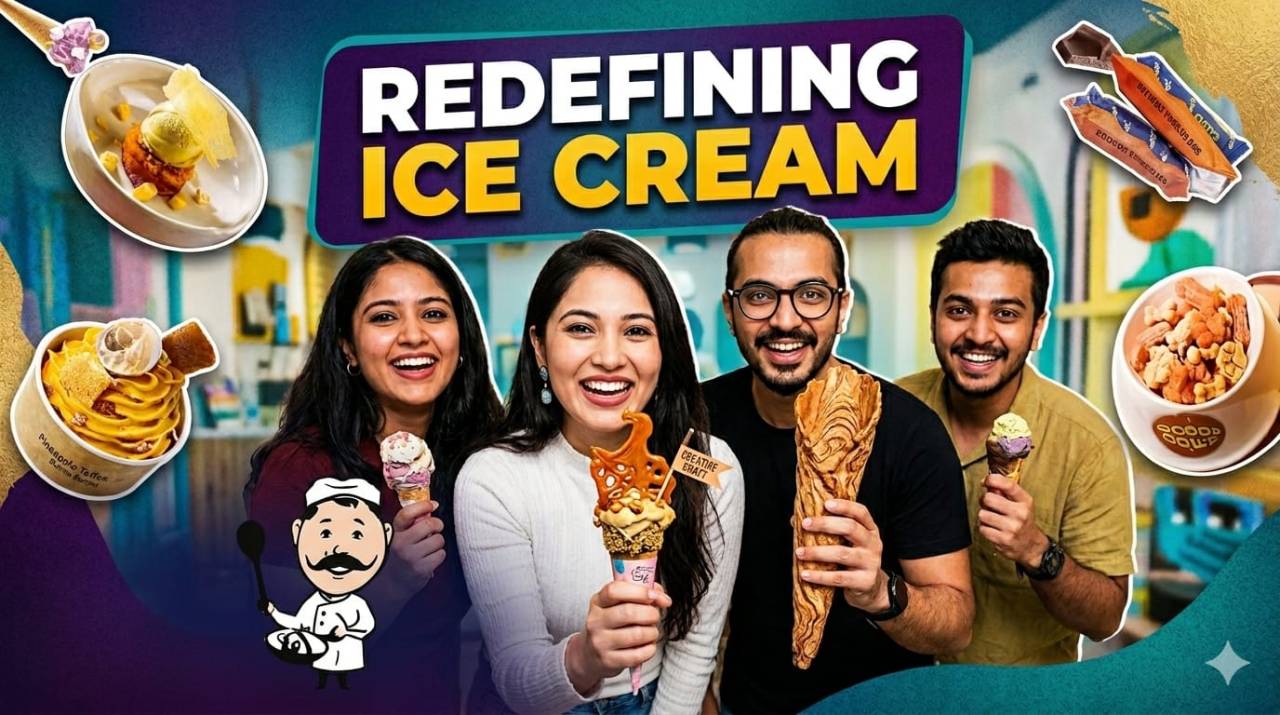
From street-side cones to gourmet creations, ice cream is undergoing a transformation. Discover how artisanal brands, bold flavors, and creative presentation are reshaping the global dessert industry.
For generations, the sound of an ice cream truck or the sight of a simple vanilla cone signaled uncomplicated joy—a fleeting indulgence tied to summer afternoons and childhood nostalgia. Today, that image is rapidly evolving. Step into a modern creamery, and it becomes clear that ice cream is no longer just a comfort food. It has entered a new economic and cultural space—one defined by craftsmanship, experimentation, and experience.
What was once a mass-produced treat is now being reimagined as a premium product, a storytelling medium, and even a form of culinary art.
A Shift Driven by Curiosity
At the heart of this transformation lies a growing appetite for discovery. Consumers are no longer satisfied with predictable flavors; they are seeking novelty, narrative, and personalization. This shift has given rise to brands that treat ice cream as an evolving concept rather than a fixed category.
Global players like Soft Serve Society have built their identity around surprise—offering flavors such as popcorn or toasted marshmallow that evoke sensory memories rather than just taste. The idea is not merely to serve dessert, but to create an experience that resonates.
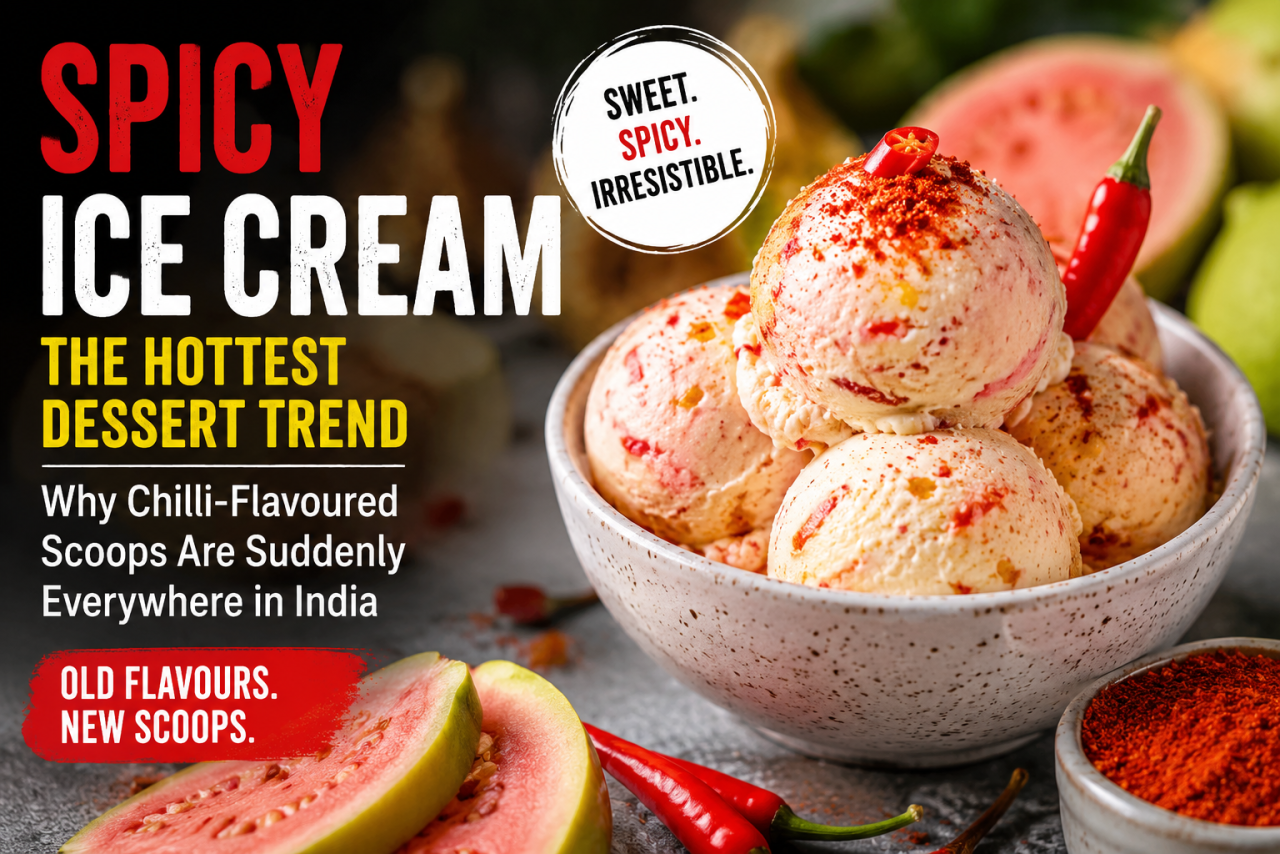
In India, this movement is taking on a distinctly local character. Artisanal creameries are increasingly turning to regional ingredients and culinary traditions. Flavors like filter coffee, jaggery, spiced guava, and seasonal fruits are replacing generic imports, reflecting a broader trend of reclaiming cultural identity through food.
The Rise of the Artisanal Economy
Parallel to this creative shift is the emergence of a small-batch, quality-driven business model. Unlike industrial ice cream, which prioritizes scale and shelf life, artisanal producers emphasize texture, freshness, and ingredient integrity.
Restaurants such as Burma Burma exemplify this approach by elevating ice cream into a plated dessert experience. Offerings like pineapple toffee or honey with brown butter are carefully composed, balancing sweetness with complexity. In this context, ice cream is no longer an afterthought—it is the centerpiece.
This evolution reflects a broader consumer willingness to pay for craftsmanship. Ice cream, once inexpensive and ubiquitous, is now part of a growing premium dessert economy.
Breaking the Flavor Barrier
Perhaps the most visible sign of change is the expansion of the flavor palette. The traditional boundary between sweet and savory is dissolving, opening the door to bold and unconventional combinations.
Savory infusions—such as olive oil, sea salt, and balsamic vinegar—are becoming increasingly common. Smoky undertones, achieved through infusion techniques, add depth previously unseen in frozen desserts. Meanwhile, global influences are introducing ingredients like miso, black sesame, and durian, reflecting a more adventurous and interconnected palate.
In Mumbai, Bombay Sweet Shop captures this intersection of nostalgia and innovation by reimagining traditional Indian sweets as contemporary frozen treats. The result is a hybrid experience that bridges generations while appealing to modern sensibilities.
Experience as the Product
Beyond flavor, presentation has become central to the ice cream economy. Today’s consumers are not just buying a scoop—they are buying a moment worth sharing.
Theatrical elements such as liquid nitrogen preparation, which creates dramatic clouds of vapor, transform the act of making ice cream into a spectacle. Alternative formats—croissant cones, brioche buns, and elaborate toppings—further enhance the visual and tactile experience.
This shift aligns with the broader influence of social media, where aesthetics often drive consumption. Ice cream, once ephemeral, is now designed to be photographed, shared, and remembered.
The Bottom Line
Ice cream’s transformation reflects deeper changes in how people consume food. It is no longer defined solely by taste or convenience, but by narrative, craftsmanship, and cultural relevance.
Whether it is a no-added-sugar scoop from LICK or a chef-driven creation that blends global techniques with local ingredients, the message is clear: ice cream has become a serious culinary category.
What was once a simple street-side pleasure is now a dynamic, evolving industry—one that mirrors the aspirations and creativity of a new generation of consumers.
The next time you reach for a scoop, the choice is no longer just between chocolate and vanilla. It is between the familiar and the experimental, the ordinary and the expressive.
And increasingly, the future belongs to the latter.






















Leave a Comment