
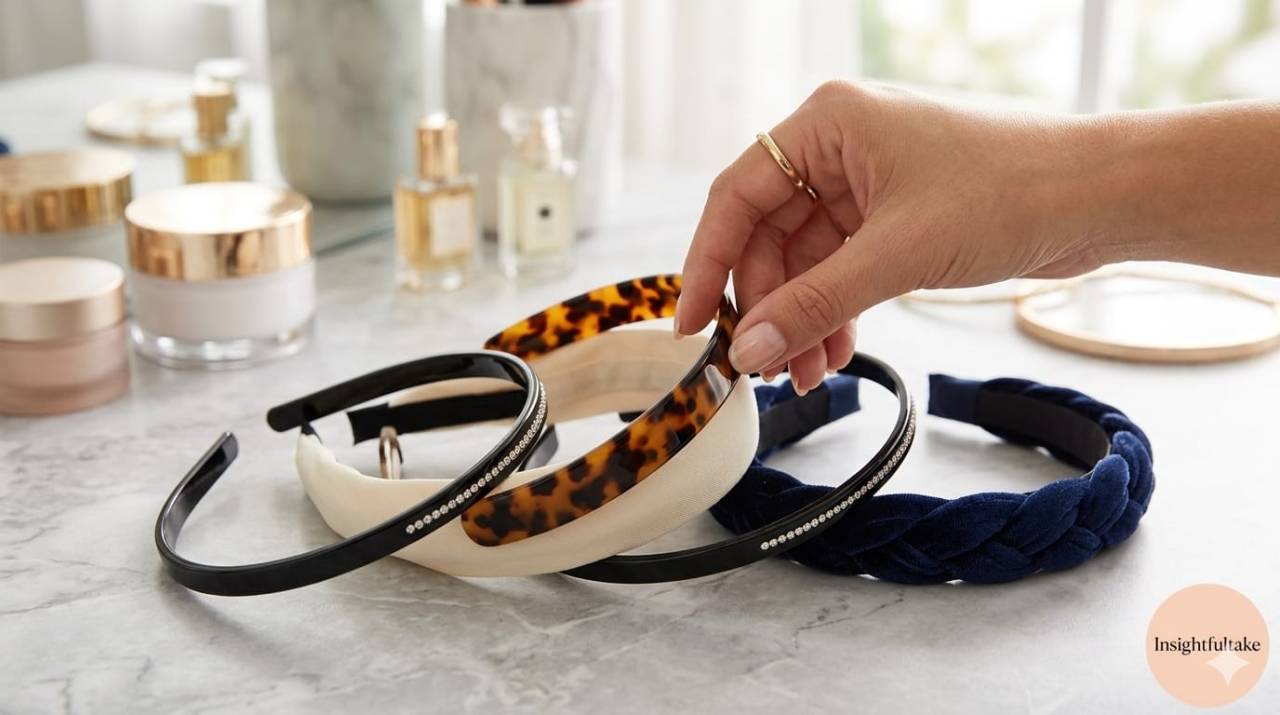
Not every trend demands attention—some quietly take over. The headband is doing exactly that in 2026.
Some trends don’t return with noise—they slip back in quietly, then suddenly feel unavoidable. The headband is one of them. Once confined to workout routines or school uniforms, it has reappeared in 2026 as a defining detail in everyday style—subtle, functional, and surprisingly powerful.
What makes this comeback different is intention. The modern headband isn’t about nostalgia alone; it’s about structure. It frames the face, sharpens a look, and adds a sense of completion that feels deliberate rather than decorative. In a fashion moment that values ease and clarity, that kind of impact matters.
The Return of Understated Elegance
The renewed interest in headbands draws heavily from the timeless influence of Carolyn Bessette-Kennedy. Her aesthetic—clean, restrained, and quietly confident—has become a blueprint for today’s “less but better” approach to dressing. The tortoiseshell headband she often wore has found its way back into relevance, not as a trend piece, but as a staple.
Modern interpretations, seen on figures like Bella Hadid, lean into that same philosophy. Slicked-back hair paired with a simple band creates a sharp, composed look that doesn’t try too hard. It’s styling that feels resolved, not overworked.
Runway Signals: When Simplicity Stands Out
The shift isn’t limited to street style. At the Miu Miu Fall/Winter 2026 presentation, Miuccia Prada revisited the comb headband—an accessory many had long forgotten.
Instead of treating it as a throwback, the runway gave it a fresh identity. The structured teeth created texture and movement, turning a basic hair tool into something visually striking. It was a reminder that reinvention often comes from rethinking the familiar, not replacing it.
How It’s Being Worn Now
The strength of the headband trend lies in how easily it adapts across styles.
For a bold, coordinated look, Khushi Kapoor uses a simple white fabric band to balance bright, monochrome outfits. It acts as a pause point—something that grounds the color without dulling it.
In contrast, Alanna Panday approaches it through softness. Neutral tones, wide bands, and relaxed silhouettes create a look that feels polished without being formal.
Then there’s Bella Hadid’s sharper take—thin, dark bands paired with leather and structured pieces. It shifts the headband away from anything overly feminine and gives it a more assertive edge.
Finding What Works for You
Part of the appeal is how personal the styling can be.
- Wide fabric bands soften angular features and work well for a relaxed, everyday look.
- Structured or tortoiseshell bands add height and definition, especially for rounder face shapes.
- Slim or comb-style bands bring texture and hold, ideal for sleeker hairstyles.
The difference is subtle, but it’s enough to change how an entire outfit reads.
Why It Fits Right Now
The headband’s resurgence isn’t just aesthetic—it reflects a broader shift in how people approach fashion. There’s less appetite for complicated styling and more interest in pieces that do the work quickly and well.
A headband answers that need. It manages hair, sharpens presentation, and adds character in seconds. On rushed mornings or unplanned days, it offers an easy way to look considered without investing time.
The Takeaway
What makes the headband relevant in 2026 is not just its return, but its redefinition. It has moved from being a supporting accessory to a finishing touch—something that quietly completes a look.
As designers experiment with materials like velvet, silk, and metal, the options will only expand. But the core idea remains unchanged: style doesn’t always come from adding more. Sometimes, it comes from choosing one detail and getting it exactly right.



















Leave a Comment