
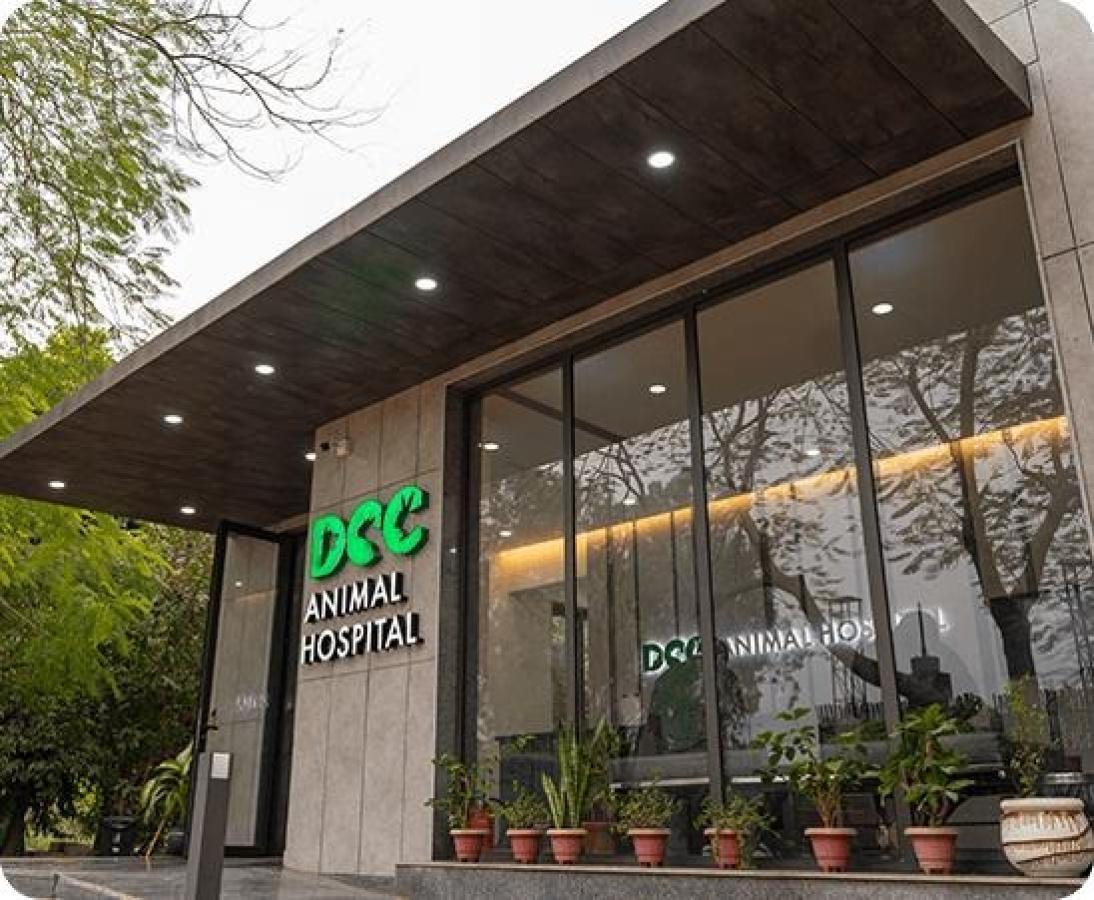
New Delhi gets a modern veterinary hospital with free treatment, operation theatres, diagnostic facilities, and plans for a future multispeciality animal care centre. A significant step for animal welfare in the capital.
The New Delhi Municipal Council (NDMC) has completed a modern veterinary hospital at Moti Bagh in New Delhi, marking a significant step in strengthening the city’s animal healthcare infrastructure. The facility has been designed to provide free treatment to both stray and pet animals and is expected to handle around 150 to 200 animals every day.
The project, which began in 2022, has been developed with modern medical infrastructure, including operation theatres, diagnostic facilities, consultation rooms, recovery wards, and audio-visual conferencing spaces for doctors and medical staff. NDMC officials say the hospital has been built to ensure systematic and efficient treatment for a wide range of animal health conditions.
According to government estimates, New Delhi has a stray dog population of nearly 80,000. The need for dedicated veterinary infrastructure became particularly evident during the Delhi floods of 2023, when several animals lost their lives and many injured pets and stray animals required urgent medical attention. The new hospital is expected to improve the city’s preparedness for such emergencies.
Built for Modern and Sustainable Care
The hospital has been constructed on an earthquake-resistant structural frame and incorporates several sustainability features. These include:
- Solar panels on the rooftop
- A firefighting system
- A sewage treatment plant (STP)
- Rainwater harvesting infrastructure
The total built-up area is about 420 square metres, and the layout has been planned to separate consultation, treatment, surgery, recovery, and administrative functions for smoother operations.
Facilities Floor by Floor
Ground Floor
- OPD and consultation rooms
- Facilities for cattle and other animals
- A monkey pond
- Parking space
First Floor
- X-ray room
- Dark room
- Operation theatres
- Recovery room
- Treatment and consultation rooms
Second Floor
- Administrative offices
- Meeting rooms
- Coordination and conference facilities
- Audio-visual rooms for doctors and medical superintendents
The design reflects an effort to bring public veterinary services closer to the standards of modern healthcare institutions.
Future Expansion Planned
NDMC has also proposed a multispeciality veterinary hospital on the same site to handle accident cases, surgeries, and other severe or complex animal health conditions. If implemented, the expansion could create one of the more comprehensive public veterinary care facilities in the national capital.
India’s healthcare infrastructure often faces significant pressure due to the size of its population, and animal healthcare receives comparatively less attention. In that context, the Moti Bagh veterinary hospital represents an important investment in animal welfare, public health, and compassionate urban governance.
The initiative is likely to benefit thousands of stray animals, pet owners, and animal welfare workers across New Delhi, while also encouraging a more humane and sustainable approach to city management.
The New Delhi Municipal Council (NDMC) has completed a modern veterinary hospital at Moti Bagh in New Delhi, marking a significant step in strengthening the city’s animal healthcare infrastructure. The facility has been designed to provide free treatment to both stray and pet animals and is expected to handle around 150 to 200 animals every day.
The project, which began in 2022, has been developed with modern medical infrastructure, including operation theatres, diagnostic facilities, consultation rooms, recovery wards, and audio-visual conferencing spaces for doctors and medical staff. NDMC officials say the hospital has been built to ensure systematic and efficient treatment for a wide range of animal health conditions.
According to government estimates, New Delhi has a stray dog population of nearly 80,000. The need for dedicated veterinary infrastructure became particularly evident during the Delhi floods of 2023, when several animals lost their lives and many injured pets and stray animals required urgent medical attention. The new hospital is expected to improve the city’s preparedness for such emergencies.
Built for Modern and Sustainable Care
The hospital has been constructed on an earthquake-resistant structural frame and incorporates several sustainability features. These include:
- Solar panels on the rooftop
- A firefighting system
- A sewage treatment plant (STP)
- Rainwater harvesting infrastructure
The total built-up area is about 420 square metres, and the layout has been planned to separate consultation, treatment, surgery, recovery, and administrative functions for smoother operations.
Facilities Floor by Floor
Ground Floor
- OPD and consultation rooms
- Facilities for cattle and other animals
- A monkey pond
- Parking space
First Floor
- X-ray room
- Dark room
- Operation theatres
- Recovery room
- Treatment and consultation rooms
Second Floor
- Administrative offices
- Meeting rooms
- Coordination and conference facilities
- Audio-visual rooms for doctors and medical superintendents
The design reflects an effort to bring public veterinary services closer to the standards of modern healthcare institutions.
Future Expansion Planned
NDMC has also proposed a multispeciality veterinary hospital on the same site to handle accident cases, surgeries, and other severe or complex animal health conditions. If implemented, the expansion could create one of the more comprehensive public veterinary care facilities in the national capital.
India’s healthcare infrastructure often faces significant pressure due to the size of its population, and animal healthcare receives comparatively less attention. In that context, the Moti Bagh veterinary hospital represents an important investment in animal welfare, public health, and compassionate urban governance.
The initiative is likely to benefit thousands of stray animals, pet owners, and animal welfare workers across New Delhi, while also encouraging a more humane and sustainable approach to city management.





.jpeg)





















Leave a Comment