
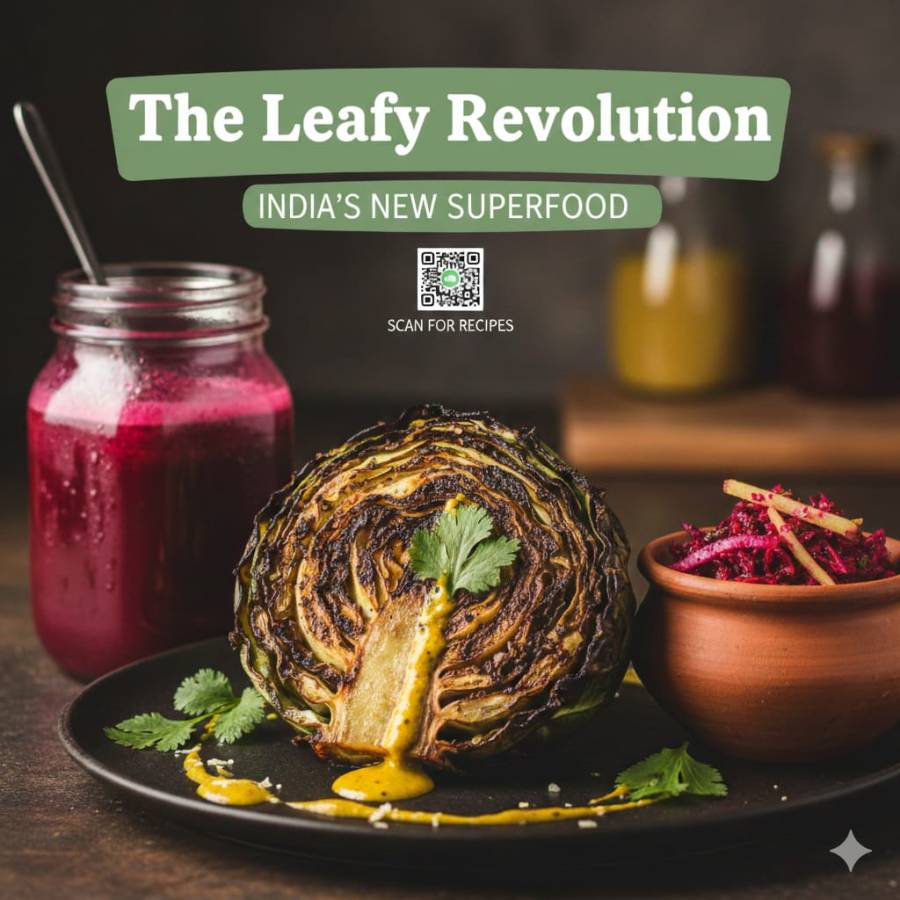
Once ignored in Indian kitchens, cabbage is quietly becoming one of the smartest foods to eat in 2026
Cabbage was never meant to be exciting. It showed up quietly—shredded into chowmein, cooked into everyday sabzi, or tucked into a tiffin without much thought. It was useful, affordable, and filling, but rarely admired. In 2026, that quiet presence has changed. Cabbage is now being talked about, photographed, fermented, charred, and juiced. What once felt ordinary is being rediscovered as a practical superfood, suited perfectly to Indian kitchens and budgets.
Part of this renewed attention comes from global food trends. Pinterest’s 2026 Food Forecast named cabbage the vegetable of the year, and the idea quickly travelled across borders. In India, the trend did not arrive as a novelty but blended easily with existing food habits. Indians already eat cabbage regularly. What has changed is the way it is being understood and used.
Online searches tell the story. Terms like “cabbage crush” and “red cabbage benefits” have surged on Google Trends, especially in cities. Health influencers, home cooks, and chefs are all contributing to the shift. Unlike imported food fads such as kale or avocado, cabbage fits naturally into Indian life. It is cheap, widely available, and grows well in different climates. This accessibility is the reason its popularity feels lasting rather than fashionable.
Nutrition experts point out that cabbage offers strong health benefits without demanding big changes in diet. It is low in calories but high in volume, which helps people feel full for longer. This makes it useful for weight management and for maintaining stable blood sugar levels. Cabbage is also rich in fibre, which supports digestion and gut health—an area of growing concern among urban Indians.
Red cabbage, in particular, has gained attention for its colour and nutrient profile. Its deep purple shade comes from anthocyanins, antioxidants linked to reduced inflammation and better heart health. Both green and red cabbage contain vitamin C, which supports immunity, and vitamin K, which plays a role in bone strength and blood clotting. These benefits are not new discoveries, but they are now being communicated in clearer and simpler ways.
How cabbage is cooked has also changed. Earlier, it was often overcooked, losing both texture and nutrients. Today, nutritionists and chefs recommend methods that preserve its structure. Light sautéing, roasting, or charring allows cabbage to remain crisp while becoming easier to digest. According to nutritionist Sukh Sabia, these methods help retain key micronutrients and reduce the bloated feeling some people associate with cabbage.
The culinary world has embraced this shift with enthusiasm. Fermentation is one major influence. Inspired by Korean kimchi, Indian home cooks are fermenting cabbage with local ingredients like Kashmiri chilli, ginger, and mustard seeds. These preparations add probiotics to the diet, supporting gut bacteria and digestion.
At the other end of the spectrum, fine-dining restaurants are experimenting with cabbage as a centrepiece. Thick slices of cabbage are roasted or grilled and served like “steaks,” paired with rich gravies or global sauces. The idea is simple: treat cabbage with the same respect usually reserved for more expensive vegetables.
Social media has played its role as well. Red cabbage juice, often blended with lemon or beetroot, has become popular as a “beauty drink.” While some claims are exaggerated, the drink does provide antioxidants and hydration, making it a healthier alternative to sugary beverages.
Still, cabbage carries certain concerns, especially in India. Many people worry about insects or chemical residue hidden between its leaves. Food safety experts advise simple steps: remove the outer leaves, cut the cabbage into pieces, and soak it in salted water or a mild vinegar solution for about 15 minutes. This process helps clean the vegetable thoroughly.
For those with sensitive digestion or conditions like IBS, raw cabbage can be difficult to handle. Food bloggers and health educators suggest starting with cooked forms before moving to raw salads. This allows the digestive system to adjust to the high fibre content gradually.
The rise of cabbage in 2026 is not about reinvention but recognition. It reflects a broader move toward eating local, seasonal, and affordable food. In a time when nutrition advice often feels expensive or complicated, cabbage offers a reminder that health can be simple.
By finding new ways to cook and understand this familiar vegetable, Indian kitchens are proving that superfoods do not have to come from far away. Sometimes, they have been sitting on the plate all along.























Leave a Comment