

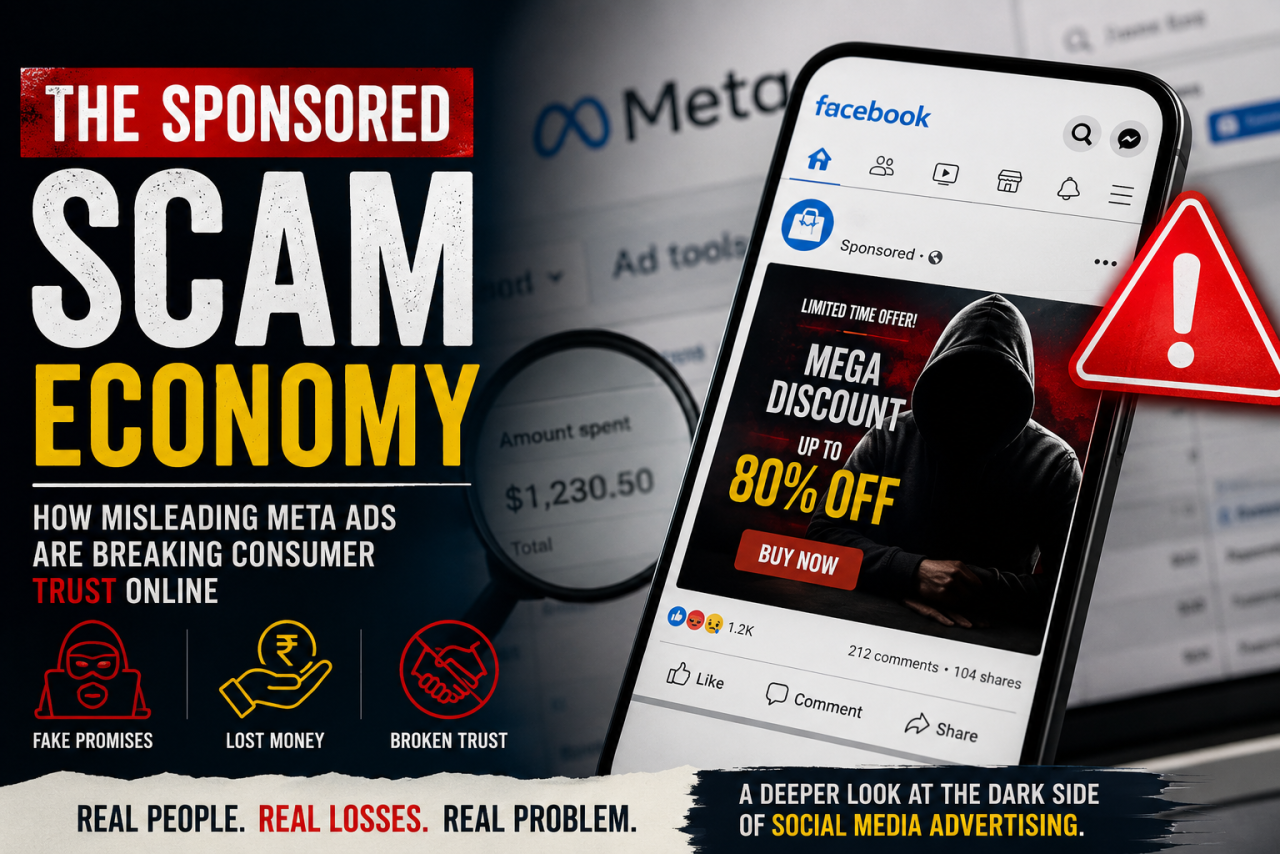
Meta, the parent company of Facebook, Instagram, and WhatsApp, has long presented itself as a leader in online safety and fraud prevention. But fresh revelations from internal company documents reviewed by Reuters suggest a far more troubling reality. For years, Meta allowed scam advertisements linked to China to flourish on its platforms, despite knowing the serious harm they were causing—because they generated massive profits.
This issue is not just about corporate oversight. It exposes a deeper conflict between profit and responsibility in the digital age, where billions of users depend on social media platforms for information, shopping, and communication.
How China Became a Key Revenue Source for Meta
China officially blocks Meta’s social media platforms for its own citizens. Facebook, Instagram, and WhatsApp are banned within the country. However, Chinese companies are still allowed to advertise on these platforms to target consumers outside China.
This loophole turned China into one of Meta’s most profitable advertising markets. By 2024, Meta’s ad revenue from China crossed $18 billion, accounting for more than 10% of its global revenue.
But internal estimates showed a disturbing truth: around 19% of that revenue—over $3 billion—came from scam ads, including illegal gambling, fake health products, and other banned content.
Victims Across the World
These scam advertisements were not limited to one region. Victims included shoppers in Taiwan who bought fake supplements, investors in the United States and Canada who lost their savings, and users across Asia and Europe who were misled by professional-looking ads.
Many of these ads appeared legitimate, often using false endorsements, doctored images, or misleading claims. Once users clicked, they were directed to fraudulent websites designed to steal money or personal data.
For ordinary users, the damage was financial, emotional, and often permanent.
Meta Was Aware — And Hesitated to Act
Internal Meta documents reveal that the company knew the scale of the problem. Employees warned leadership that China was the source of nearly one-quarter of all scam ads globally on Meta’s platforms.
Teams across departments—safety, engineering, finance, and lobbying—studied the issue in detail. They also identified solutions that could significantly reduce scams.
However, the documents show Meta hesitated to implement these fixes fully, fearing they would hurt its fast-growing China ad business.
A Brief Crackdown That Showed Results
In early 2024, Meta finally took action. It created a dedicated anti-fraud team focused on scam operations originating from China. Using stricter enforcement tools and closer monitoring, the team managed to cut scam-related ads significantly.
By the second half of 2024, problematic advertising revenue from China dropped from 19% to 9%. Internal tests showed the measures were effective and could be expanded further.
But the progress was short-lived.
Zuckerberg’s Decision Reverses Course
Later in 2024, Meta CEO Mark Zuckerberg intervened. According to internal notes, following a shift in the company’s “Integrity Strategy,” the China-focused anti-scam team was asked to pause its work.
Soon after, Meta disbanded the team entirely. Restrictions on approving new Chinese advertising agencies were lifted, and several proven anti-scam tools were shelved.
The documents suggest leadership was concerned that stronger enforcement could reduce advertising revenue and slow growth.
The Bigger Question: Profit vs Public Safety
This case raises serious questions about how big technology companies balance profit with responsibility. Meta’s platforms reach billions of people, giving the company unmatched influence—and obligation.
Critics argue Meta already has the tools to prevent much of this fraud but chooses selective enforcement when profits are at risk. Consumer advocates say this shows why stronger regulation of tech companies is urgently needed, especially as online scams grow more sophisticated.
Meta has publicly stated that it invests heavily in safety and fraud prevention. However, the internal documents reviewed by Reuters suggest that when profits were threatened, user protection took a back seat.
Why This Matters Now
Online scams are no longer isolated incidents. They are global, organized, and increasingly difficult to detect. When major platforms fail to act decisively, millions of users are exposed to harm.
The Meta-China advertising controversy is not just about one company. It is a warning about what happens when corporate growth is prioritised over ethical responsibility.
As digital platforms continue to shape everyday life, transparency, accountability, and user safety must come first—not last.


























Leave a Comment