
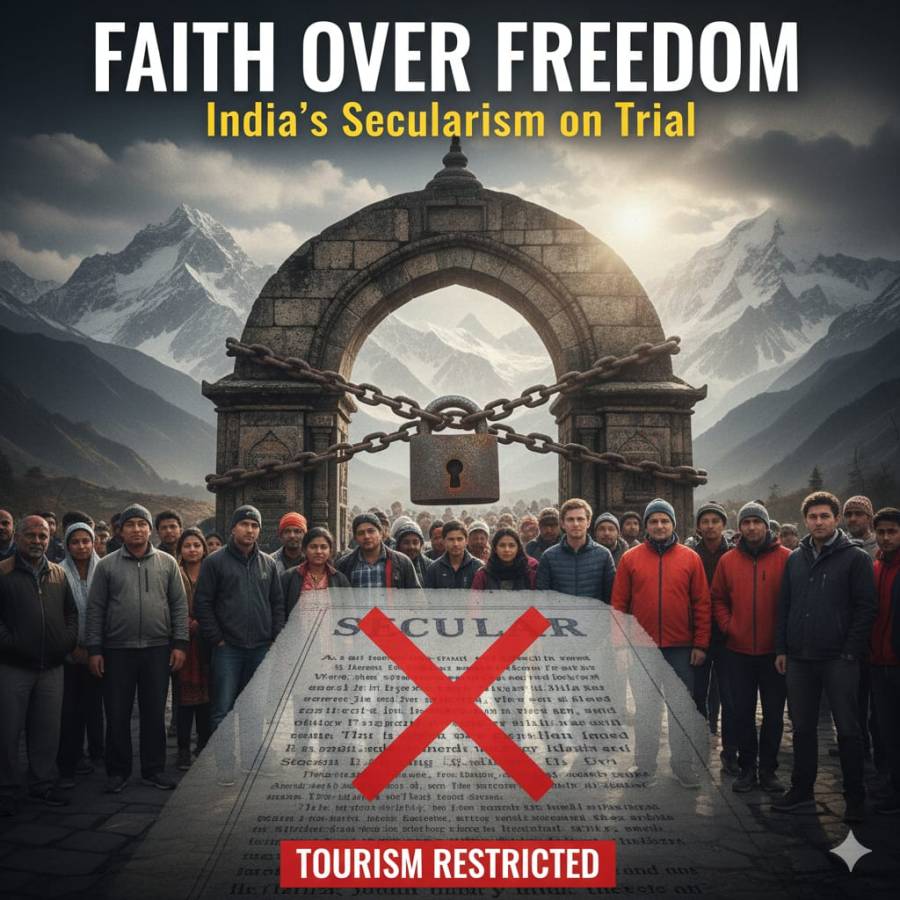
A proposal to restrict entry at Kedarnath and Badrinath has reopened a wider debate on constitutional secularism and the future of religious tourism in India.
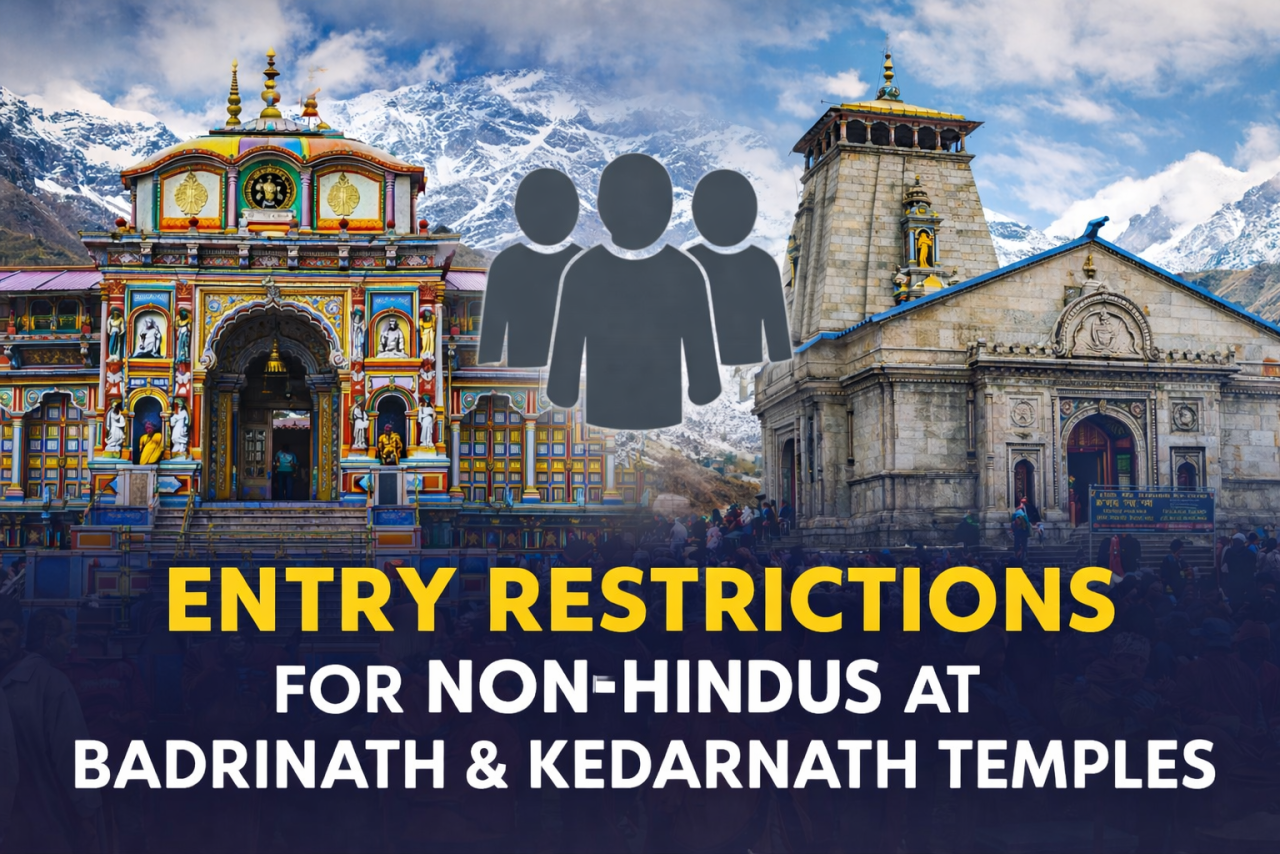
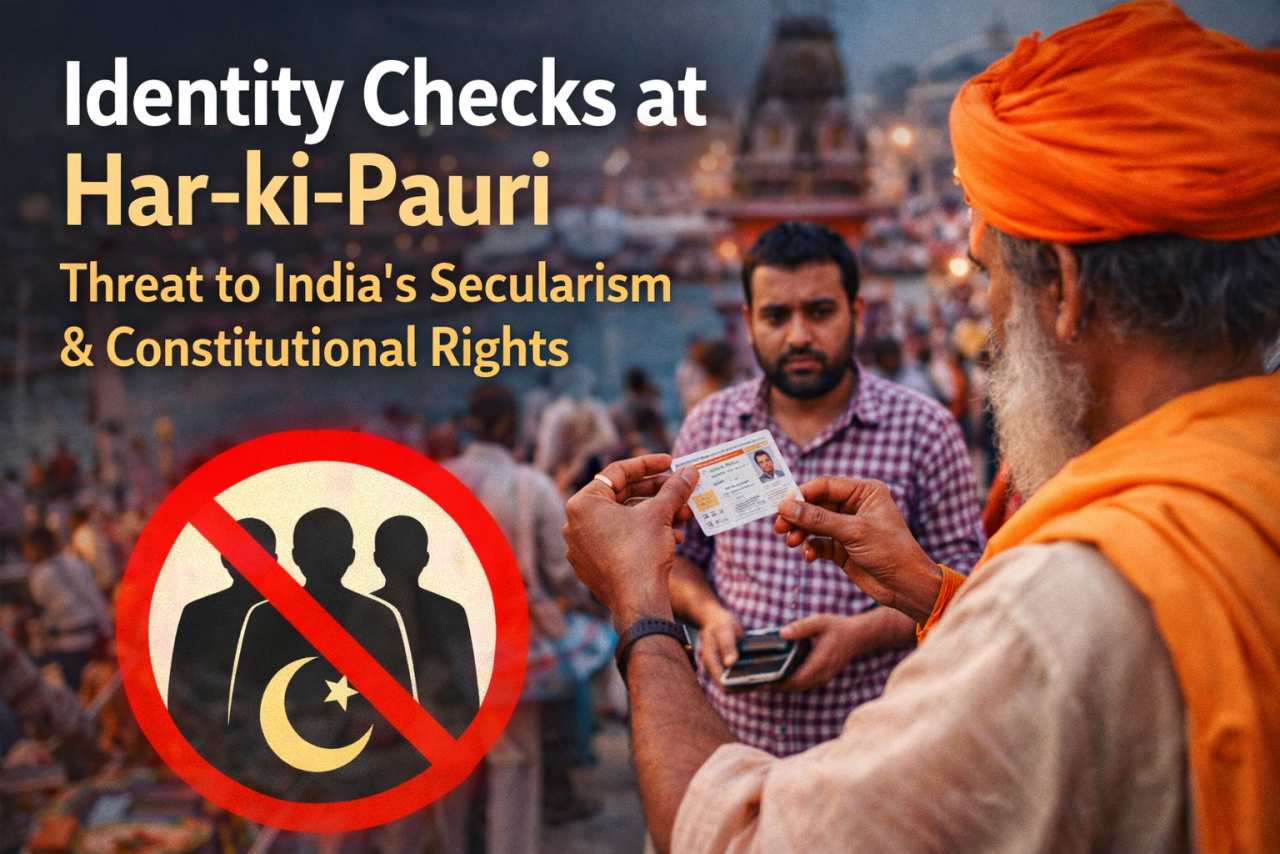
A recent report involving the Shri Badrinath–Kedarnath Temple Committee (BKTC) has sparked debate across political, legal, and social circles. The committee has proposed restricting the entry of “non-Hindus” into 47 major temples under its management, including the Kedarnath and Badrinath Dhams, two of India’s most prominent pilgrimage sites.
BKTC Chairman Hemant Dwivedi clarified that Sikhs, Jains, and Buddhists would be exempt from the proposed restriction, while Muslims and Christians would be barred. The committee has described the proposal as a measure to preserve the religious sanctity of the shrines. Critics, however, say the move raises serious questions about constitutional principles, social inclusion, and the future of religious tourism in India.
The Argument Behind the Proposed Restrictions
Chairman Dwivedi stated that entry to these temples has traditionally been limited to Hindus and said a formal restriction is now needed to prevent land encroachment and unauthorized construction around temple premises. According to the committee, Kedarnath and Badrinath are not tourist destinations but supreme spiritual centres where religious discipline must be maintained.
To justify the proposal, the committee has cited Article 25 of the Indian Constitution, which, for specific legal purposes, defines “Hindus” to include Sikhs, Jains, and Buddhists. The BKTC argues that this definition provides a legal basis for allowing access to these communities while excluding others.
Concerns Over Constitutional Secularism
India’s constitutional framework is grounded in secularism, requiring the state and state-linked bodies to maintain religious neutrality. As a body that manages public religious trusts, the BKTC operates within this constitutional environment.
Legal experts and social commentators argue that restricting entry based on religious identity amounts to institutional discrimination. They say such measures undermine the constitutional promise of equality and risk normalising exclusion in public spaces connected to national heritage.
Critics also argue that using Article 25 to justify selective access misinterprets the intent of the Constitution. The provision was designed to ensure religious freedom and support social reform, not to exclude specific communities from public religious sites.
Implications for Tourism and the Local Economy
The Char Dham circuit, which includes Kedarnath and Badrinath, is a major economic driver in Uttarakhand. Tourism associated with these shrines sustains thousands of livelihoods, including hotel operators, transport providers, shopkeepers, and local guides.
Faith-based entry restrictions could discourage domestic and international visitors who visit these sites for cultural, historical, or architectural reasons rather than religious worship. Any decline in footfall could have lasting economic consequences for the region.
There are also concerns about India’s global image. Kedarnath and Badrinath are widely viewed as symbols of India’s spiritual and cultural heritage. Restricting access based on religion may project an image of intolerance, potentially affecting India’s reputation as a diverse and welcoming destination.
A Shift Away From Core Issues
Several social commentators and opposition leaders have described the proposal as a diversion from more pressing challenges facing the region. Environmental protection, infrastructure safety in ecologically sensitive Himalayan areas, and sustainable tourism management remain urgent concerns.
Critics argue that preserving the sanctity of religious sites should focus on improved governance, environmental safeguards, and effective crowd management rather than excluding individuals based on faith.
Final Take
Kedarnath and Badrinath are not only sacred pilgrimage sites but also part of India’s shared cultural and historical legacy. Their significance extends beyond religious boundaries and reflects the country’s long-standing tradition of coexistence.
Policies that restrict access based on religion risk weakening India’s constitutional commitment to secularism. If the objective is to preserve the fundamental character of these shrines and the nation itself, inclusivity and respect for constitutional values must remain central to any policy decision.




















Leave a Comment