
Festive sales may offer cheaper clothes and home products, but smartphones and laptops are getting costlier.
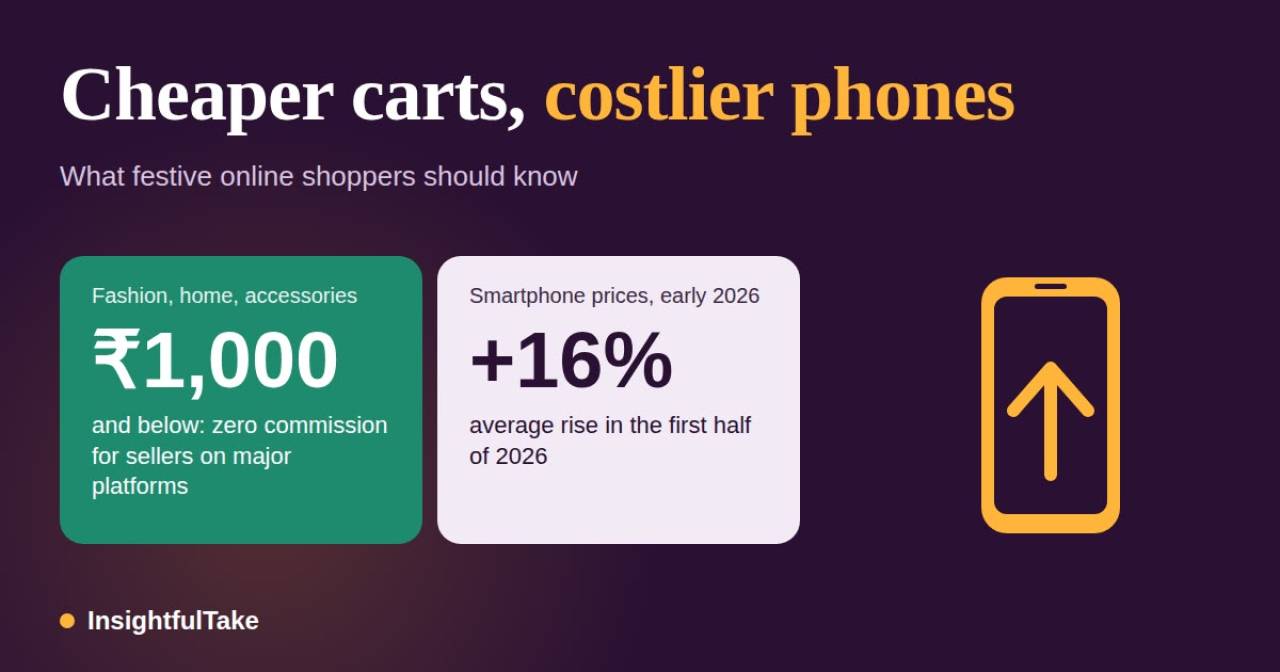
Online shopping this festive season is showing two very different trends. Clothes, home products and accessories are becoming cheaper as major platforms push low-priced goods, while smartphones and laptops are getting more expensive than they were a year ago.
For shoppers, knowing where prices are falling and where they are rising could make a real difference to the final bill.
The cheaper side of the market is being driven partly by lower seller costs.
Flipkart stopped charging sellers a commission on products priced below ₹1,000 in November 2025. In July 2026, it extended the benefit to fashion products across price points. Amazon also waived its referral fee, the amount sellers pay the platform on each sale, for products below ₹1,000 in March.
Lower platform fees can give sellers more room to reduce prices or offer a wider range of products. Amazon now has more than 2 million sellers, including over 300,000 who joined recently. Flipkart's active seller base has doubled in 15 months.
Lifestyle products account for about 41% of Flipkart's new sellers, with ethnic wear among the most popular categories for new businesses.
For consumers, this means more choices in kurtas, home décor, accessories and other everyday products at lower prices. Value shopping now accounts for about 13% of online purchases in India, compared with 9% in early 2023.
Meesho has also benefited from this shift. The platform has more than 274 million annual shoppers, with around three-fourths coming from smaller cities. Its orders increased by nearly half in a year.
But a lower price tag does not automatically mean a better deal.
With more sellers entering online marketplaces, shoppers are also likely to come across unfamiliar brands and products. Check the seller's rating before ordering and look for reviews that include photographs from actual buyers. For clothes, pay close attention to the size chart, fabric details and return conditions.
It is also worth checking the same product on more than one platform. A product advertised as a deal on one app may be available for less elsewhere.
There is another trap: frequent small purchases.
Meesho's average order value fell to ₹265 from ₹274 even as the number of orders increased sharply. The trend suggests that shoppers are buying more frequently but spending less on each order.
That can make spending difficult to track. Ten purchases of ₹300 each may not feel expensive individually, but together they add up to ₹3,000.
Setting a festive shopping budget before the sales begin can help prevent this kind of overspending.
Smartphones and Laptops Are Moving the Other Way
The picture changes when it comes to electronics.
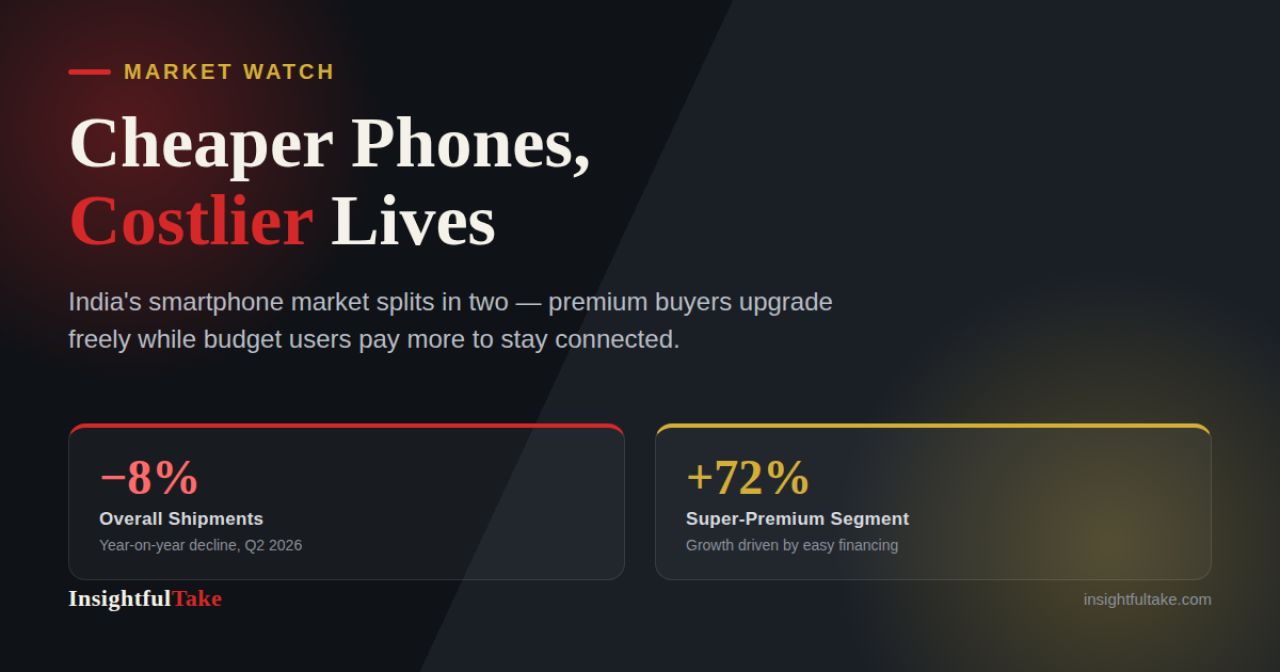
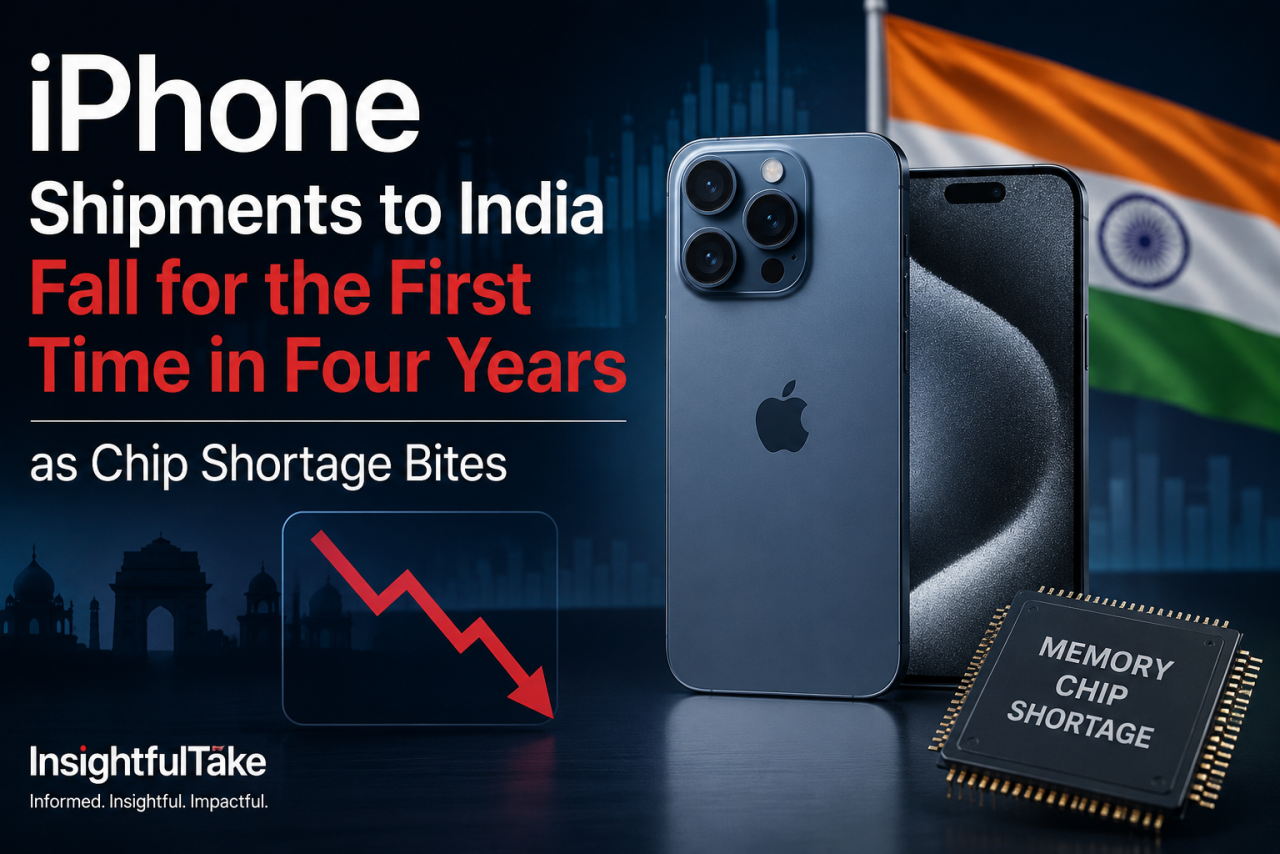
Smartphone prices rose by about 16% on average in the first half of 2026. Phones and laptops are now estimated to be 8% to 15% more expensive than a year ago.
Memory-chip shortages, strong demand for hardware used in artificial intelligence and the weaker rupee are among the factors pushing prices higher.
As a result, some consumers are delaying upgrades.
Smartphones are still expected to remain the biggest festive shopping category. But their share of total festive e-commerce sales by value could fall to about 28% to 29%, compared with 33% last year. Overall festive e-commerce sales are projected to reach around ₹1.5 lakh crore, about 25% higher than in 2025.
For anyone planning to buy a phone or laptop, the first question should be simple: do you actually need one now?
If the existing device is still working well, waiting for a better price or a more suitable model may make more sense than buying during a sale simply because the discount looks attractive.
The advertised discount should not be the only number you check. Compare the current price with recent prices, offline retailers and the brand's own website. Also check bank offers, exchange values and EMI conditions carefully. A low monthly instalment can sometimes hide processing fees or interest costs.
Buying from an authorised seller is another basic precaution. Keep the invoice and check the warranty terms before completing the purchase.
Don't Let the Countdown Make the Decision
Amazon's Great Indian Festival begins on October 8, bringing the usual combination of countdown clocks, limited-period offers and heavy advertising.
These promotions are designed to create a sense of urgency. It does not mean every deal needs an immediate response.
Before clicking the payment button, check the final price, delivery date, return window and any delivery or handling charges. For electronics, confirm the exact model number, storage capacity, warranty and seller details.
Festive bargains are real, but the biggest savings often come from knowing what not to buy.
Set a budget. Compare prices. Check the seller. Read the return policy. And when the discount looks too good to ignore, take a moment before clicking Buy Now.
Online shopping this festive season is showing two very different trends. Clothes, home products and accessories are becoming cheaper as major platforms push low-priced goods, while smartphones and laptops are getting more expensive than they were a year ago.
For shoppers, knowing where prices are falling and where they are rising could make a real difference to the final bill.
The cheaper side of the market is being driven partly by lower seller costs.
Flipkart stopped charging sellers a commission on products priced below ₹1,000 in November 2025. In July 2026, it extended the benefit to fashion products across price points. Amazon also waived its referral fee, the amount sellers pay the platform on each sale, for products below ₹1,000 in March.
Lower platform fees can give sellers more room to reduce prices or offer a wider range of products. Amazon now has more than 2 million sellers, including over 300,000 who joined recently. Flipkart's active seller base has doubled in 15 months.
Lifestyle products account for about 41% of Flipkart's new sellers, with ethnic wear among the most popular categories for new businesses.
For consumers, this means more choices in kurtas, home décor, accessories and other everyday products at lower prices. Value shopping now accounts for about 13% of online purchases in India, compared with 9% in early 2023.
Meesho has also benefited from this shift. The platform has more than 274 million annual shoppers, with around three-fourths coming from smaller cities. Its orders increased by nearly half in a year.
But a lower price tag does not automatically mean a better deal.
With more sellers entering online marketplaces, shoppers are also likely to come across unfamiliar brands and products. Check the seller's rating before ordering and look for reviews that include photographs from actual buyers. For clothes, pay close attention to the size chart, fabric details and return conditions.
It is also worth checking the same product on more than one platform. A product advertised as a deal on one app may be available for less elsewhere.
There is another trap: frequent small purchases.
Meesho's average order value fell to ₹265 from ₹274 even as the number of orders increased sharply. The trend suggests that shoppers are buying more frequently but spending less on each order.
That can make spending difficult to track. Ten purchases of ₹300 each may not feel expensive individually, but together they add up to ₹3,000.
Setting a festive shopping budget before the sales begin can help prevent this kind of overspending.
Smartphones and Laptops Are Moving the Other Way
The picture changes when it comes to electronics.
Smartphone prices rose by about 16% on average in the first half of 2026. Phones and laptops are now estimated to be 8% to 15% more expensive than a year ago.
Memory-chip shortages, strong demand for hardware used in artificial intelligence and the weaker rupee are among the factors pushing prices higher.
As a result, some consumers are delaying upgrades.
Smartphones are still expected to remain the biggest festive shopping category. But their share of total festive e-commerce sales by value could fall to about 28% to 29%, compared with 33% last year. Overall festive e-commerce sales are projected to reach around ₹1.5 lakh crore, about 25% higher than in 2025.
For anyone planning to buy a phone or laptop, the first question should be simple: do you actually need one now?
If the existing device is still working well, waiting for a better price or a more suitable model may make more sense than buying during a sale simply because the discount looks attractive.
The advertised discount should not be the only number you check. Compare the current price with recent prices, offline retailers and the brand's own website. Also check bank offers, exchange values and EMI conditions carefully. A low monthly instalment can sometimes hide processing fees or interest costs.
Buying from an authorised seller is another basic precaution. Keep the invoice and check the warranty terms before completing the purchase.
Don't Let the Countdown Make the Decision
Amazon's Great Indian Festival begins on October 8, bringing the usual combination of countdown clocks, limited-period offers and heavy advertising.
These promotions are designed to create a sense of urgency. It does not mean every deal needs an immediate response.
Before clicking the payment button, check the final price, delivery date, return window and any delivery or handling charges. For electronics, confirm the exact model number, storage capacity, warranty and seller details.
Festive bargains are real, but the biggest savings often come from knowing what not to buy.
Set a budget. Compare prices. Check the seller. Read the return policy. And when the discount looks too good to ignore, take a moment before clicking Buy Now.



















Leave a Comment