
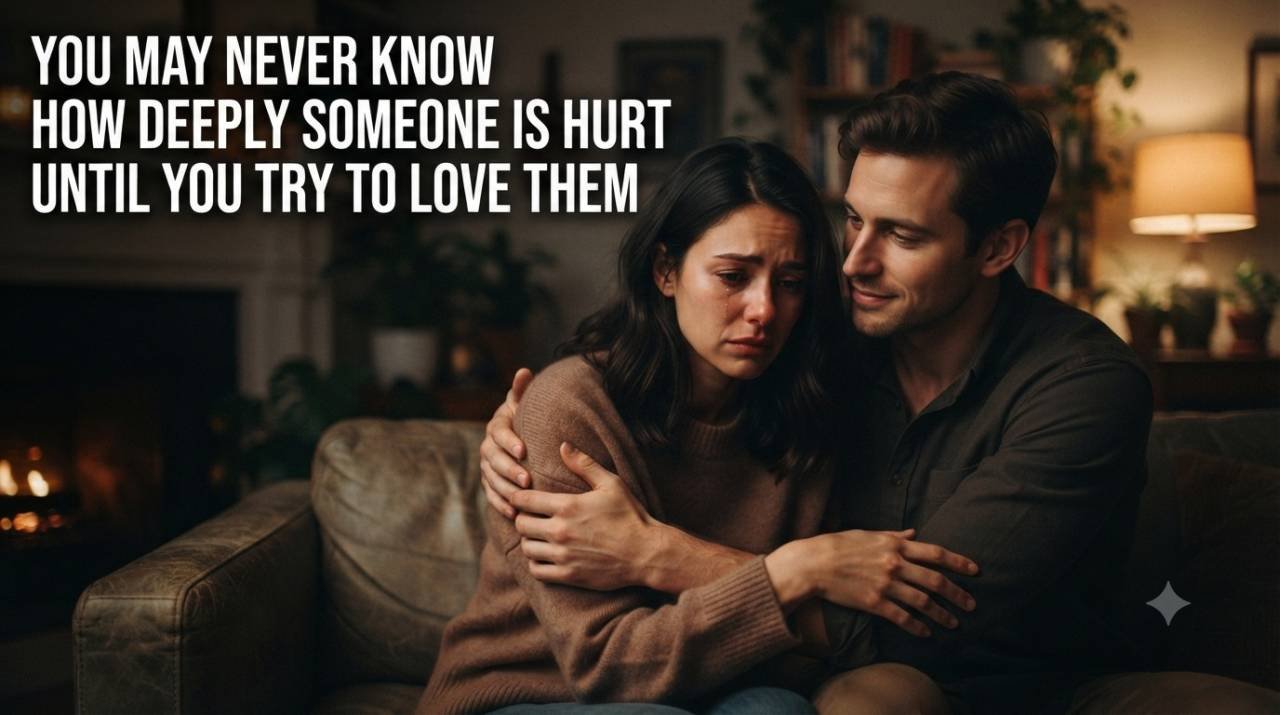
You May Never Know How Deeply Someone Is Hurt Until You Try to Love Them
There is a line that captures one of the most difficult realities of human relationships: “You'll never know how damaged a person is until you try to love them.”
It sounds simple, almost poetic, but its meaning reaches into the complicated corners of human psychology. People carry experiences that are rarely visible to others. Some have been betrayed, abandoned, humiliated or repeatedly disappointed. Others have spent years suppressing their emotions, learning to hide their vulnerabilities behind confidence, humour, anger or silence.
They may appear perfectly normal in everyday life. They work, laugh, socialise, make plans and fulfil their responsibilities. Yet, beneath that outward appearance, there may be unresolved pain that influences how they think, trust and respond to affection.
The real complexity often emerges when someone tries to get close.
When Love Meets Emotional Baggage
People who have experienced emotional hurt do not necessarily stop wanting love. In many cases, they want it deeply but struggle to accept it.
A person who has repeatedly experienced betrayal may question even the most genuine expressions of affection. Someone who grew up feeling unwanted may find it difficult to believe that another person could choose them without an ulterior motive. Those who have been emotionally neglected may interpret silence as rejection and ordinary disagreements as signs of abandonment.
Their reactions can sometimes appear unreasonable to someone who has not experienced similar circumstances. A delayed response may create anxiety. A disagreement may trigger an exaggerated emotional reaction. An expression of care may be met with suspicion rather than gratitude.
These responses are not always deliberate. Emotional experiences shape expectations, and expectations influence behaviour. When hurt remains unresolved, the mind can begin treating new relationships through the lens of old disappointments.
This is why loving someone requires an understanding of the person beyond their visible personality.
The Invisible History Behind Human Behaviour
Every individual has a personal history, but not everyone has the freedom or courage to discuss it.
Some people have learned that expressing vulnerability invites criticism. Others have discovered that trusting someone can lead to disappointment. Over time, they develop emotional defence mechanisms. They avoid difficult conversations, withdraw when relationships become intimate or pretend that nothing affects them.
Ironically, these protective habits can become obstacles to the very relationships they desire.
A person may push away someone who genuinely cares because emotional closeness feels unfamiliar or frightening. Another may constantly seek reassurance because past experiences have made security difficult to recognise.
It is tempting to judge such behaviour without understanding its background. But human beings are rarely shaped by a single experience. Their personalities, insecurities and emotional responses emerge from years of interactions, circumstances and personal struggles.
Understanding this does not mean approving every action. It simply means recognising that behaviour often has a history.
Love Is Not a Substitute for Healing
There is also a romantic misconception that unconditional love can repair every emotional wound.
Films, literature and popular culture frequently portray love as a transformative force capable of changing even the most troubled individuals. While affection and emotional security can contribute significantly to healing, love alone cannot resolve deeply rooted psychological distress.
A partner, friend or family member can offer support, reassurance and companionship. They can create an environment where a person feels accepted rather than judged. But they cannot do the emotional work on someone else's behalf.
Healing requires self-awareness, willingness and, in some circumstances, professional support.
Equally important, understanding someone's past should not mean tolerating manipulation, disrespect, emotional abuse or repeated harm. A difficult childhood or painful relationship history may explain certain behaviours, but it does not automatically justify them.
Compassion must have boundaries. Otherwise, the person trying to offer love may gradually become emotionally exhausted.
The Courage to Love Without Judging
One of the greatest gifts we can offer another human being is the freedom to be imperfect without constantly fearing rejection.
This does not require grand gestures. Sometimes it means listening without interrupting, allowing someone the time to express difficult emotions or understanding that not everyone communicates affection in the same way.
It also means resisting the urge to turn another person's vulnerability into a weapon during arguments. Personal disclosures are expressions of trust. Using them to humiliate someone can deepen wounds that took considerable courage to reveal.
At the same time, people carrying emotional pain must recognise that those who love them are human too. Their patience has limits, their feelings deserve consideration and their emotional needs matter.
A healthy relationship cannot survive on the understanding of one person alone. It requires mutual effort, accountability and the willingness to grow together.
Beyond Romance, A Lesson in Humanity
The quote is not merely about romantic relationships. It applies equally to friendships, families and our everyday interactions.
We often judge people by isolated moments. We call someone arrogant because they do not speak much, insensitive because they struggle to express affection or difficult because they react strongly to ordinary situations. We rarely consider what experiences might have shaped their responses.
A little empathy can change the way we see people. It reminds us that everyone is fighting battles that may not be visible to the outside world.
But empathy also begins with ourselves. Recognising our own emotional wounds, accepting our vulnerabilities and taking responsibility for our behaviour are essential parts of becoming healthier individuals.
Ultimately, loving someone means discovering more than their attractive qualities. It means encountering their fears, insecurities, contradictions and unfinished struggles.
That discovery can be difficult. It can test patience and challenge expectations. It can also reveal the depth of human connection.
Love may not erase the scars people carry, but genuine understanding can make them feel less alone. And sometimes, that is where healing begins.




















Leave a Comment