

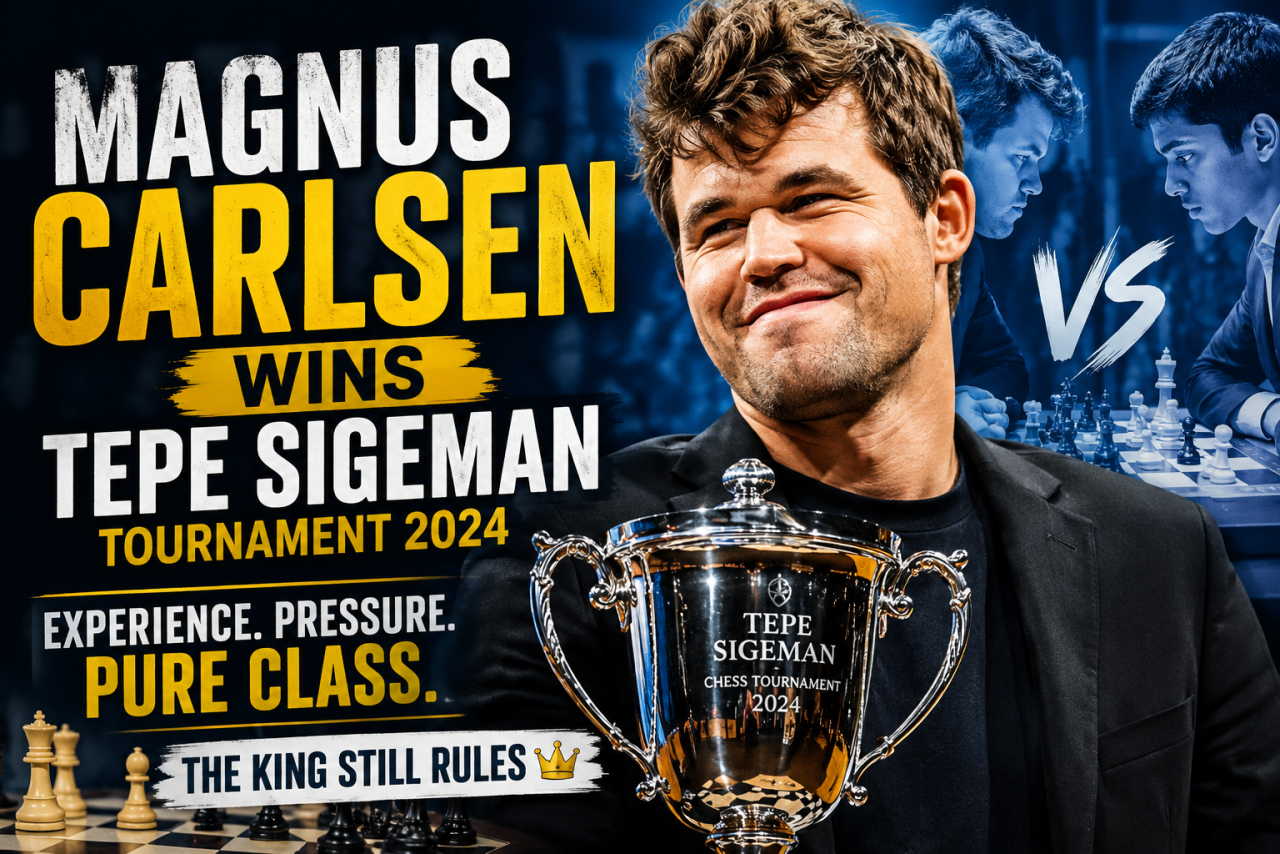
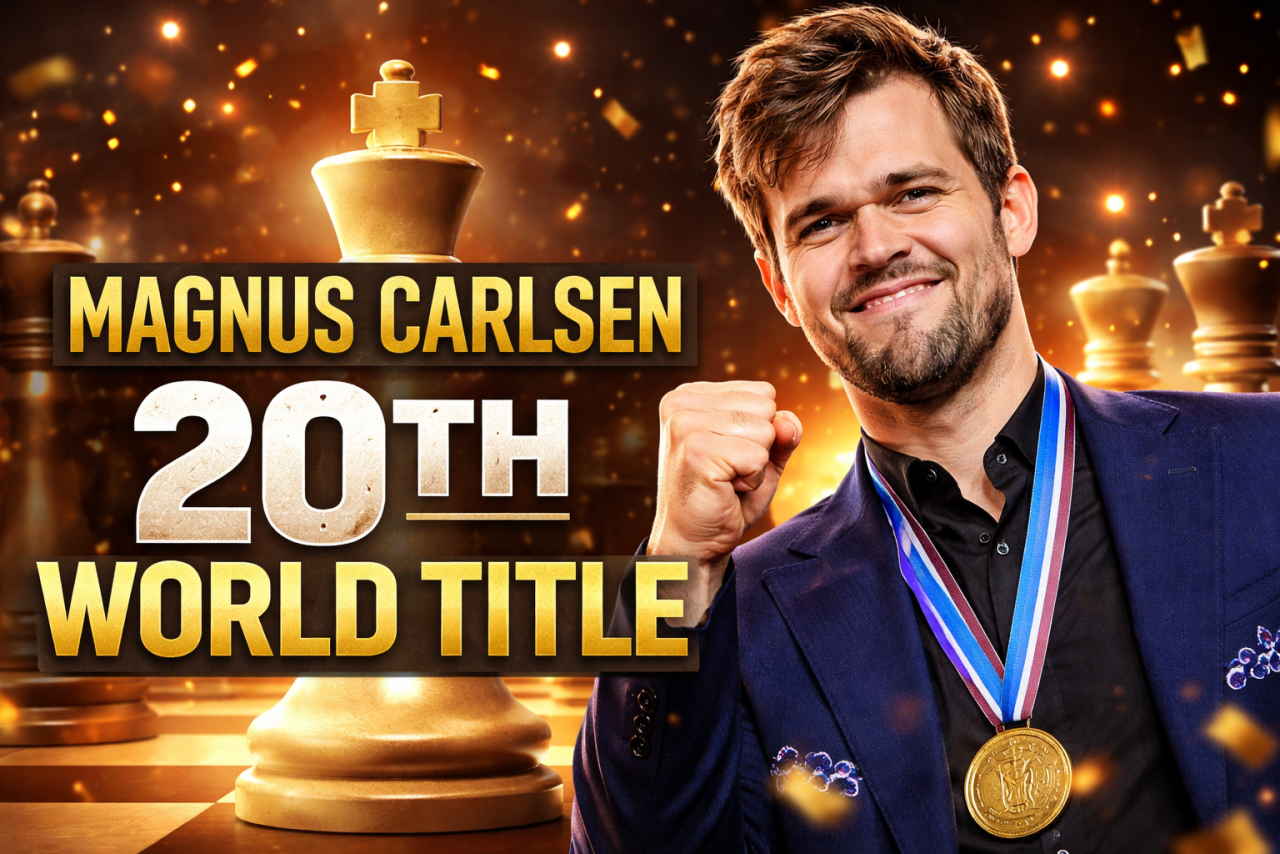
In the world of elite chess, Magnus Carlsen has long occupied a space that feels less like a seat at a table and more like a throne. For over a decade, the Norwegian grandmaster has defined the modern era of the game, blending a deep, intuitive understanding of positions with a ruthless endgame technique that has left even the strongest engines in awe. Yet, as he prepares for the FIDE World Rapid and Blitz Championships in Doha, Carlsen finds himself at a fascinating crossroads—one defined by the joys of fatherhood, the clinical influence of artificial intelligence, and the meteoric rise of a new generation of players.
Carlsen’s arrival in Doha was marked by the same quiet confidence that has become his trademark. Speaking to the press, he made it clear that while his life has changed significantly off the board, his ultimate goal remains fixed. "I love being a husband and a father," he remarked, reflecting on a year that has seen him embrace domestic life. However, he was quick to dispel any notions that these new responsibilities have dulled his competitive edge. "Neither my son nor my wife are too much of a help, unfortunately, in terms of chess advice yet," he joked, before asserting that his hunger for success is as sharp as ever.
The narrative surrounding Carlsen in 2024 has been one of continued dominance, albeit punctuated by moments of characteristic rebellion. He entered the year having already secured five Rapid and eight Blitz world titles, a resume that makes him the undisputed favorite in any speed chess format. However, his journey hasn’t been without its controversies. Earlier in the year, at a tournament in New York, Carlsen made headlines not just for his play, but for his attire. By wearing jeans to the venue—a violation of FIDE’s strict dress code—he was banned from the Rapid competition. It was a reminder that even at the pinnacle of the sport, Carlsen remains a figure who marches to the beat of his own drum.
This year’s championships are particularly poignant because of the presence of D. Gukesh, the young Indian prodigy who has become the face of a generational shift in chess. When asked if he still considers the world’s rising stars, including Gukesh, as "youngsters," Carlsen’s response was both humble and revealing. He noted that when Gukesh was born, he was already a top-50 player in the world. To Carlsen, these players represent a "known entity" that is constantly evolving. He expressed a genuine fascination with the rapid development of players between the ages of 16 and 22, noting that their growth within even a few months can be staggering.
Interestingly, Carlsen and Gukesh offer differing perspectives on the role of technology in the game. Carlsen, who has lived through the transition from human-centric preparation to engine-dominated study, admitted that artificial intelligence has made the game "boring" for him at times. He argued that while AI tools are incredible for learning, they have made the game more egalitarian and harder to "prep up" for, essentially flattening the curve and making it difficult to find the creative edges that once defined high-level play.
Gukesh, representing the new guard, takes a more optimistic view. For him, computers are a vital partner in the learning process, allowing him to absorb ideas at a pace that was previously impossible. He believes that while preparation has become more difficult, it has also made the game "more sportive," shifting the focus toward physical fitness and mental resilience.
As the games begin in Doha, the stage is set for a classic confrontation: the veteran king, seeking to defend his legacy, against the young challengers who have grown up in the shadow of his dominance. Carlsen remains the man to beat, but in the fast-paced world of Rapid and Blitz, where intuition and nerves are tested to their limits, nothing is guaranteed. One thing is certain, though: Magnus Carlsen is not done winning yet.























Leave a Comment