
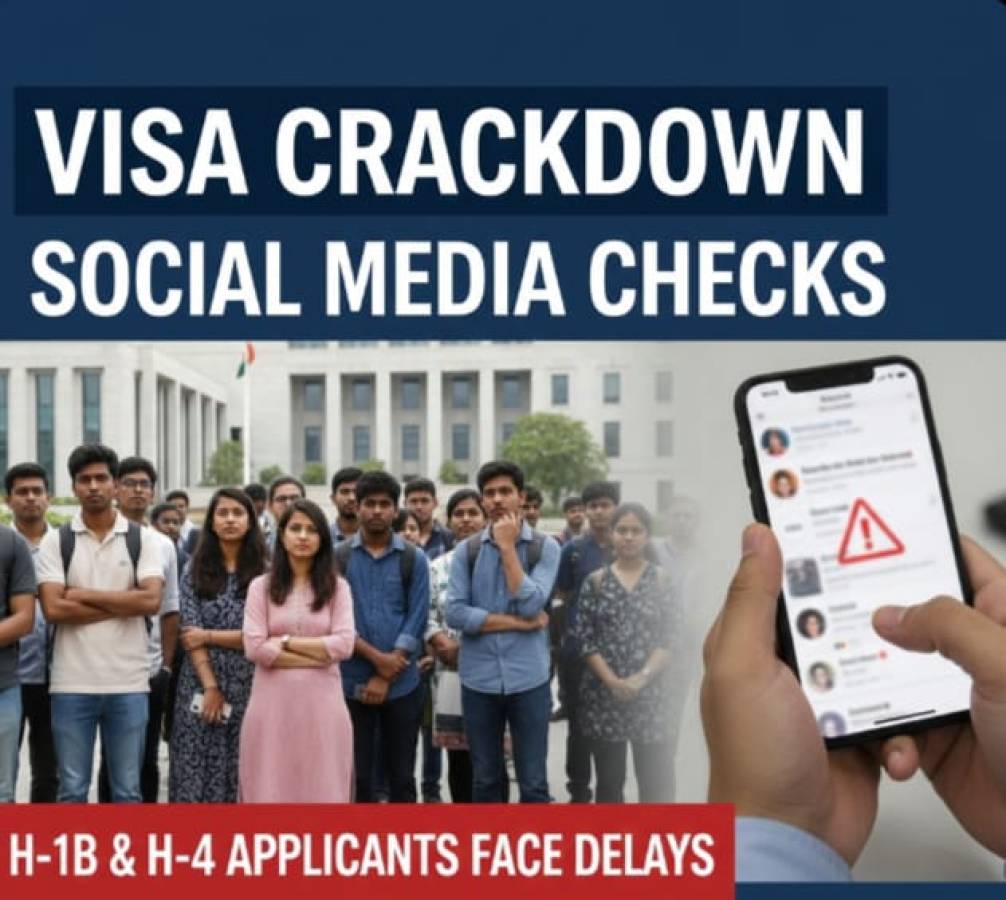
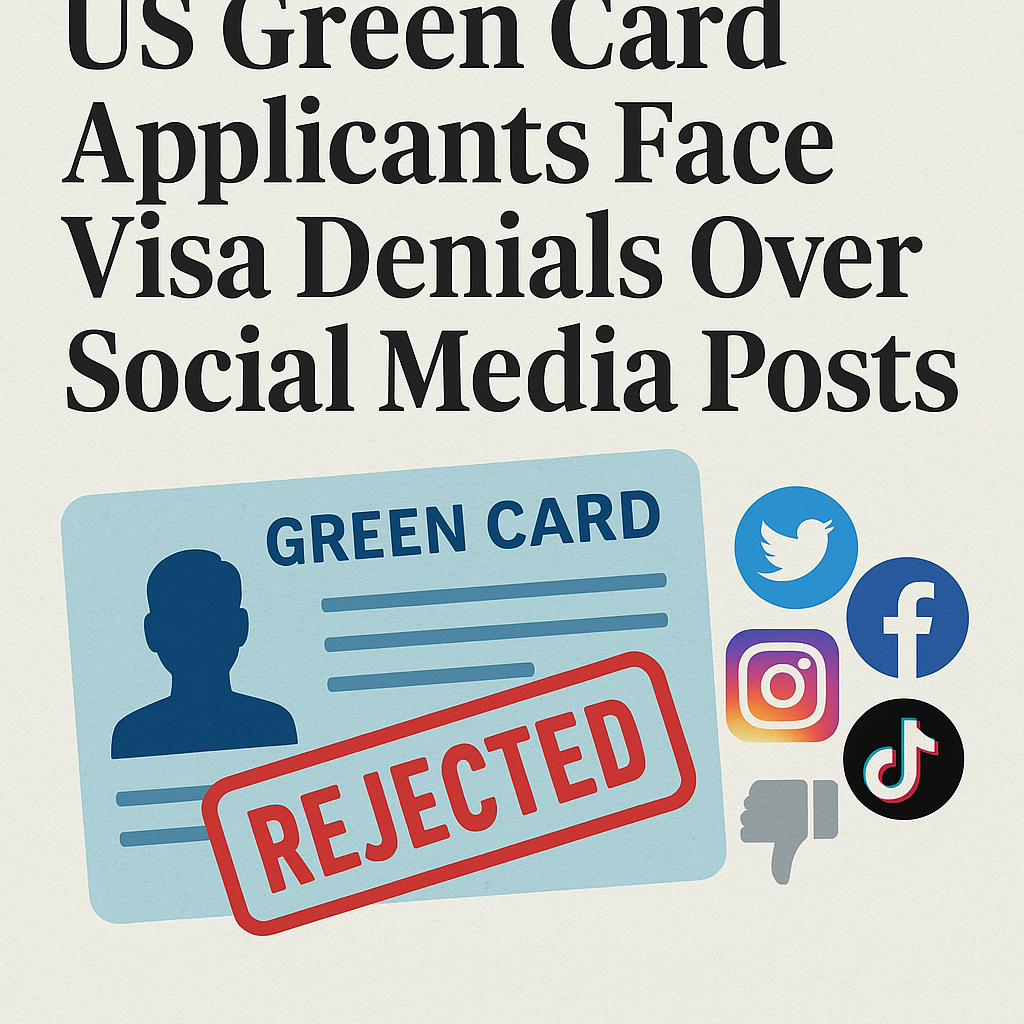
The United States Embassy in India is facing mounting pressure as it processes a high volume of non-immigrant visa applications. Officials cite resource constraints and expanded security protocols as key reasons for the delays. The impact has been particularly sharp for H-1B visa applicants and their H-4 dependents, following the introduction of mandatory social media vetting.
Under the new requirement, applicants must update their profile data by submitting details of their social media history. The rule is part of broader security measures that have led to widespread rescheduling of visa appointments across India.
Appointment Rescheduling and Clear Communication
In response to the disruption, the US Embassy has clarified that all communication related to appointment changes will be sent directly to applicants via email. Applicants have been advised to monitor their inboxes closely for updated appointment dates.
The embassy also warned that applicants who arrive on their originally scheduled date, despite receiving a rescheduling notice, will not be allowed entry into the embassy or consulate. This advisory has also been shared through official posts on X.
Applicants who receive a rescheduling email are instructed to wait for further confirmation from the US Embassy in New Delhi or the respective consulate handling their case.
Rollout of Enhanced Vetting
The US Department of State has confirmed that the enhanced vetting process will take effect from December 15 for all H-1B applicants and their H-4 dependents. The expanded review applies not only to employment-based visas but also to student and exchange visitor categories, including F, M, and J non-immigrant visas.
From this date, online presence reviews will be extended to all family members applying for H-4 visas. This additional scrutiny will supplement existing application requirements and background checks.
Security Mandate and Global Impact
The expanded social media vetting traces its origins to a policy announcement made in June during the Trump administration, which called for increased scrutiny of visa applicants worldwide. As part of the rollout, US embassies and consulates were instructed to temporarily pause adding new appointment slots while implementing the new procedures.
According to US officials, the objective of the policy is to identify applicants who may pose a national security risk. The changes have also contributed to appointment backlogs, particularly affecting student and employment-based visa applicants in India.
Christopher Elms, a spokesperson for the US Embassy, stated that authorities will “take the time necessary to ensure an applicant does not pose a risk to the safety and security of the United States.” He added that appointment schedules are routinely adjusted based on staffing and resource availability.
Concerns from Immigration Attorneys
Immigration attorneys have expressed concern over the practical impact of the new vetting rules, particularly for first-time visa stamping and applicants facing tight onboarding deadlines.
Nicole Gurmara, principal immigration attorney at Masst Law, said the changes primarily affect timing and predictability rather than eligibility. She noted that applicants may face longer interview wait times and an increase in cases placed under administrative processing after interviews, especially when H-4 dependents are involved.
Gurmara emphasised that the new rules do not make it harder to qualify for an H-1B visa, as eligibility continues to depend on the strength of the petition and the legitimacy of the job offer. However, she acknowledged that the process is becoming slower and more stressful for applicants.
Proposed Global Expansion
The US is also considering expanding social media checks to travellers from countries that currently do not require a visa for short-term visits. The proposal would affect citizens of nearly 40 countries, including Australia, Germany, Japan, and the UK, who can enter the US for up to 90 days under the ESTA programme.











Leave a Comment