

In a move aimed at restoring trust in the city’s troubled real estate market, the Noida Authority has announced that it will soon publish an online database detailing illegal constructions and land-related violations across the region. The initiative is being seen as a decisive step to protect homebuyers from falling into costly traps and to clamp down on the network of builders and land mafias that have thrived in the shadows for years.
For thousands of families in Noida and Greater Noida, the dream of owning a home has often turned into a nightmare. Apartments purchased with life savings have, in several cases, later been declared illegal, cut off from basic civic amenities, or even demolished. Officials say the new database is meant to break this cycle by giving citizens access to verified information before they invest.
According to the Authority, the online platform will provide detailed, work circle–wise information on illegal buildings, including their exact location, the nature of violations, the status of construction, and the action taken by officials. Photographs of ongoing illegal construction will be uploaded, along with data on the extent of built-up area and the approved land-use category as per official records. Structures that have already been demolished will be listed separately, with warning boards installed on site to clearly indicate that the land belongs to the Authority.
Senior officials say the idea is simple but powerful: transparency as a tool of prevention. “Most buyers invest without knowing the legal risks involved. By the time they realise the problem, it is often too late,” an official explained. Illegal flats or plotted developments not only expose buyers to financial loss, but also deprive them of basic facilities such as water supply, sewage connections, roads and electricity—services that cannot legally be extended to unauthorised structures. Residents are also left living under the constant fear of eviction or demolition.
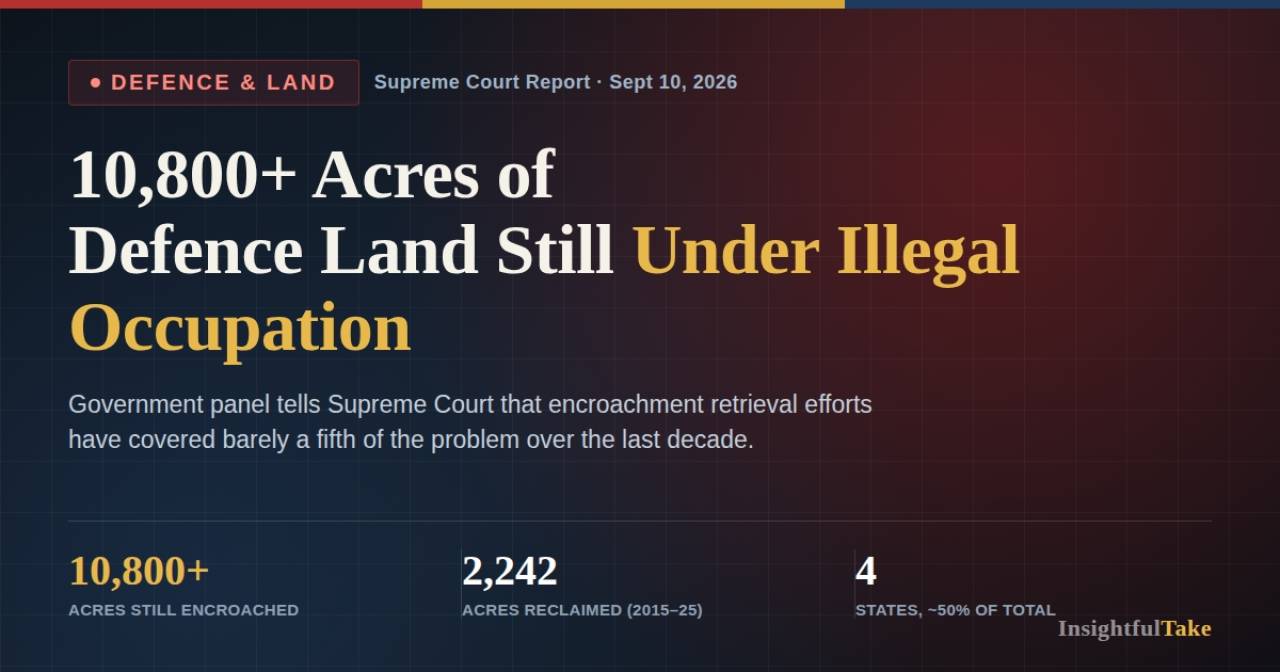
The scale of the problem is significant. Since January 2024, the Noida Authority has freed nearly 2.3 million square metres of encroached government land, valued at over ₹2,200 crore. Much of this land, officials say, falls under the Master Plan 2031 and has been earmarked for planned development. Illegal construction, however, has proliferated in several pockets, with Salarpur frequently cited as one of the most affected areas, where multiple high-rise structures have reportedly come up without proper approvals.
Despite repeated notices and warnings, unsuspecting buyers continue to invest in such projects, often lured by lower prices or false assurances from developers. To strengthen enforcement, the Authority plans to send every demolition order and related first information report (FIR) directly to the Commissioner of Police. This, officials believe, will help prevent delays in action and ensure that violations are treated as serious offences rather than routine irregularities.
More than 100 complaints related to illegal construction and land grabbing have already been filed, and police investigations are underway. In a further bid to deter wrongdoing, the Authority has said it will soon publish the names of identified land mafias online. Files recommending individuals for classification as “land mafia” have been sent to the District Magistrate, and once cleared, these names will be made public. The intention, officials say, is to alert residents and buyers so they can remain cautious during property transactions.
Urban planners and housing activists have welcomed the move, calling it long overdue. Noida’s rapid expansion over the past two decades has often outpaced regulation, creating gaps that unscrupulous operators have exploited. An accessible, regularly updated database could help level the playing field by ensuring that information is no longer confined to official files or courtrooms.
For ordinary citizens, the success of this initiative will depend on how consistently it is maintained and how easily it can be accessed. If implemented sincerely, the database could mark a turning point—shifting the burden of secrecy away from authorities and placing knowledge directly in the hands of the public.
At a time when urban India is grappling with unplanned growth and eroding trust in real estate, Noida’s transparency drive sends a clear message: the cost of illegal construction will no longer be borne by unsuspecting homebuyers alone.


























Leave a Comment