
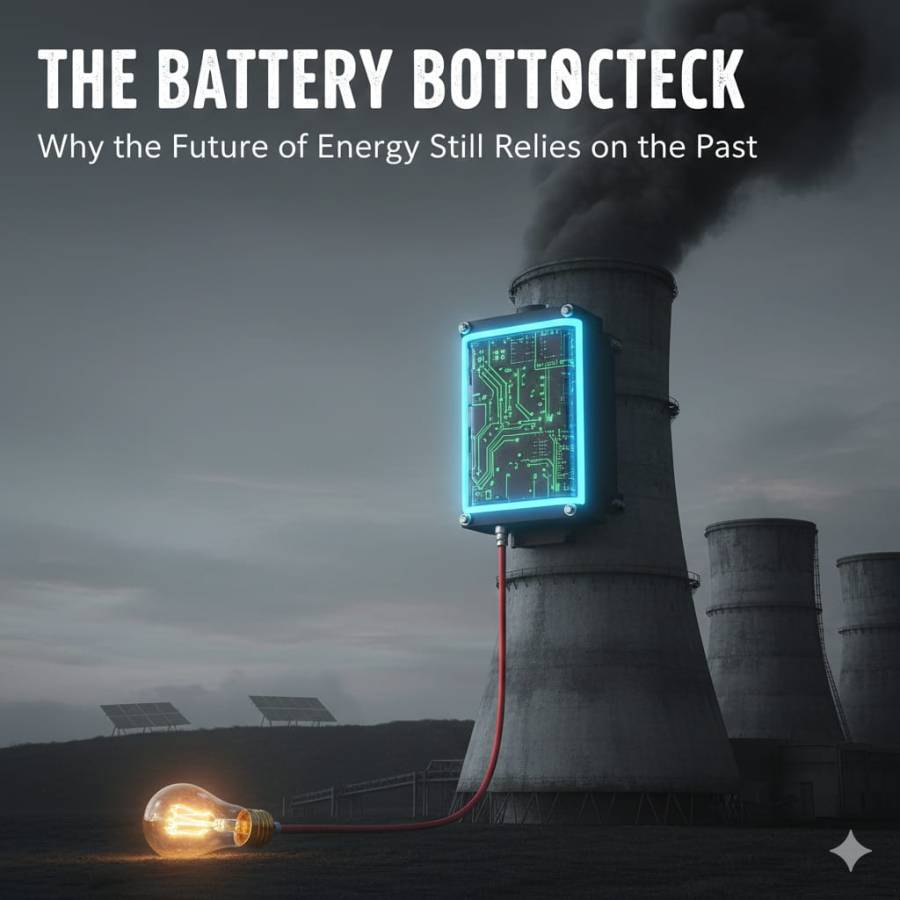
There is a growing disconnect between the headlines we read about the "green revolution" and the reality of how our cities stay powered. For years, the public narrative has been singular: renewable energy is the future, it is cheaper than ever, and coal is on its deathbed. Yet, a look at recent energy contracts reveals a different story. Power distribution companies in several regions are currently signing long-term deals for thermal (coal) power at rates significantly higher than solar or wind.
This isn’t just a policy quirk; it’s a reality check that every citizen should understand. Why is the "cheaper" green option being left on the shelf while utilities double down on expensive, traditional power? The answer lies in the difference between the price of a unit of energy and the cost of a reliable light switch.
The "Base Load" Problem
The fundamental challenge is that modern life runs 24/7, but the sun and wind do not. In the energy world, this is known as the "infirm" nature of renewables. Solar power is incredibly cheap at 2 PM, but it is nonexistent at 8 PM when families come home, turn on their appliances, and demand the most from the grid.
Thermal power provides what is known as "base load"—a steady, predictable flow of electricity that keeps the grid stable regardless of the weather. Currently, even with the best battery technology available, storage systems can often only bridge the gap for a few hours. To ensure a full night of electricity or to power through a week of heavy rain, utility providers feel they have no choice but to stick with coal. For the common reader, this means that while your "green" conscience wants solar, your need for an uninterrupted internet connection and a working refrigerator is currently being anchored by traditional thermal power.
The Hidden Costs of "Cheap" Energy
We often hear that solar power costs roughly ₹2.5 to ₹4 per unit, while thermal can climb above ₹6. On paper, the choice is obvious. However, the "sticker price" of renewable energy is deceptive because it doesn't account for "integration costs."
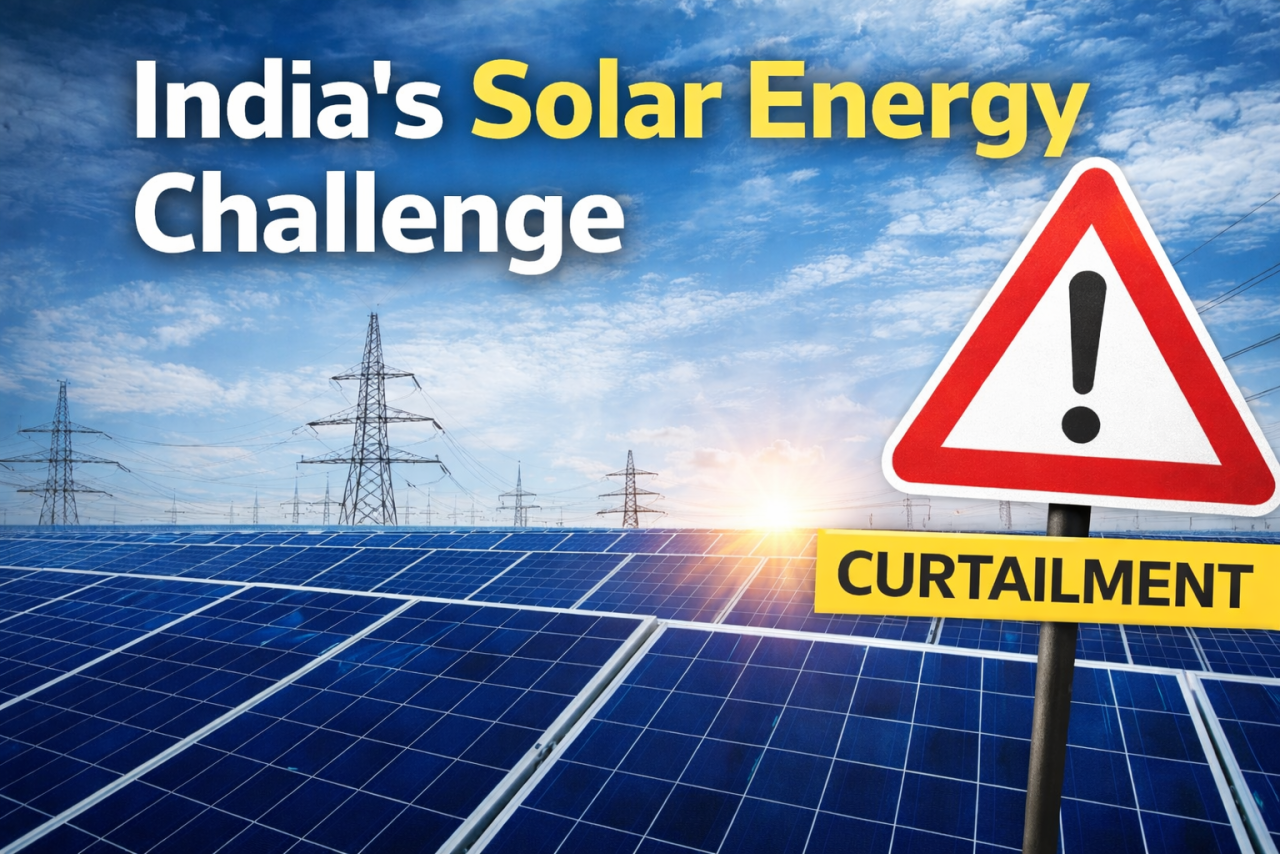
When a utility company buys solar power, it must also invest in massive battery storage systems—which are currently hit with high taxes and rely on complex, imported supply chains—or maintain backup coal plants that sit idle until the sun goes down. When you add these hidden layers, the "expensive" coal power starts to look like a safer financial bet for struggling utility companies that simply cannot afford a blackout.
Why This Matters to You
This trend matters to the average person for three main reasons:
- The Impact on Your Bill: If utilities are signing high-priced contracts for thermal power today to ensure reliability, those costs will eventually be passed down to consumers. We are in a transition phase where energy prices may actually rise before they fall, contrary to the promise of "free" sunlight.
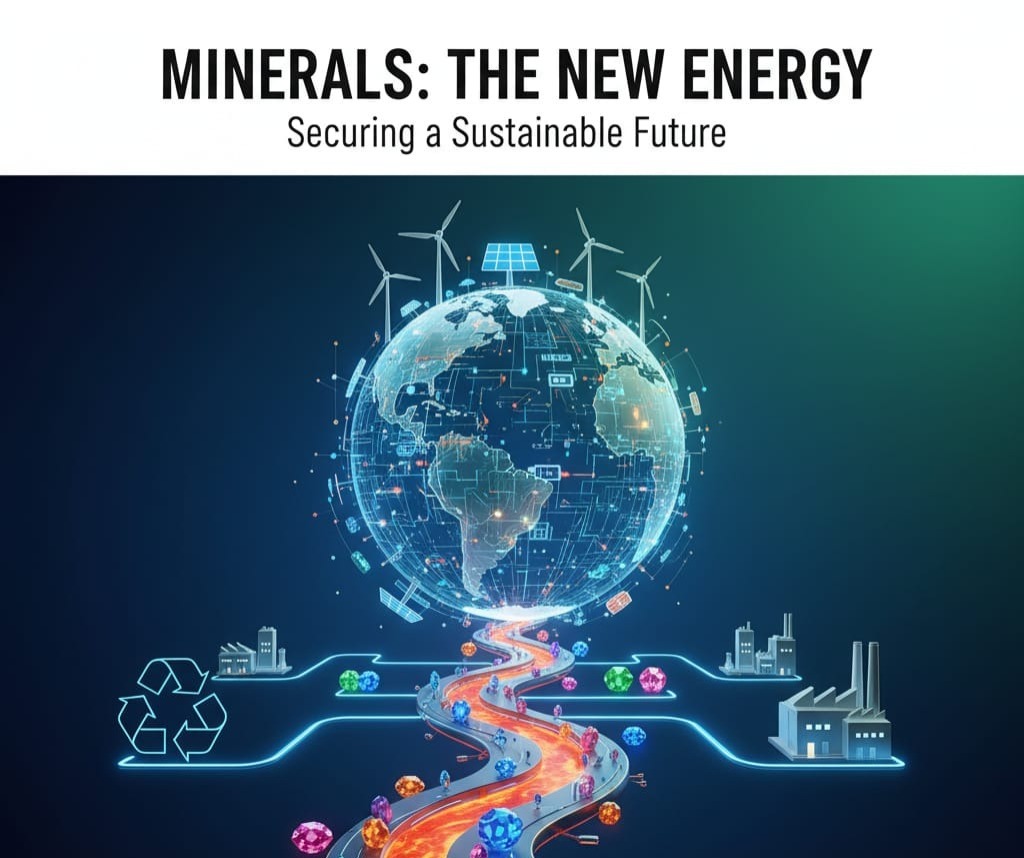
- National Energy Security: Relying heavily on batteries means relying on global supply chains for minerals like lithium. Coal, for all its environmental faults, is a resource many nations have in abundance. The pivot back to thermal is often a move toward self-reliance in an unstable global economy.
- The Realistic Climate Timeline: Ambitious "Net Zero" goals are essential, but when power demand grows by 10% annually, the immediate priority of a government often shifts from "being green" to "keeping the lights on."
A Fresh Perspective
The takeaway shouldn't be that renewable energy has failed. Instead, we need to change how we define "cheap" energy. True energy efficiency isn't just about the source; it's about storage and grid intelligence. Until battery technology becomes as affordable and locally sourced as the fuel sitting in our mines, the transition will be slower and more expensive than the brochures suggest.
Knowing this helps us move past the "coal vs. solar" binary. The future isn't a simple switch from one to the other; it’s a difficult, expensive balancing act that requires us to be honest about the limitations of current technology.
























Leave a Comment