
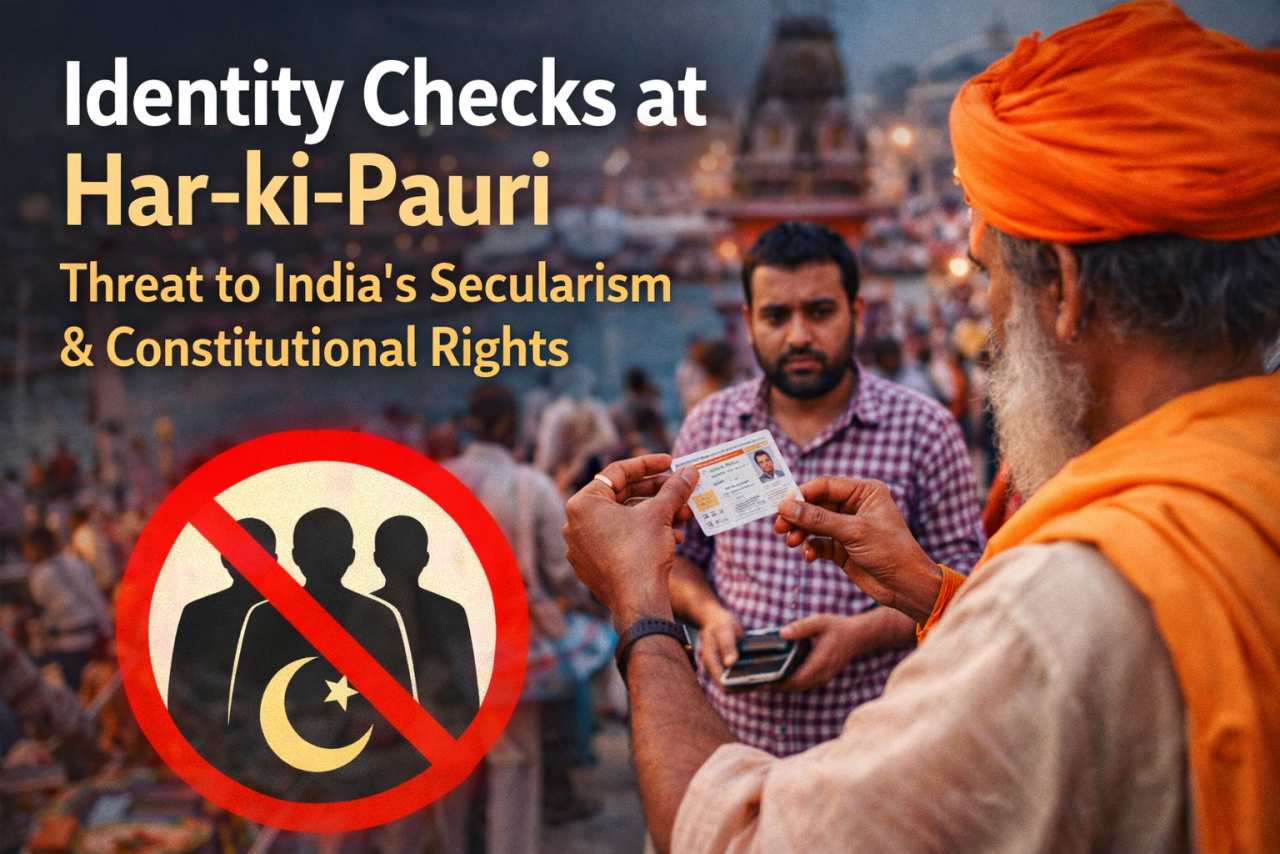
Recent reports from Haridwar indicate that priests of the Ganga Sabha have begun checking the identity cards of individuals at Har-ki-Pauri to filter out “non-Hindus.” This practice, targeting vendors, laborers, and others based on their religious identity, raises serious concerns about social harmony, legal authority, and the very principles enshrined in India’s Constitution.
The Incident and Its Implications
According to multiple sources, the Ganga Sabha, which manages Har-ki-Pauri’s Brahmakund, initiated a verification drive. Priests were seen inspecting identification documents of shop attendants, hawkers, waiters, and even beggars. This follows the Sabha’s formal demand to the Uttarakhand government to prohibit non-Hindus from entering, staying, or engaging in commercial activities within the Kumbh Mela zone.
Ganga Sabha secretary Ujjwal Pandit justified the move by claiming that the presence of non-Hindus “can hurt the sentiments of devotees and also pose security concerns.” While religious sentiments deserve respect, they cannot justify discrimination or bypass established law. Security is the responsibility of the state, not private religious organizations.
The Constitutional Perspective: India as a Secular Nation
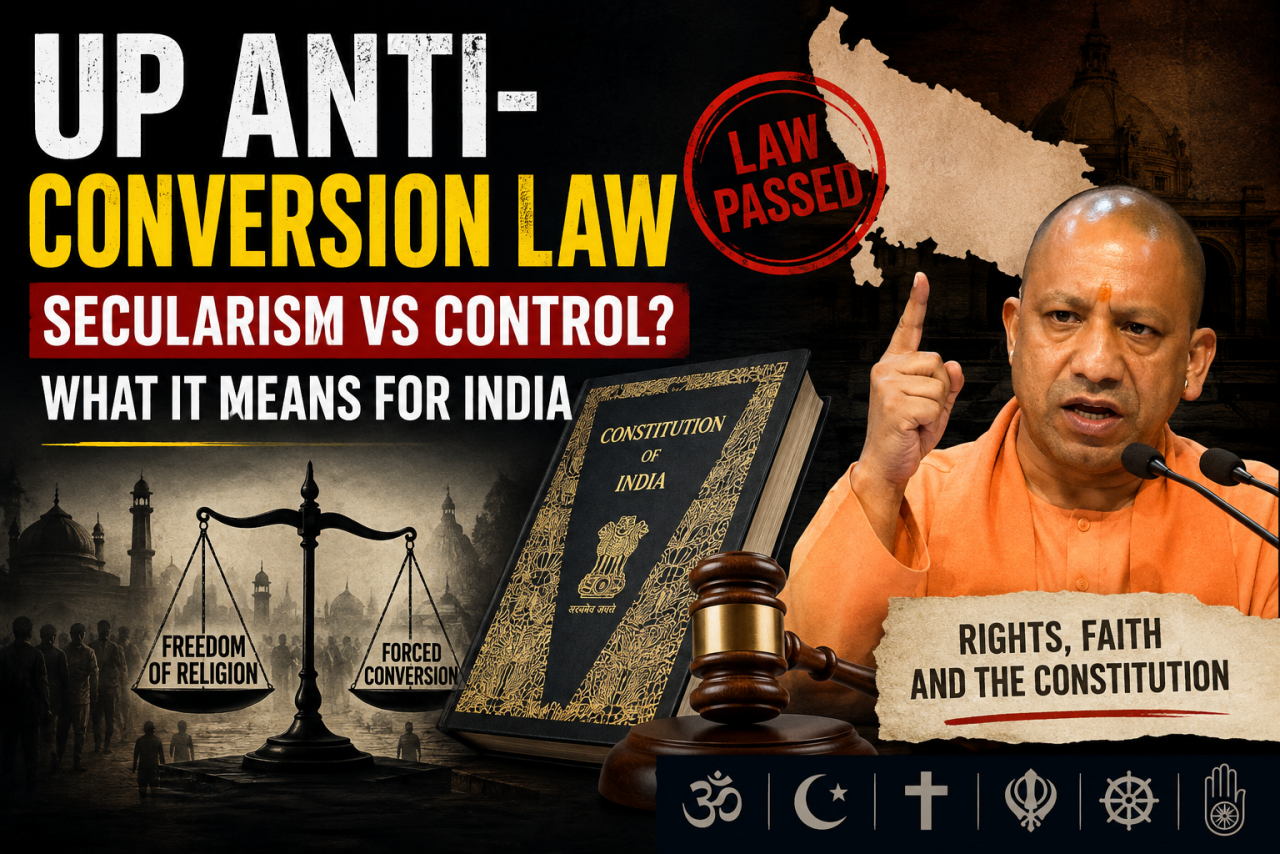
India’s secular identity is a core feature of its Constitution. Secularism here does not mean the absence of religion but requires that the state treat all religions equally and prevent discrimination against any citizen based on faith.
Several constitutional provisions directly challenge exclusionary practices such as those reported at Har-ki-Pauri:
- Article 14 (Equality before Law): Guarantees equality and equal protection under the law to all persons in India. Identity-based checks and exclusion clearly violate this right.
- Article 15 (Prohibition of Discrimination): Prohibits discrimination by the state on grounds of religion, race, caste, sex, or place of birth. While primarily targeting state actions, its principles shape India’s broader legal and social framework.
- Article 19(1)(g) (Freedom of Profession): Grants citizens the right to practice any profession or carry on any trade or business. Restricting commercial activity based on religion is unconstitutional and unlawful, as highlighted by High Court lawyer Kartikeya Hari Gupta.
- Article 21 (Protection of Life and Personal Liberty): Protects the right to live with dignity and earn a livelihood. Forcing individuals out of their jobs or preventing them from working due to their faith violates this fundamental right.
Threats to Social Harmony
Beyond legal concerns, these actions endanger India’s social fabric. Haridwar, and specifically Har-ki-Pauri, holds immense spiritual significance and has historically welcomed people from diverse communities. Pilgrimage sites across India have long been spaces where cultures intersect, local economies thrive, and devotion coexists with diversity.
Introducing religious tests for entry or employment fosters exclusion, suspicion, and division. It risks setting a precedent where private groups enforce their own rules, undermining law and order. The potential consequences include communal polarization, social unrest, and the erosion of mutual respect essential for India’s diverse society.
The Role of the State and the Way Forward
City police station in-charge Ritesh Shah has emphasized that official security measures and verification processes are already in place. This reaffirms that maintaining law and order is the state’s responsibility, not that of religious bodies.
It is crucial for the government and judiciary to take a clear stance against extra-constitutional actions. Upholding social harmony requires defending the rights of all citizens, regardless of faith, and countering divisive narratives.
Religious sites should preserve sanctity through devotion and peaceful coexistence, not identity checks and exclusion. Protecting constitutional values of equality, secularism, and the right to livelihood is essential to maintaining India’s inclusive, democratic character. Reports like these are alarming reminders that safeguarding secularism demands vigilance and unwavering commitment to the rule of law.




















Leave a Comment