
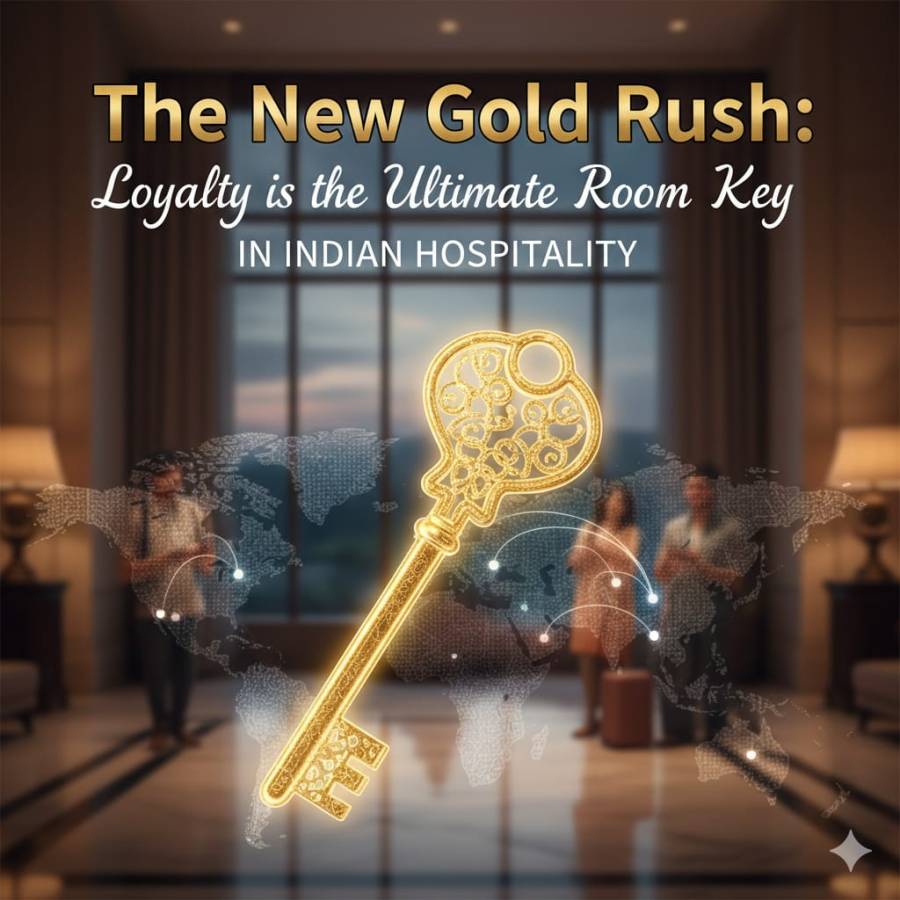
India’s hotel wars are no longer being fought over room rates—they’re being won through relationships.
For a long time, the hotel business in India revolved around one obsession—finding the next guest. Marketing teams chased visibility, revenue managers tweaked prices daily, and discount campaigns became routine. Growth was measured in new bookings, new sign-ups, and new footfalls. The assumption was simple that the more fresh customers you attract, the stronger your business becomes.
That thinking is now changing. With occupancy levels climbing to highs not seen in years and domestic travel expanding steadily, hotels are no longer under the same pressure to scramble for every new reservation. Instead, many are asking a different question: how do we make sure a guest comes back?
This shift from constant acquisition to deliberate retention is reshaping Indian hospitality. Hotels are discovering that the real opportunity lies not in filling a room once, but in building a relationship that lasts.
At the heart of this transition is the transformation of loyalty programs. What used to be a straightforward system—stay enough nights and earn a free one—has evolved into something far more influential. Loyalty points now function almost like a parallel currency. They shape decisions about where people stay, which airline they choose, and even what events they attend.
The earlier model of loyalty was transactional. Guests collected points and redeemed them for discounts. There was little emotion attached to it. Today, global brands such as IHG Hotels & Resorts, Marriott International, and Accor are treating loyalty as a broader lifestyle ecosystem rather than a reward chart.
The change reflects the evolving Indian traveler. After the long pause caused by the pandemic, travel returned with enthusiasm. Families are taking delayed vacations. Professionals are blending work trips with leisure. Younger travelers are exploring more frequently. They are willing to spend, but they expect ease, personalization, and a sense of recognition in return.
This is where integration plays a key role. Many hotel loyalty programs now connect with airline partnerships, allowing points to move between flight bookings and hotel stays. The travel experience becomes continuous rather than fragmented. From airport check-in to hotel checkout, the journey feels part of one network.
Rewards themselves have become more aspirational. Instead of being limited to room discounts, loyalty points can unlock exclusive experiences—concert tickets, private dining events, curated city tours, and premium access to sporting fixtures such as the Indian Premier League. For many travelers, the appeal lies less in saving money and more in gaining access. Experiences have become the new currency of loyalty.
Technology is strengthening this approach. Hotels are using data analytics to understand guest preferences in greater detail. A preference for a high-floor room, a specific pillow type, or late checkout is recorded and remembered. When those preferences are automatically honored during the next visit, it creates a feeling of familiarity. That recognition builds comfort, and comfort encourages repeat stays.
Behind all this is a simple financial reality. Attracting a new customer has become increasingly expensive. Digital advertising costs continue to rise, and online travel agencies take commissions that eat into margins. When guests book directly through loyalty programs, hotels retain greater control over the relationship and keep a larger share of revenue.
Repeat guests also tend to spend more. They are more likely to dine at in-house restaurants, book spa treatments, upgrade their rooms, and extend their stays. Their contribution goes beyond room revenue. Over time, this deeper engagement provides stability in a market that can otherwise be volatile.
There is also a psychological element at work. As Elie Maalouf of IHG Hotels & Resorts has noted, frequent engagement within a brand’s ecosystem makes switching less attractive. Points accumulated over time represent stored value. Choosing a competitor often means walking away from benefits already earned. This subtle “lock-in” effect strengthens brand attachment without overt pressure.
In India’s expanding domestic travel market, competition for loyal members is intensifying. Boutique brands such as The Postcard Hotel and international operators like Radisson Hotel Group are refining strategies focused on long-term member growth. In a crowded industry where room designs can appear similar and pricing shifts daily, trust and familiarity offer lasting differentiation.
Looking ahead, the future of Indian hospitality will depend on making loyalty feel personal rather than promotional. The focus is gradually moving away from how many points a guest earns toward how relevant a brand remains in that guest’s life. Hotels that anticipate needs, remember preferences, and deliver consistent experiences will stand out.
For travelers, this evolution brings real advantages. Loyalty today offers smoother journeys, tailored services, and access that once seemed exclusive. In a market overflowing with options, being recognized carries genuine value.
Ultimately, success in Indian hospitality may not belong to the chains with the largest number of rooms. It may belong to those that understand the power of familiarity. When a guest checks in and feels known without having to explain themselves, the experience goes beyond a transaction. It begins to feel like belonging.











Leave a Comment