
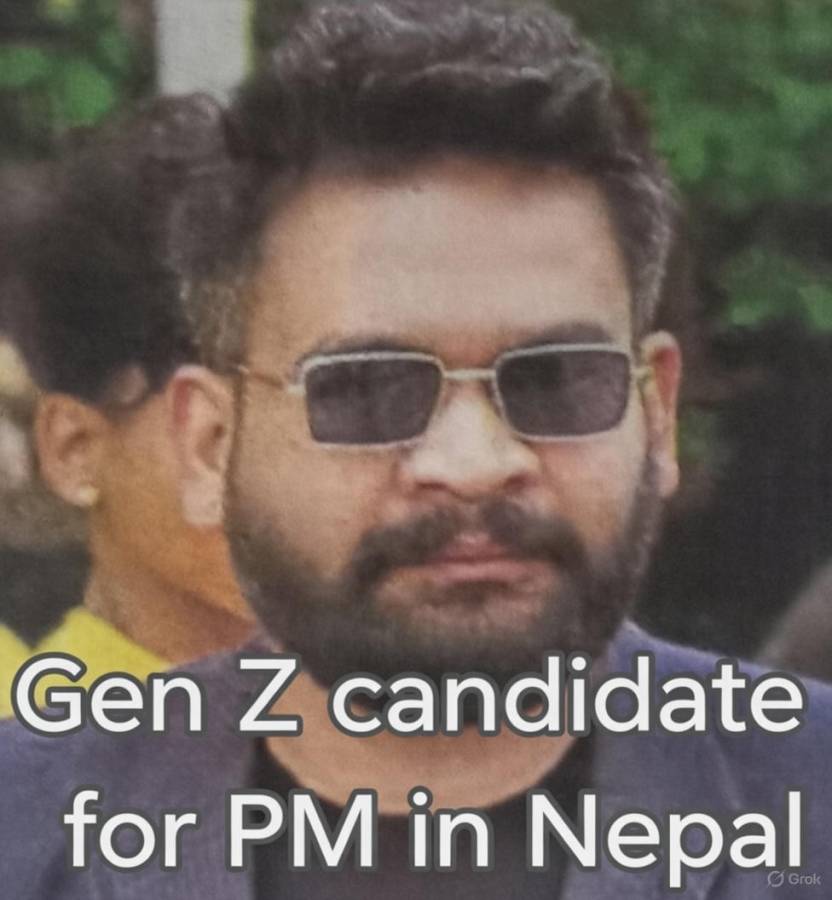
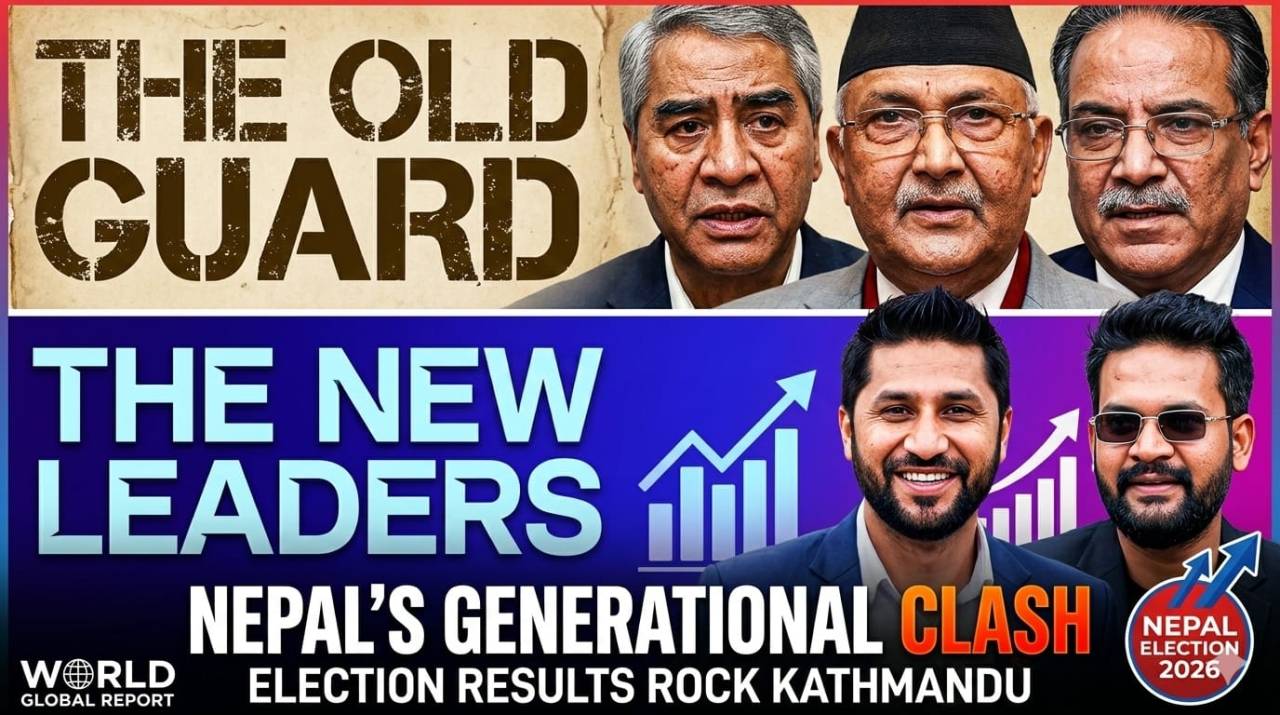
Nepal is heading into one of the most consequential elections in its modern history, and the forces shaping it are unlike anything the country has seen before. As the March 5, 2026, parliamentary elections approach, Nepal’s long-dominant political order is facing a challenge not from rival parties, but from its own youth.
At the heart of this transformation are two unconventional figures: Balendra “Balen” Shah, the rapper-turned-Mayor of Kathmandu, and Rabi Lamichhane, a former television anchor turned political disruptor. Together, under the banner of the Rastriya Swatantra Party (RSP), they are riding a wave powered largely by Gen Z anger, digital activism, and street-level protest.
This moment did not emerge quietly. It was triggered by a decision that many young Nepalis saw as an attack on their voice.
On September 4, 2025, the government abruptly banned 26 social media platforms, including TikTok, Facebook, and YouTube. For a generation that uses these platforms not only for entertainment but also for income, political expression, and community-building, the move felt less like regulation and more like suppression.
What followed was swift and explosive. Online outrage turned into physical mobilization within days.
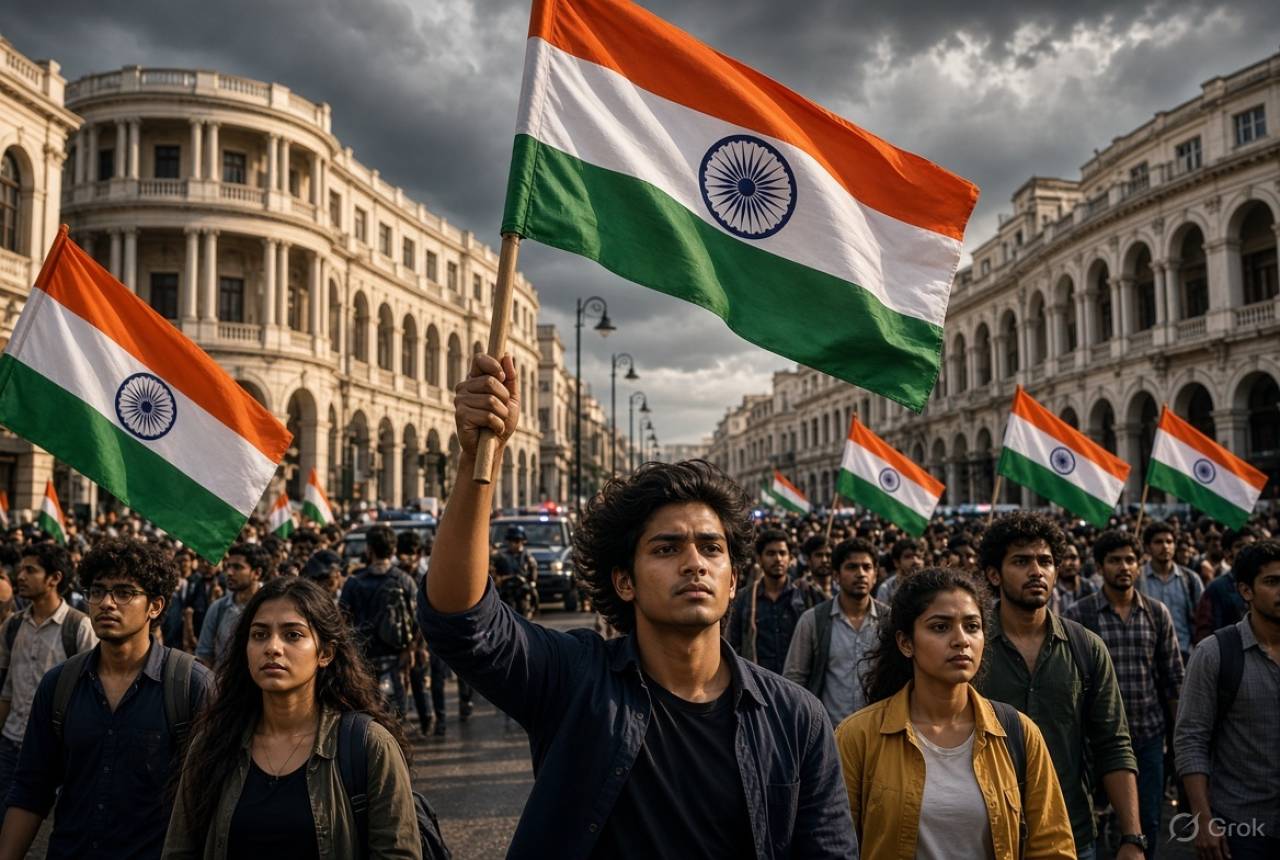
By September 8 and 9, thousands of young people—students, first-time voters, creators, freelancers—flooded the streets of Kathmandu and other major cities. Unlike traditional protests, these demonstrations were not organized around party flags or ideological slogans. Instead, placards carried hashtags, memes, and phrases born online. One slogan stood out: #NepoBaby, a pointed critique of political dynasties and inherited power.
The protests marked a clear generational break. This was not a movement asking for reforms within the system; it was questioning the legitimacy of the system itself.
The state’s response proved disastrous. Police attempts to disperse crowds escalated into violence. Over the course of the unrest, 77 people lost their lives, and more than 2,000 were injured. Images and videos of the crackdown spread rapidly—ironically, through the very digital networks the government had tried to silence.
Public anger intensified. Protesters attacked government buildings and, in some cases, the residences of former political leaders. The message was unmistakable: the old rules no longer applied.
Under immense pressure, then-Prime Minister KP Sharma Oli resigned just two days after the protests reached their peak. A caretaker government led by former Chief Justice Sushila Karki was installed to restore stability and oversee fresh elections.
Yet the most lasting impact of the uprising came after the streets emptied. In the weeks following the protests, nearly one million new voters—mostly young Nepalis—registered to vote. For the first time, youth were not just protesting power; they were preparing to claim it.
This is where Balen Shah enters the national spotlight. Already popular for his outsider image and anti-corruption messaging as Kathmandu’s mayor, Balen became a symbol of post-protest hope. Critics argue that his leadership style relies heavily on social media communication, but for Gen Z voters, that is precisely the point. He speaks their language, on their platforms, without political polish.
By aligning with Rabi Lamichhane’s RSP, Balen is attempting something unprecedented: translating viral credibility into electoral authority. If successful, he is widely expected to become Nepal’s next Prime Minister.
The stakes are high. Nearly 19 million voters are eligible to vote in March, and the youth vote may prove decisive. Nepal’s election is no longer just a national event—it is a global test case for whether digital-native protest movements can reshape democratic power through the ballot box.
As the countdown to March 5 begins, one question dominates: can Nepal’s Gen Z turn online rebellion and street resistance into lasting political change? The answer may redefine the country’s future for decades to come.














Leave a Comment