
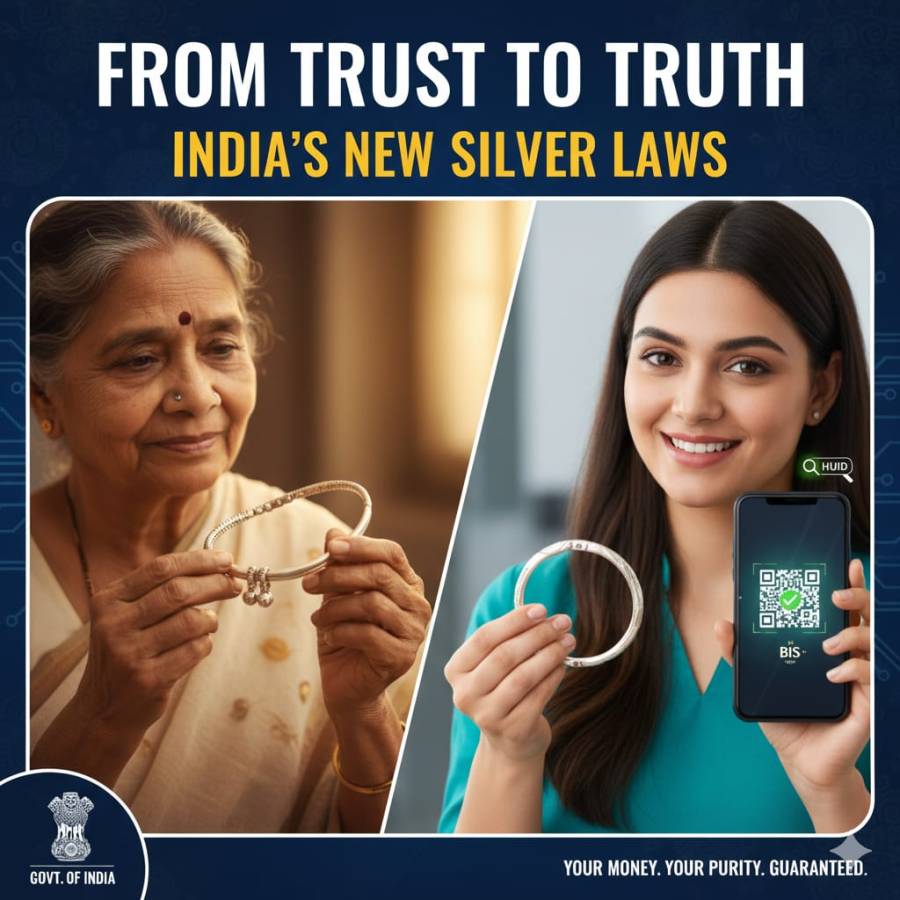
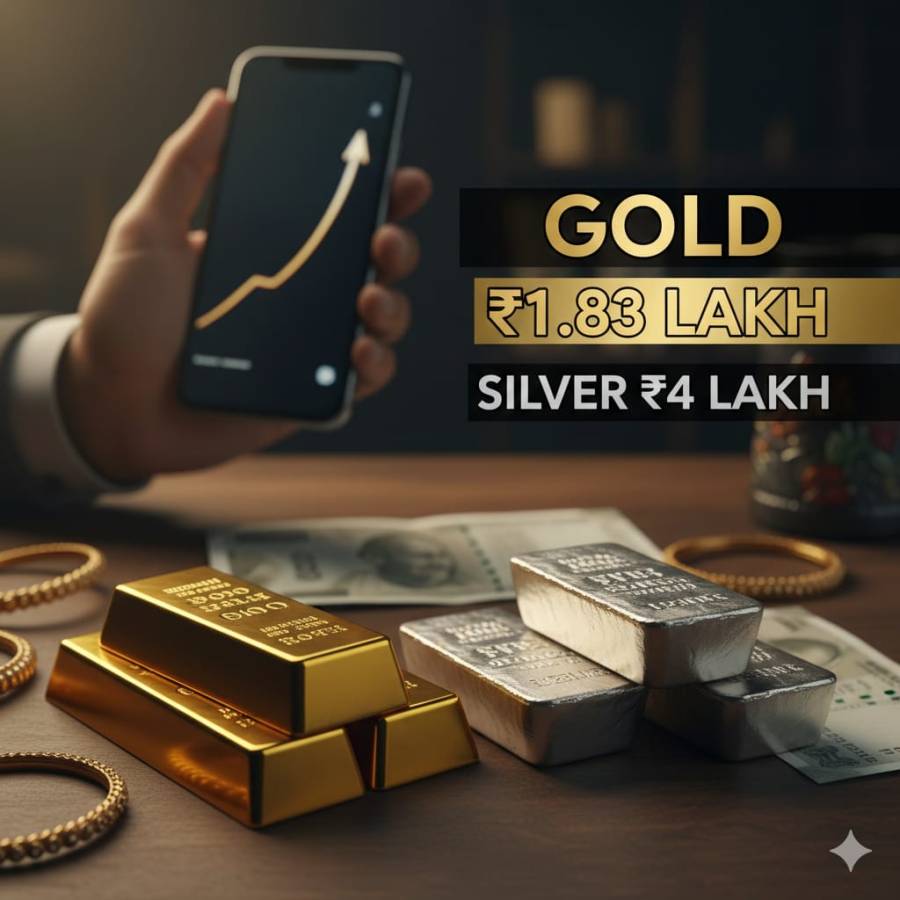
For generations, the purchase of silver in India has been a ritual rooted in faith. Whether it was a small spoon for a baby’s first meal or heavy anklets for a bride, the transaction unfolded across a counter where the jeweller’s word was final. But as silver prices surged past ₹2,00,000 per kilogram in early 2026, faith alone is no longer a sufficient currency.
The Indian government’s move to make silver hallmarking mandatory is therefore not merely a regulatory adjustment. It represents a fundamental shift in how the country safeguards the savings of its people.
Protecting the Common Man’s Savings
Gold may symbolise affluence, but silver has long been the true people’s metal. For millions of middle-class and rural households, silver is the first step into formal savings—a form of portable wealth that can be liquidated in times of need. By introducing the Hallmark Unique Identification (HUID), a six-digit alphanumeric code stamped on each item, the government is effectively giving silver a verifiable identity.
For consumers, this brings an end to what might be called “purity erosion.” Families have often discovered, at moments of distress, that the silver they believed to be 92.5 per cent pure fetched far less than expected. Mandatory hallmarking ensures that the value paid at purchase is broadly the value recovered at resale. Silver, in this framework, shifts from being merely ornamental to becoming a dependable financial asset.
A Social Shift: Transparency Over Tradition
India’s jewellery trade has historically operated through trust-based relationships, particularly in small towns and family-run establishments. While these traditions fostered loyalty, they also created opacity. Bringing silver under the Bureau of Indian Standards (BIS) regime modernises the relationship between buyer and seller.
The change is quietly empowering. With the BIS Care App, any buyer with a smartphone can instantly verify the authenticity of a purchase. Technical expertise is no longer required to protect oneself from malpractice. Accountability becomes systemic rather than personal, and transparency replaces assumption as the basis of trust.
Strengthening the National Economy
Beyond households, the impact of mandatory hallmarking extends to the broader economy. India consumes an estimated 5,000 to 7,000 tonnes of silver each year, most of it imported. Standardising silver quality within domestic markets creates several downstream benefits.
Indian silver jewellery becomes more competitive in international markets such as the UK and the United States, where traceability and certification are non-negotiable. At home, hallmarking also enhances silver’s credibility as an investment asset. As silver increasingly emerges as an alternative to gold, standardisation makes valuation easier for financial institutions, potentially paving the way for silver-backed credit for small businesses and farmers.
A Phased Revolution
The government has acknowledged the scale and complexity of the transition. Implementation is being rolled out in phases, beginning with pilot districts, allowing time to expand testing infrastructure and digital tracking systems. Silver, by its very nature, poses more logistical challenges than gold. Yet this gradual approach reflects an effort to balance reform with feasibility, ensuring that disruption today leads to stability tomorrow.
Final Take
Mandatory silver hallmarking marks a quiet but significant moment in India’s economic evolution. It signals a move away from informal assurances toward verifiable protection. For the grandmother saving coins, the parent buying a gift, and the young investor tracking silver prices, the reform offers something more enduring than metal itself: peace of mind.

.jpeg)













Leave a Comment