
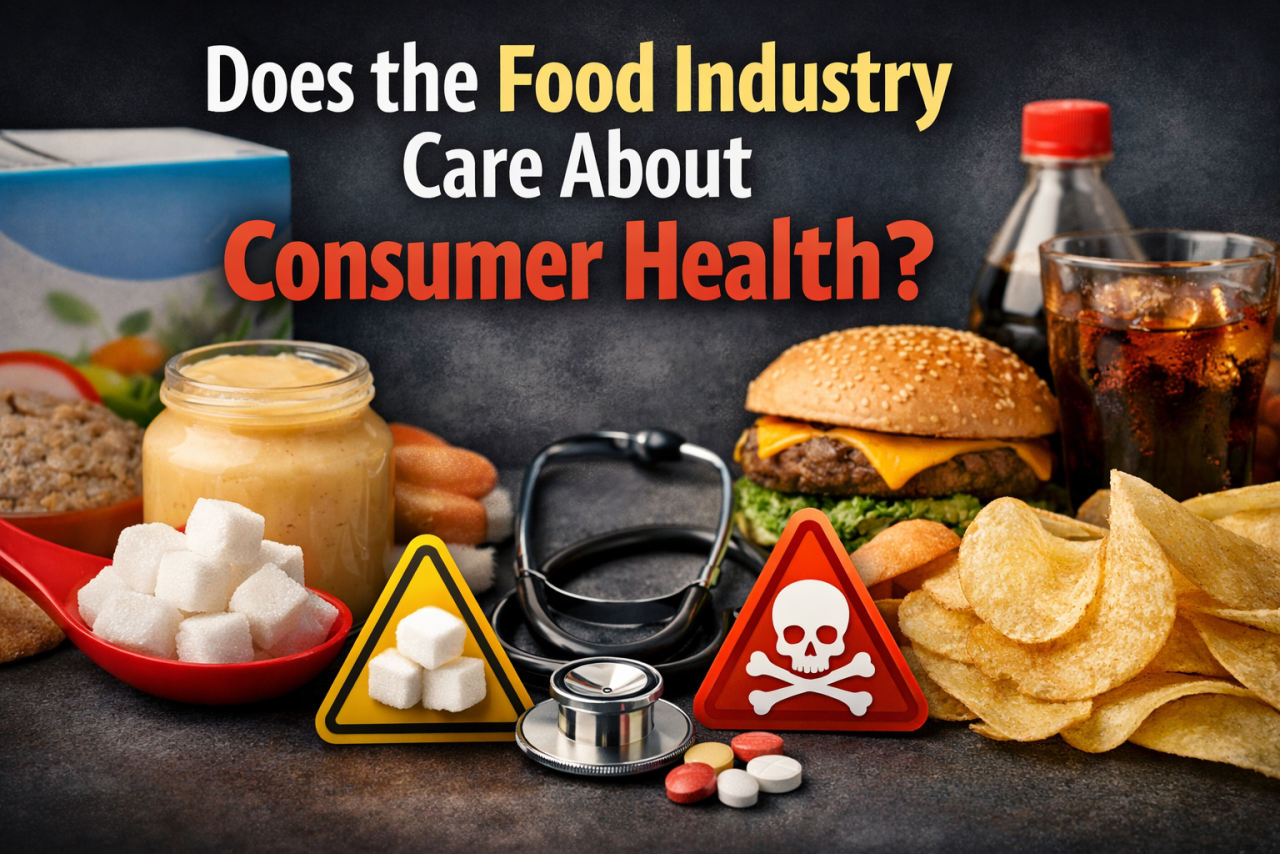
The short answer appears to be no, or at least not consistently.
A recent report has brought global attention to the practices of multinational food companies. The report, published by Swiss NGO Public Eye in collaboration with the International Baby Food Action Network (IBFAN), found that Nestlé marketed baby food products such as Cerelac in India and other developing countries with significantly higher sugar content than the same products sold in Europe. The findings have raised serious concerns about consumer health, especially the health of children.
High sugar intake in early childhood is linked to obesity, diabetes, and heart-related conditions later in life. It also increases the risk of developing long-term dependency on sugary foods. Public health experts warn that such practices can place an added burden on healthcare systems in developing economies, where access to treatment is already limited.
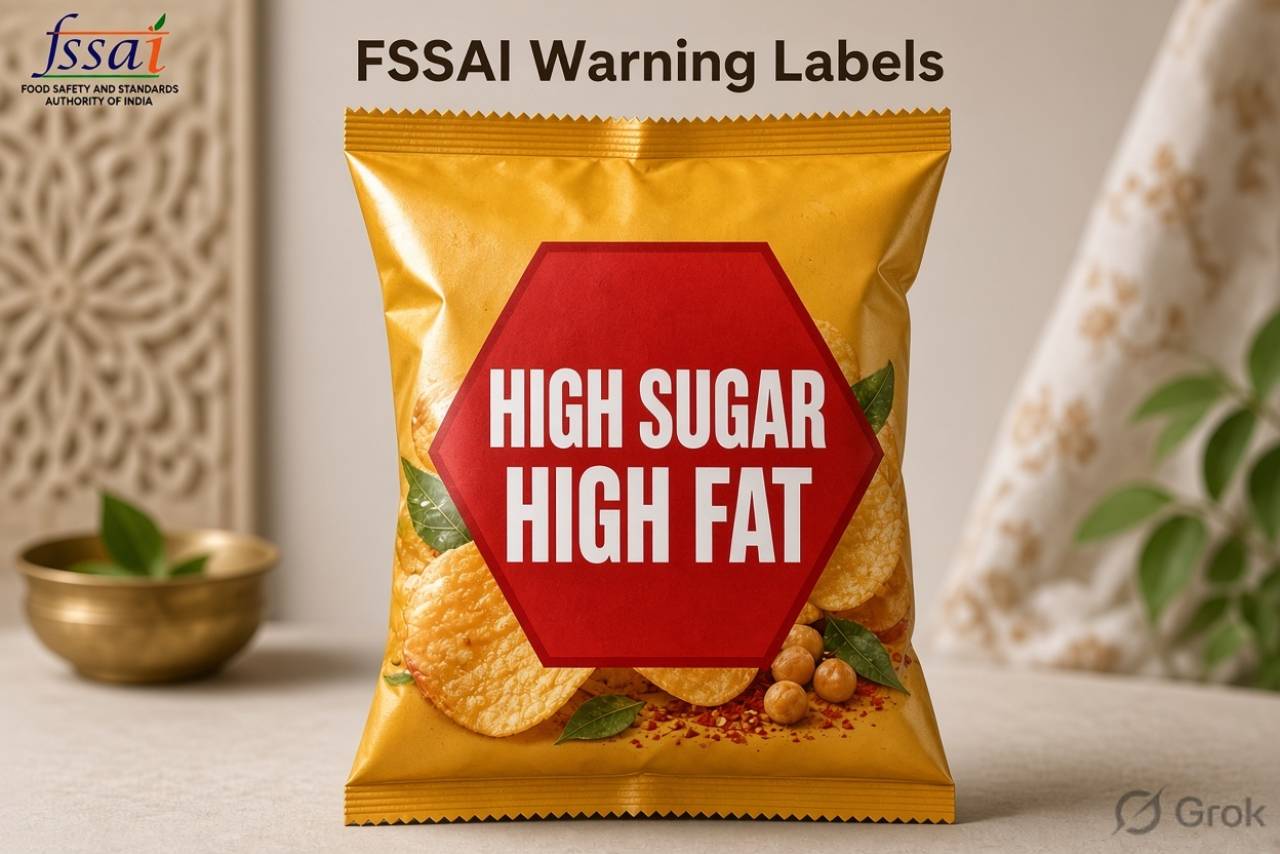
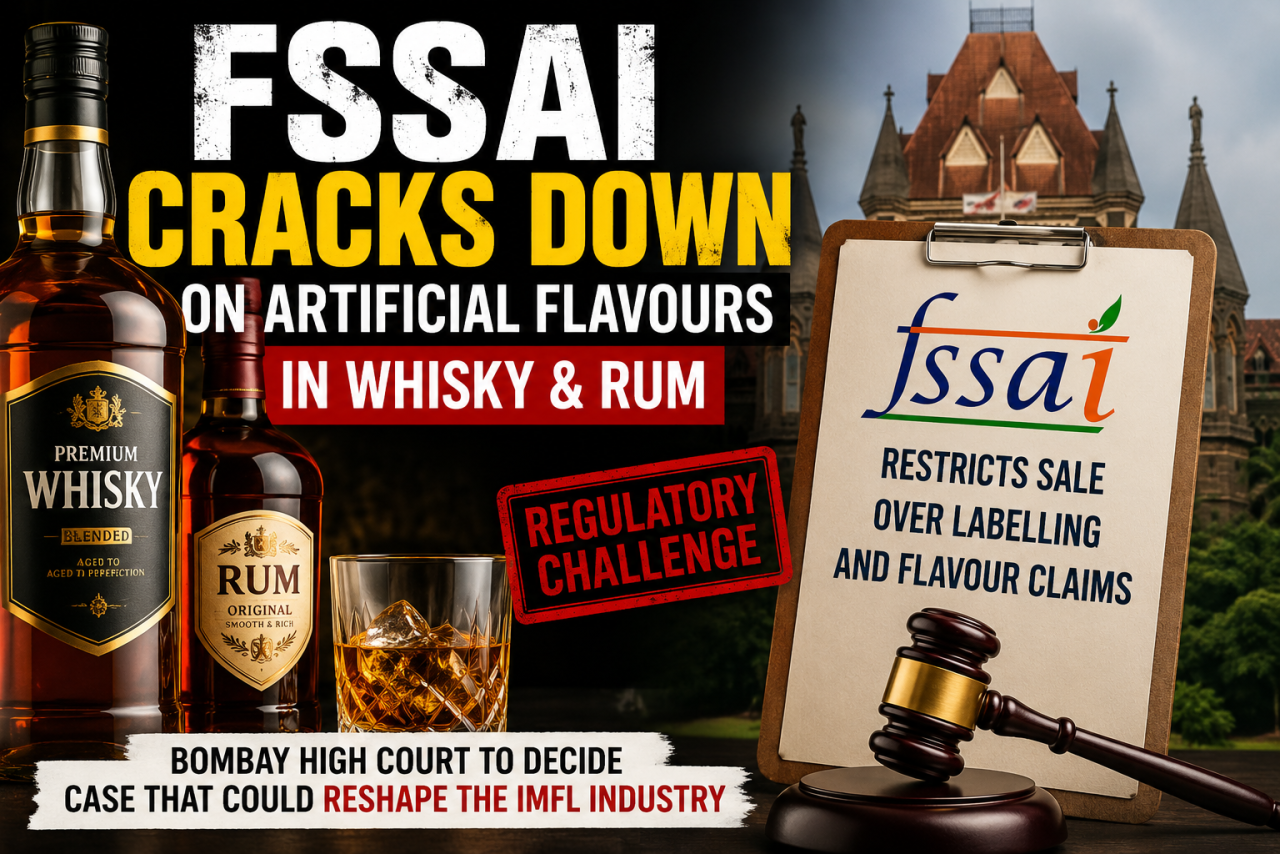
These revelations raise questions about regulatory oversight in India. The Food Safety and Standards Authority of India (FSSAI) is responsible for ensuring food safety and protecting consumer interests. Following the report, FSSAI has sought detailed information from international regulatory agencies. However, critics argue that the response has been slow, despite the availability of data and global scrutiny.
The issue is not limited to baby food. Recently, food regulators in Hong Kong and Singapore banned certain Indian-made spice products after detecting ethylene oxide, a chemical classified as carcinogenic. The European Food Safety Authority (EFSA) has reported the presence of this chemical in 527 Indian food products between 2020 and 2024. These repeated findings point to gaps in quality control and enforcement.
Another ethical concern relates to the promotion of breast milk substitutes. Global and Indian health authorities recommend exclusive breastfeeding for the first six months after birth. Despite this, aggressive marketing of infant formula and processed baby food continues, often targeting new parents through misleading health claims.
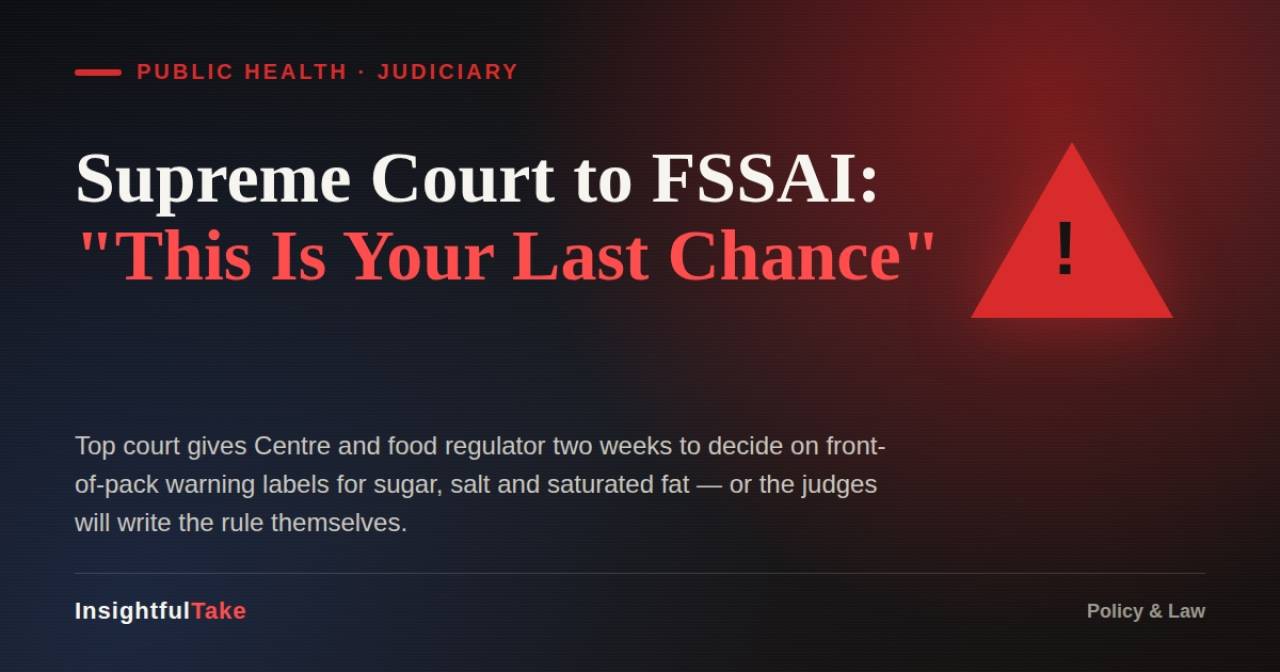
In India, accountability often depends on judicial intervention. The Supreme Court recently directed Patanjali to issue a public apology for misleading advertisements related to health products. Such cases highlight the absence of strong self-regulation within the industry.
Consumer awareness remains limited. With a population of over 1.4 billion and a literacy rate of 77.7%, many people still struggle to understand food labels. Language barriers further reduce access to critical information. Surveys indicate that only about 30% of Indians can speak English, the language in which most labels and disclaimers are written.
Unless regulators act more decisively and companies adopt ethical practices, such issues are likely to continue. Protecting public health requires responsibility from both industry and institutions, not just court orders after the damage is done.













Leave a Comment