
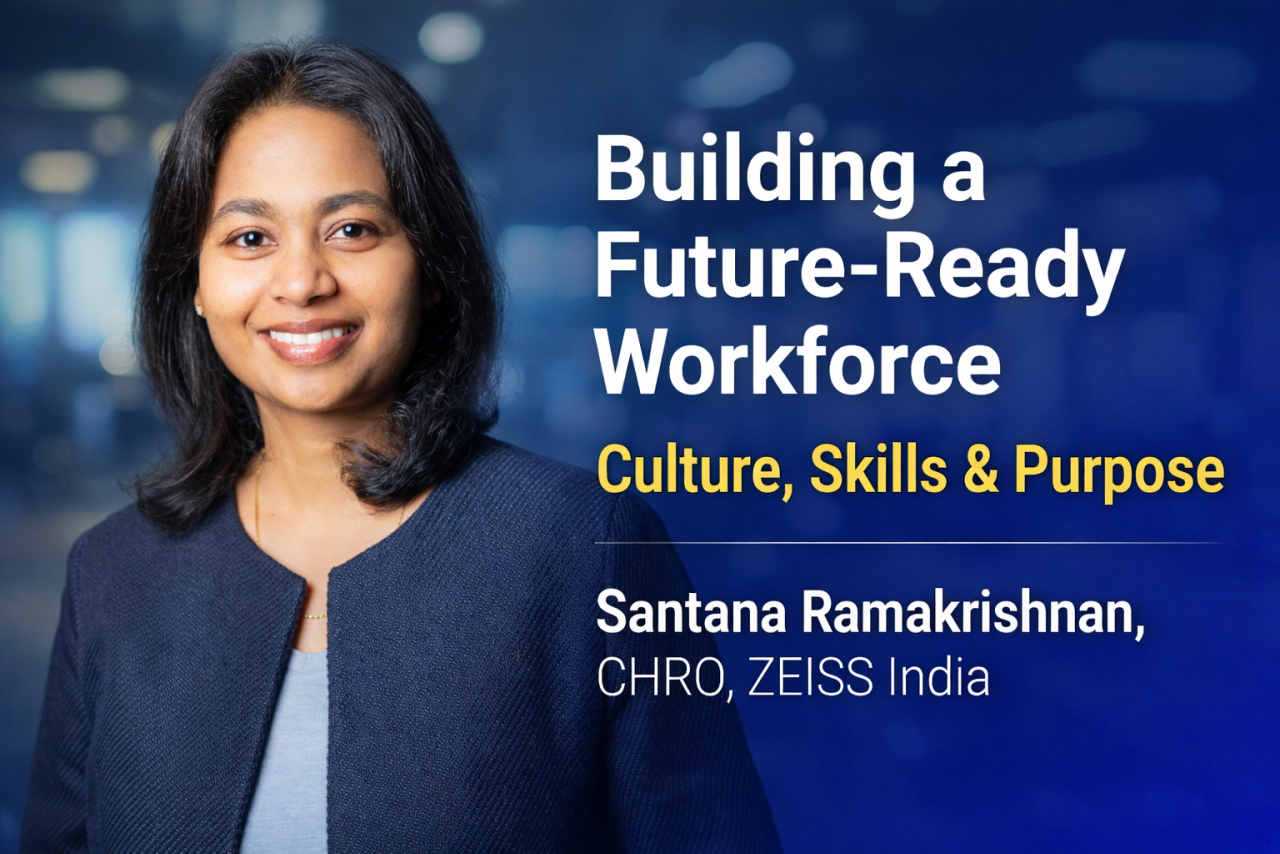
The landscape of talent management is undergoing a profound transformation. Traditional metrics such as experience, qualifications, and technical expertise, while important, are no longer sufficient to address the complexities of a fast-changing business environment.
Today, where industries are being reshaped by innovation, disruption, and emerging technologies, organizations must look beyond conventional measures of capability. A key requirement in today's dynamic environment is having colleagues who are dedicated to continuous learning, adapting to change, and striving for growth.
This shift emphasizes the need for agile, forward-thinking individuals who possess not only technical skills but also the ability to embrace change, develop new competencies, and thrive in uncertain conditions. For businesses, cultivating a workforce that prioritizes adaptability, and continuous learning is becoming the cornerstone of sustained success in an ever-evolving marketplace.
Aligning Growth with Business Purpose
The future of talent strategy will be defined not by how quickly organizations acquire skills but by how effectively they cultivate them. Companies that thrive will be those where change inspires confidence and excitement where employees think, “I can grow through this.” Therefore, fostering a learning environment is just the beginning. Reinforcing a skills-based career path that strengthens core skills and pivots, when necessary, to accommodate emerging skill requirements will be the antidote to an evolving landscape.
Aligning individual growth with organizational priorities builds resilience that extends beyond market cycles. Talent is not static; it evolves when nurtured, invested in, and trusted. Organizations that succeed will be those that empower their people, create pathways for growth, and foster a culture where potential is recognized and developed. This alignment between individual growth and business purpose will dictate shorter and intentional learning cycles with meaningful growth and deployment opportunities.
Nurturing Future-Ready Skills
Reskilling and upskilling have evolved from being mere training initiatives to becoming strategic necessities in today’s dynamic business environment. At their core, these efforts are about empowering employees to navigate new challenges with confidence and adaptability. By committing to building fresh capabilities and enhancing existing skills, organizations not only prepare their workforce for the future but also send a clear message: We are invested in your ability to evolve and grow.
This often serves as a catalyst for transformation. Employees begin to view challenges as opportunities and develop the resilience needed to step into unfamiliar roles. Internal mobility further reinforces this transformation. Many successful leaders have grown through diverse career paths, gaining exposure to different functions, geographies and challenges. These experiences not only uncover hidden strengths but also accelerate leadership development and broaden organizational perspectives. For businesses, internal mobility strengthens leadership pipelines, enhances business continuity, and fosters a culture of trust and growth.
The Foundation for Sustainable Growth
While skills and mobility are critical, they can only thrive within a supportive organizational culture. Employees need assurance that their ambitions are recognized and that taking risks will be encouraged rather than penalized.
Managers play a pivotal role in shaping this culture. Their actions can either constrain talent for short-term gains or cultivate it by encouraging movement, providing coaching, and recognizing progress. When managers prioritize growth, they build trust as a foundational element for learning and innovation.
Creating this environment requires deliberate effort. Programs, frameworks, and tools are important, but will face execution obstacles in the absence of manager effectiveness. The role of the manager is pivotal to cascading the learning culture while reinforcing the organizations commitment to creating platforms that enable exploration and opportunities and embedding the belief that potential is valued as much as experience.
The Role of Talent Leadership
The mandate is clear to create a workplace where growth is not only an opportunity but a shared purpose. By investing in people, enabling internal mobility, and fostering a culture of trust, talent leaders can position their organizations as resilient, future-ready, and purpose-driven.
The organizations that thrive in the future will be those that empower their people to adapt, evolve, and excel because when individuals grow, businesses flourish. This is the foundation of enduring success. As talent leaders, our role is to ensure that growth is embedded in the fabric of our organizations. By aligning talent strategies with business objectives and fostering a culture of continuous learning, we can build organizations that are not only prepared for the future but capable of shaping it.
To lead with purpose, invest in potential, and create workplaces where people and businesses grow together is incontrovertible to strategic talent leadership.
By Santana Ramakrishnan
CHRO, ZEISS India




















Leave a Comment