
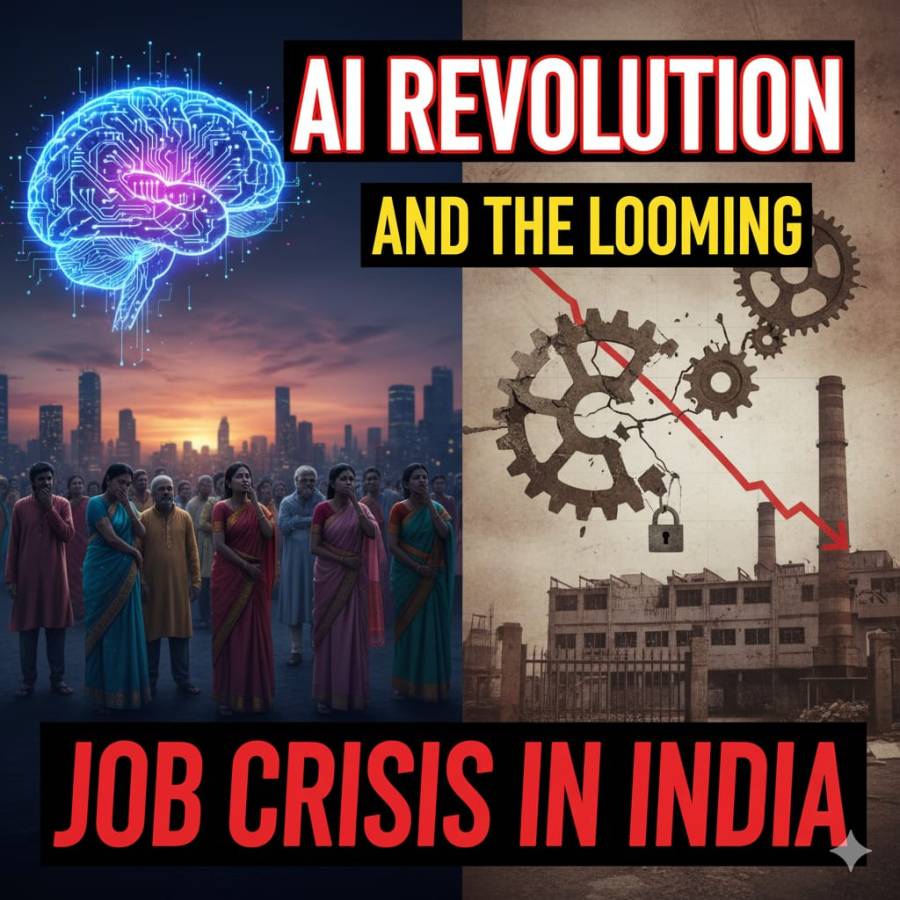
The world is standing at the edge of a new technological era powered by artificial intelligence. What once seemed like science fiction has now become a boardroom strategy. Amazon’s recent decision to cut 14,000 corporate jobs as it invests heavily in AI is not an isolated incident. It reflects a growing global trend where automation is replacing human labor at a pace faster than many can comprehend. While AI promises innovation, efficiency, and growth, it is also quietly rewriting the future of employment, especially in a country like India where human skill has long been the driving force of economic progress.
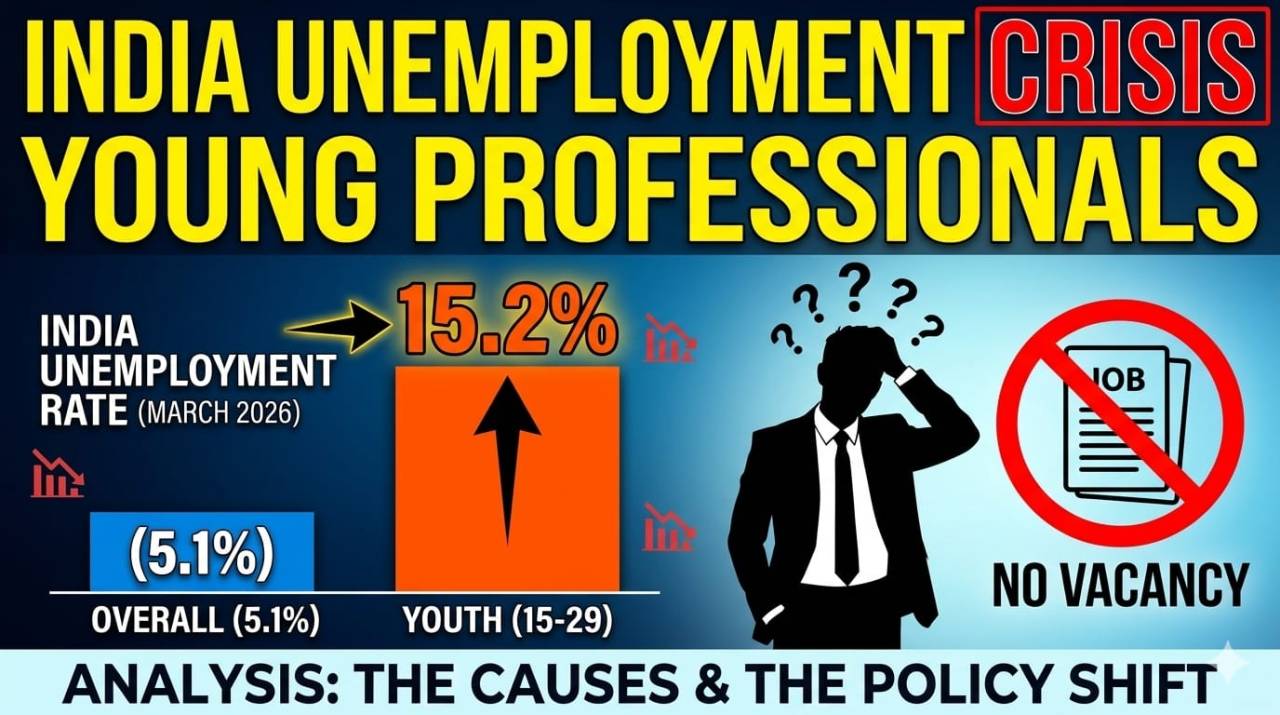
Over the last few years, AI has started automating jobs that were once considered secure. Tasks such as data entry, customer service, content writing and even basic software development are now being handled by intelligent systems that work faster, cheaper, and more accurately than humans. India’s service sector, particularly IT and outsourcing, is feeling the tremors. The sector employs millions of young professionals, many of whom are realizing that their roles are increasingly being handled by algorithms.
The real concern is that AI is no longer limited to repetitive or mechanical work. It is entering creative and cognitive areas too. Writers now compete with AI-generated content, designers with automated art tools, and teachers with smart tutoring platforms that adapt to each student. For India, this trend means an expanding skills gap. Those who can adapt to AI-driven tools may thrive, but many who cannot will face an uncertain future.
According to a recent NASSCOM report, nearly 60 percent of professionals in India’s IT industry will need significant reskilling in the next five years to stay employable. Despite this, the response to reskilling has been slow. Many mid-career employees fear redundancy, not because they lack talent, but because their skills are becoming obsolete. For them, learning AI-related skills has become a matter of survival rather than ambition.
The impact of AI is also being felt in India’s growing gig economy. Freelancers who once earned comfortably through online platforms are now competing with AI tools that deliver quicker results at minimal costs. Whether it is logo design, content writing, or data analysis, automation has entered every corner of the digital marketplace. As a result, many independent workers are watching their income shrink as clients turn to AI-powered alternatives.
The issue is not with AI itself but with the speed at which it is transforming the world of work. Countries like the United States are already creating frameworks for AI ethics, reskilling programs, and workforce adaptation. India, despite being home to a thriving tech ecosystem, has yet to build strong policies that can prepare its workforce for this change. Without timely government and industry intervention, AI could deepen unemployment and widen income inequality.
The rise of artificial intelligence cannot be stopped, but its consequences can be managed. The future will belong to those who learn to collaborate with machines rather than compete against them. India must act decisively by investing in education, digital training, and responsible technology use. The challenge is not to stop the AI revolution, but to ensure that it works for humanity instead of replacing it.






















Leave a Comment