

India is quietly rewriting the rules of higher education. Not through dramatic announcements alone, but through a slow and deliberate shift in how learning, governance and opportunity are being understood in a country with one of the world’s largest student populations. What is unfolding today is not merely an education reform cycle, but a deeper rethink of what universities are meant to do in the 21st century.
For decades, Indian higher education operated within rigid structures. Universities were largely judged by legacy, regulatory compliance and examination outcomes. That model, while successful in producing scale, struggled to keep pace with global innovation, interdisciplinary learning and the realities of a rapidly changing job market. The pressure to change has now become impossible to ignore.
At the centre of this transformation lies the National Education Policy 2020, which continues to act as a catalyst rather than a finished blueprint. Its emphasis on flexibility, autonomy and outcome-based learning signals a move away from one-size-fits-all education. Universities are being encouraged to design curricula that reflect local strengths while meeting global standards, a balance India has long struggled to achieve.
Technology has emerged as both a driver and a test of this transition. Digital platforms have expanded access to learning, particularly after the pandemic, but they have also exposed gaps in infrastructure and digital literacy. The future of Indian education will not be defined by online learning alone, but by how intelligently technology is blended into classrooms, assessments and research ecosystems. Used well, it can democratise learning. Used poorly, it risks deepening existing inequalities.
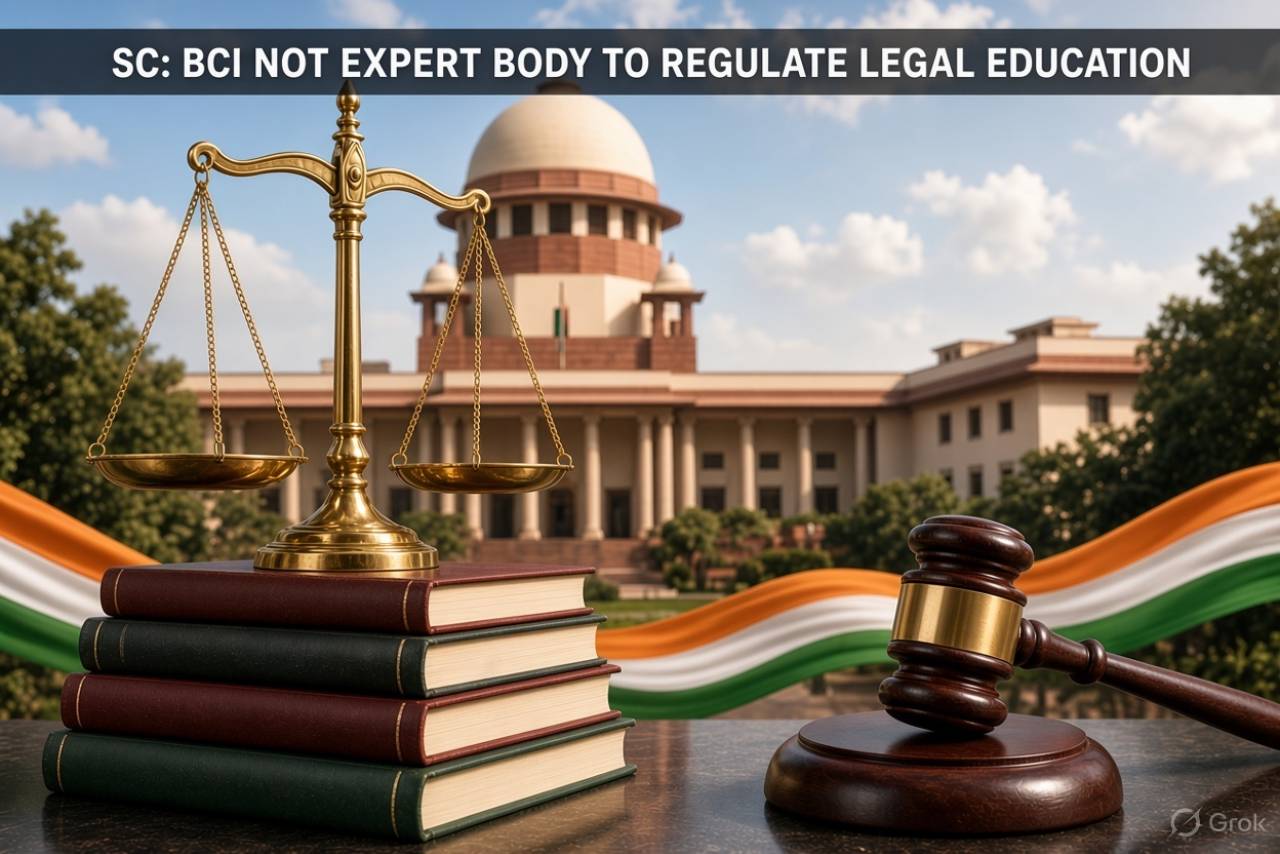
Another major shift underway is in how higher education is governed. The move towards a single, streamlined regulatory framework reflects a growing recognition that excessive oversight can stifle innovation. The proposed restructuring of regulatory bodies aims to grant universities greater academic autonomy while holding them accountable for outcomes rather than procedures. If implemented carefully, this could allow institutions to respond faster to emerging disciplines, industry needs and global research collaborations.
Yet, reform on paper does not automatically translate into change on campus. Institutional culture remains one of the hardest barriers to cross. Faculty training, curriculum redesign and assessment reform require time, investment and a willingness to break away from familiar methods. For students, this transition brings both opportunity and uncertainty. Greater choice and flexibility also demand clearer guidance and stronger support systems.
The role of states in this evolving landscape is becoming increasingly important. Education in India is not governed from New Delhi alone. Urban challenges, regional skill demands and local employment patterns differ widely across states. Effective reform will depend on how well national vision aligns with state-level implementation. This cooperative approach may ultimately decide whether reforms reach classrooms or remain confined to policy documents.
Perhaps the most significant question facing Indian education today is one of purpose. Are universities meant only to supply the workforce, or do they also carry a responsibility to nurture critical thinking, civic awareness and social mobility? As India positions itself as a global knowledge economy, this question becomes central. Institutions that focus solely on employability risk becoming obsolete as industries evolve. Those that combine technical skills with adaptability, ethics and creativity are more likely to endure.
Inclusivity is another defining challenge. Expanding access to higher education is no longer enough. The focus is shifting towards ensuring quality learning experiences for students from diverse social and economic backgrounds. This includes rethinking admissions, language of instruction, mentorship structures and campus ecosystems. True inclusion goes beyond numbers; it shapes who feels empowered to participate and succeed.
What makes the current moment distinctive is the convergence of policy intent, technological capability and demographic urgency. India’s youth population offers an unprecedented advantage, but only if education systems are responsive to their aspirations. Universities that fail to adapt risk widening the gap between education and employability, between degrees and dignity.
The road ahead for Indian education will not be linear. There will be resistance, missteps and course corrections. But the direction is becoming clearer. The future belongs to institutions that are agile, student-centric and globally connected, yet rooted in local realities.
India is no longer debating whether its education system must change. That question has already been answered. The challenge now lies in how thoughtfully, how inclusively and how honestly this transformation is carried forward.






















Leave a Comment