
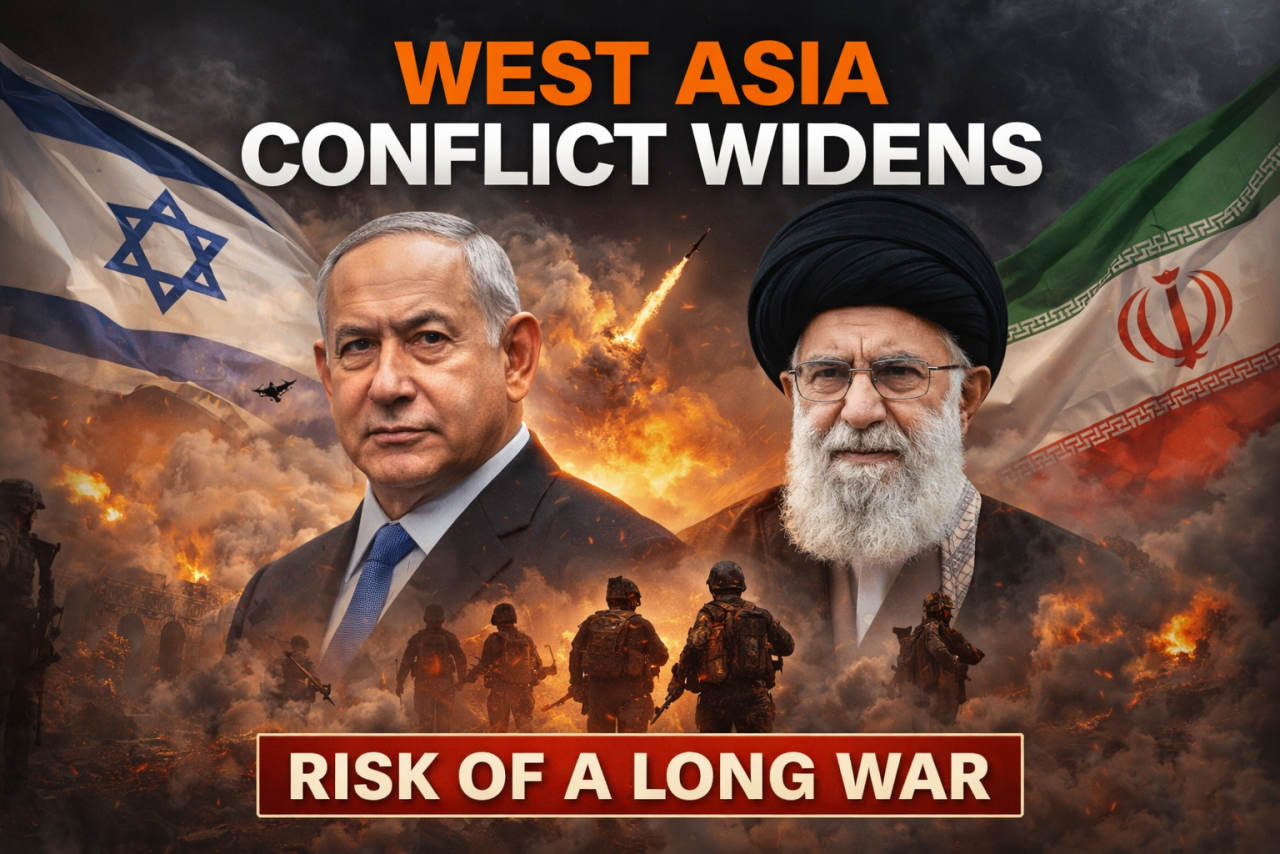
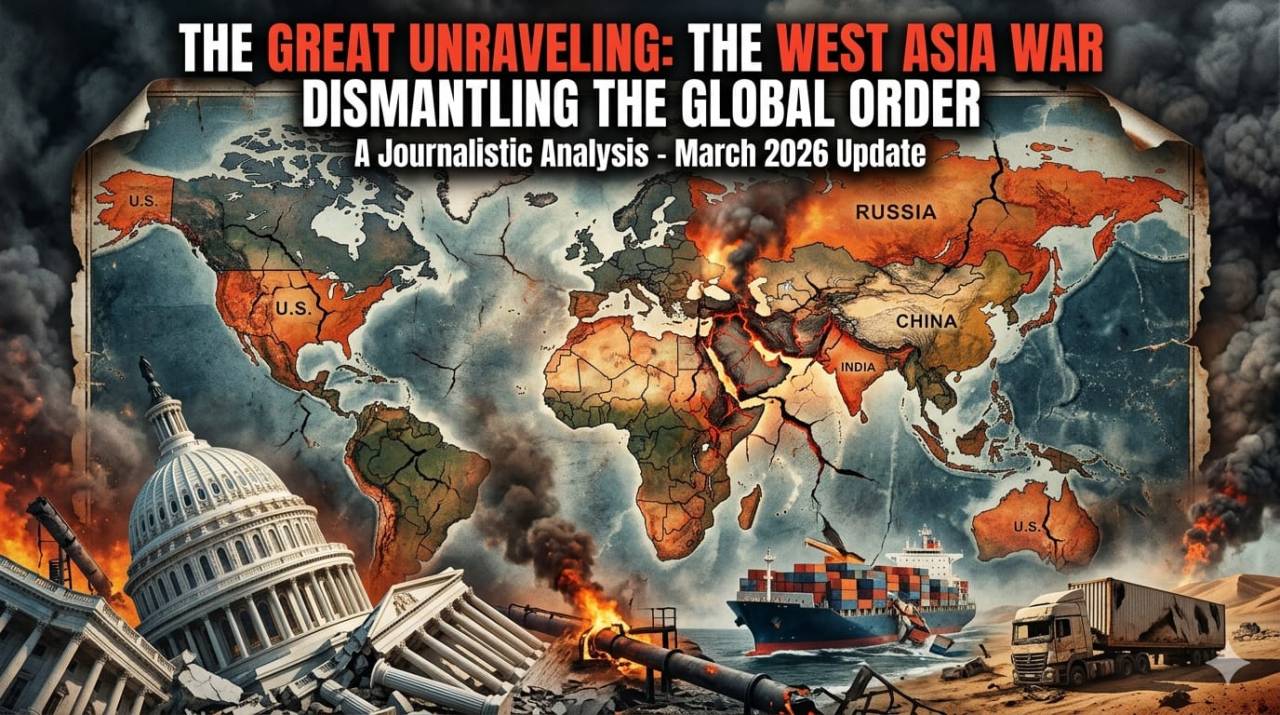
War in West Asia is no longer confined to one battlefield. As rival powers test each other through proxies, missiles, and political pressure, the region appears to be sliding toward a prolonged confrontation whose consequences could reshape global security.
The turbulence engulfing West Asia today is no longer a series of isolated confrontations. What once appeared as localised military exchanges has gradually evolved into a wider regional confrontation with no clear end in sight. From Israel’s continuing military campaigns to tensions involving Iran, militant groups, and regional powers, the conflict has become a complex web of political rivalry, ideological struggle, and strategic competition.
The widening nature of the conflict is perhaps its most alarming feature. Earlier wars in the region often remained confined to specific borders or short bursts of military escalation. Today’s conflict, however, cuts across multiple theatres — from Gaza and Lebanon to the Red Sea and parts of the Gulf. Each new escalation risks pulling additional actors into the crisis, making de-escalation increasingly difficult.
At the centre of the turmoil is Israel’s confrontation with armed groups aligned with Iran. Israel views these groups as part of a larger strategic threat orchestrated by Tehran to encircle and weaken it. For Iran, however, supporting such groups serves as a means of extending influence across West Asia while avoiding direct military confrontation with Israel or the United States.
This indirect style of warfare — often described as a “shadow conflict” — has defined the region for years. What makes the present moment different is the intensity and simultaneity of the confrontations. Rocket exchanges across borders, drone attacks on shipping routes, and targeted strikes against military installations have turned multiple frontlines active at the same time.
Such developments have profound implications not only for regional security but also for global stability. West Asia sits at the crossroads of international trade and energy supply. Any prolonged conflict threatens shipping routes and oil markets, creating ripple effects for economies far beyond the region.
Another dimension of the crisis lies in the internal pressures faced by many states in the region. Governments must balance security concerns with domestic political realities. In several countries, public sentiment over the humanitarian consequences of war has intensified political debates, further complicating diplomatic manoeuvres.
For Israel, the strategic challenge is particularly acute. While military strength allows it to respond forcefully to threats, a purely military solution may not guarantee long-term security. Prolonged conflict risks exhausting resources, straining alliances, and deepening political divisions within Israeli society itself.
Iran, meanwhile, appears to be pursuing a long-term strategy of strategic pressure rather than outright confrontation. By supporting allied groups across multiple locations, Tehran can maintain influence while keeping the battlefield dispersed. This approach allows it to challenge Israel and its allies without triggering a full-scale conventional war.
The United States remains a crucial actor in the evolving equation. Washington’s presence in the region has traditionally acted as a stabilising force, deterring major interstate wars. Yet the current situation tests the limits of American influence. While the U.S. continues to support its allies and safeguard maritime routes, it also faces the delicate task of preventing escalation into a broader regional war.
Beyond geopolitics, the humanitarian cost of the conflict continues to mount. Civilian populations bear the brunt of military operations, displacement, and economic disruption. Infrastructure damage, shortages of essential goods, and psychological trauma deepen the region’s already fragile social fabric.
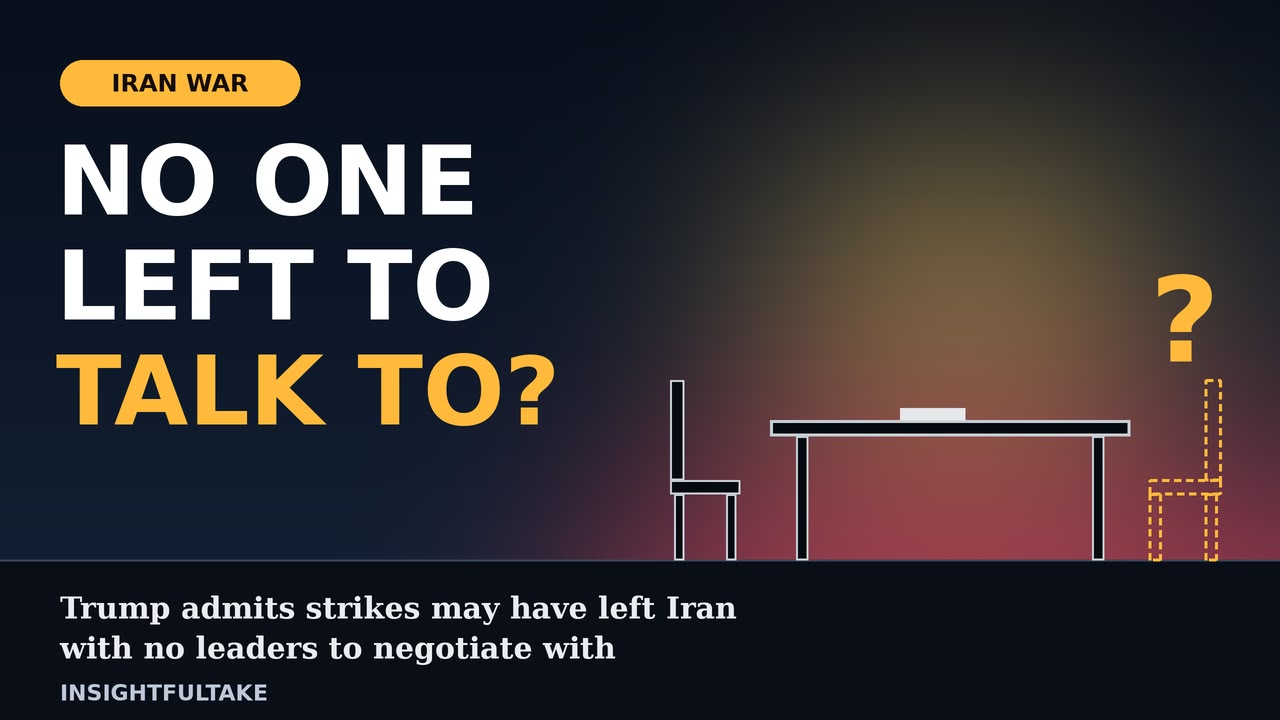
Diplomacy, although frequently discussed, has so far struggled to gain momentum. Peace negotiations often falter because the underlying disputes — territorial claims, ideological rivalries, and security fears — remain unresolved. Without addressing these root causes, ceasefires risk becoming temporary pauses rather than pathways to peace.
Observers increasingly warn that West Asia may be entering an era of prolonged instability rather than a single definable war. Instead of decisive battles, the region could witness cycles of escalation and retaliation that continue for years. Such a pattern would keep tensions permanently high while preventing any meaningful political settlement.
Yet history also suggests that prolonged crises sometimes create opportunities for new diplomatic frameworks. Regional powers, international mediators, and multilateral institutions could eventually play a role in shaping a broader security arrangement for West Asia — one that acknowledges the interests of competing actors while reducing the likelihood of open warfare.
For now, however, the trajectory remains uncertain. Each military strike, each retaliatory attack, and each political miscalculation pushes the region further from stability.
West Asia’s widening conflict is therefore not merely another chapter in the region’s long history of wars. It is a warning that the existing political order is under strain. Unless new mechanisms of dialogue and cooperation emerge, the region risks drifting into a prolonged confrontation whose consequences will be felt far beyond its borders.


















Leave a Comment