
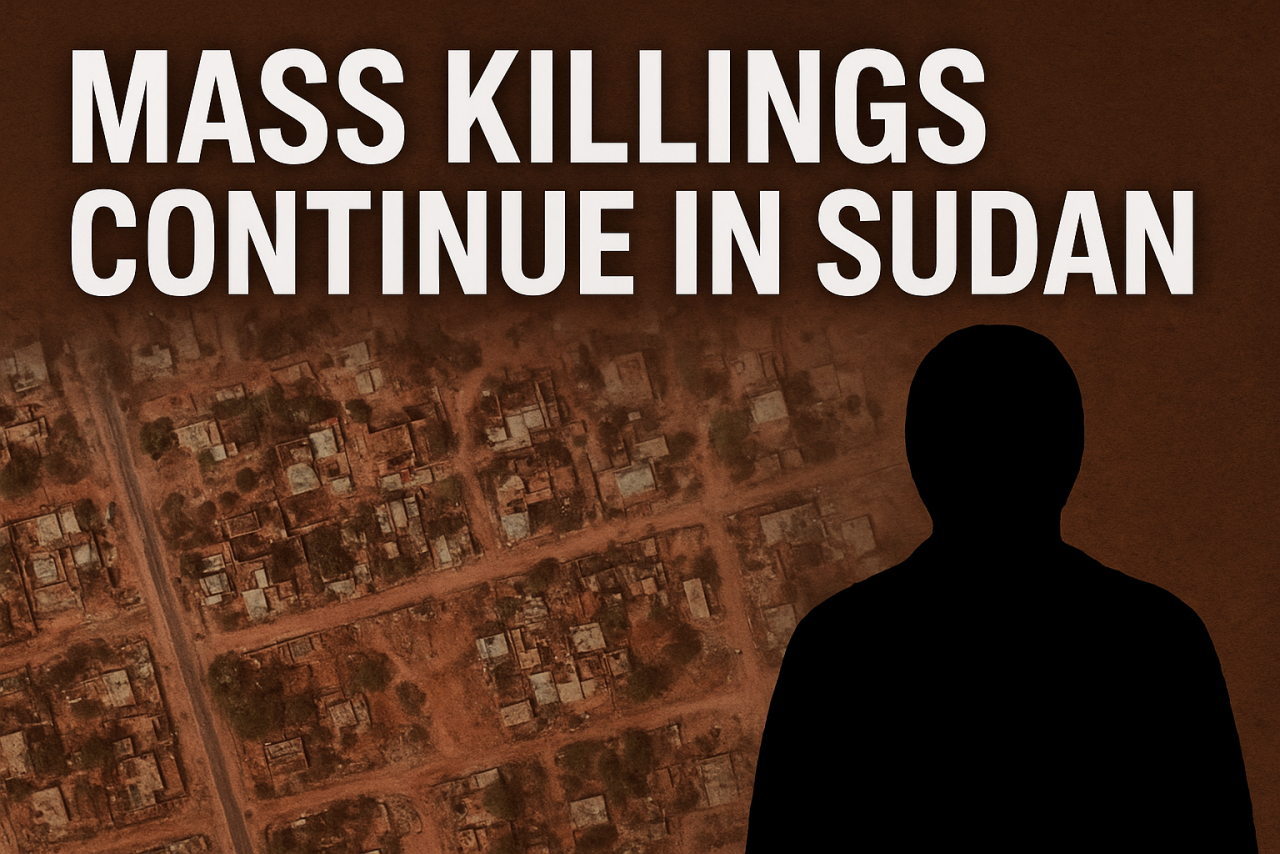
In Sudan, a humanitarian catastrophe is unfolding in near silence. The city of El-Fasher, once a bustling urban center in North Darfur, has become the epicenter of one of the world’s most horrific crises. Satellite images analyzed by Yale University’s Humanitarian Research Lab and reports from survivors paint a grim picture of widespread violence, death, and despair. With much of the population now dead, displaced, or in hiding, El-Fasher stands as a tragic symbol of a conflict that shows no sign of abating.
According to the latest findings, satellite imagery suggests that mass killings are still taking place in and around El-Fasher. The Rapid Support Forces (RSF), a powerful paramilitary group, seized control of the city after months of fierce fighting. The battle for El-Fasher, which intensified in recent weeks, marks one of the deadliest chapters in Sudan’s ongoing civil war. The images reveal large areas that were once densely populated but now appear eerily deserted, a visual testament to the scale of human loss.
Germany’s Foreign Minister, Johann Wadephul, described the situation as “apocalyptic,” calling it the world’s greatest humanitarian crisis. His words echo the growing alarm among global observers who fear that the atrocities in Sudan have reached genocidal proportions. The United Nations estimates that over 65,000 people have fled El-Fasher in recent months. Yet tens of thousands more remain trapped, cut off from aid and communication.
Since the fall of the city, harrowing accounts have emerged from survivors. Witnesses report summary executions, sexual violence, the targeting of aid workers, and rampant looting. Entire families have been massacred, with children reportedly shot before their parents. Those who managed to escape to nearby towns such as Tawila tell of civilians being beaten, abducted, and robbed as they fled.
The Yale research team analyzed satellite images taken as recently as Friday and found no signs of large-scale civilian movement. This lack of activity, they said, strongly suggests that most of the remaining population is either dead, detained, or hiding. The team’s report stated that “indicators that mass killing is continuing are clearly visible.”
The conflict in Sudan erupted in April 2023, when tensions between the Sudanese Armed Forces and the Rapid Support Forces escalated into full-scale war. What began as a political power struggle has since devolved into a nationwide humanitarian disaster. Over the past 18 months, fighting has devastated major cities, forced millions from their homes, and crippled basic services such as healthcare and food supply.
El-Fasher holds strategic and symbolic significance. It is the last major urban center in Darfur not fully under RSF control, and its fall has effectively sealed off large parts of the region from humanitarian assistance. The Saudi hospital in El-Fasher, once a vital lifeline for civilians, now lies surrounded by destruction, with satellite images indicating little to no civilian activity nearby.
Humanitarian agencies have repeatedly warned that Sudan is on the brink of famine. The war has displaced more than nine million people, making it the world’s largest displacement crisis. Yet, despite the staggering scale of suffering, global attention remains limited. Aid convoys are often looted or blocked, and international relief organizations face immense challenges in reaching those in need.
At a recent conference in Bahrain, diplomats called for urgent global action to halt the atrocities and provide safe corridors for humanitarian aid. However, with communication networks down and many regions inaccessible, gathering accurate data or coordinating assistance has become nearly impossible.
The world cannot afford to look away. The situation in El-Fasher is not merely a local tragedy; it is a test of global conscience. The evidence of continuing mass killings and systemic atrocities demands a coordinated international response—one that prioritizes the protection of civilians and holds perpetrators accountable.
As the people of Sudan continue to suffer in silence, the need for global awareness and decisive intervention grows more urgent by the day. The images from El-Fasher are more than satellite data—they are a desperate plea for humanity to act before an entire population disappears into the shadows of war.

























Leave a Comment