
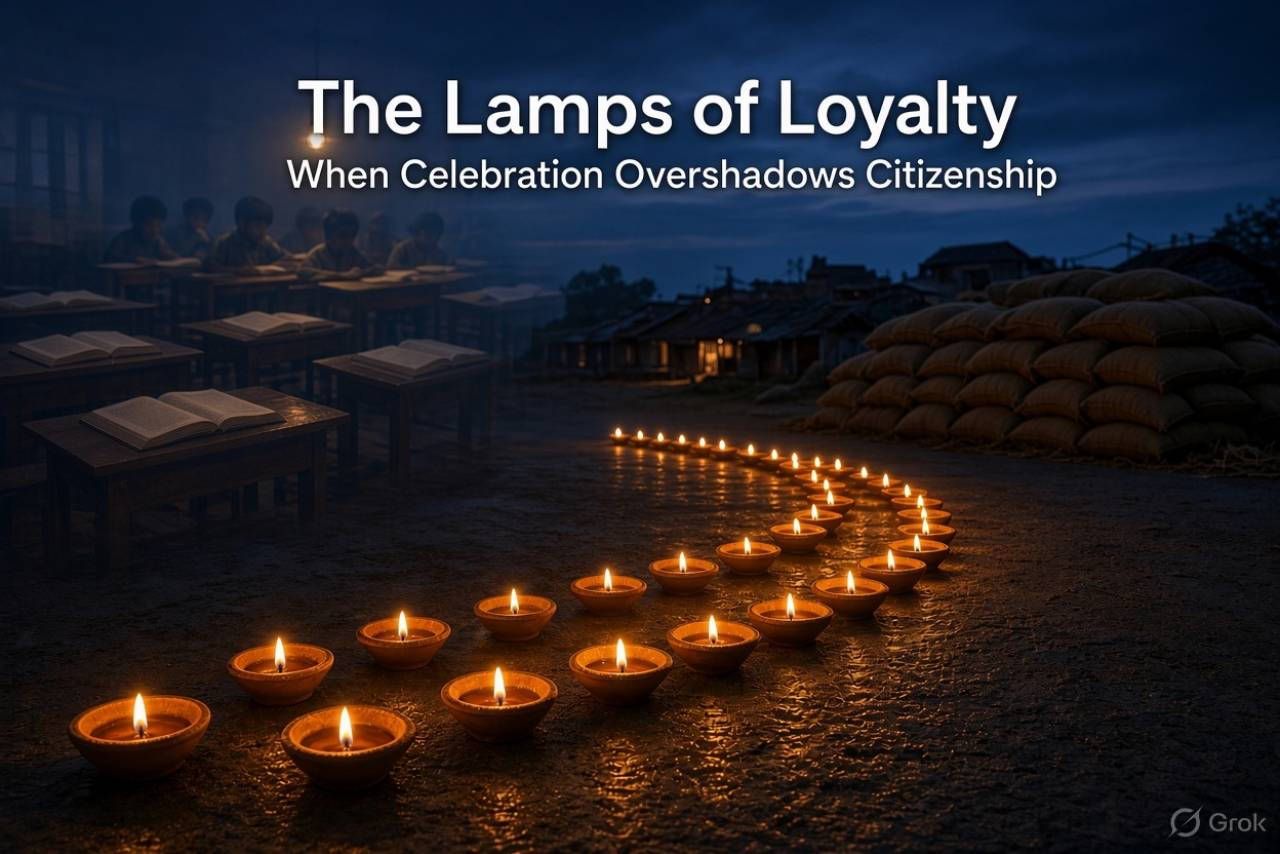
Millions of diyas lit for PM Modi’s birthday created a spectacular national image. But when celebration enters public institutions, democracy must ask where loyalty ends and citizenship begins.
On September 17, 2026, as Prime Minister Narendra Modi turned 76, large parts of India glowed with earthen lamps. In Madhya Pradesh alone, officials claimed 3.55 crore diyas were lit, with Ujjain setting a reported world record of more than 33 lakh lamps along the Shipra. Gujarat planned more than 88 lakh lamps across 18,500 locations, while Delhi illuminated Kartavya Path with 1.25 lakh diyas.
Similar spectacles unfolded in other BJP-ruled states and cities. Framed as “Aashirwad Ka Diya”, or lamps of blessing, the celebrations were organised under the party’s Seva Sankalp Abhiyan, marking both Modi’s birthday and 25 years of his public life. Blood donation camps, bike yatras and welfare outreach accompanied the lamp-lighting events.
The visuals were striking. Riversides, public spaces and historic avenues were transformed into seas of flickering flame.
Yet the spectacle invites a harder question: In a democracy, what does it mean when the state organises mass ritual around the birthday of one living leader?
India has long celebrated its freedom fighters, national achievements and constitutional ideals through public events. Lighting lamps for a sitting prime minister on such a large scale, particularly when schools, government offices or local administrations are involved, enters a different political register.
It risks turning political support into something resembling personal devotion.
Critics of the trend have long warned about the personalisation of political power. When a leader’s health and longevity become the explicit object of collective prayer, and when administrative energy is mobilised to organise public homage, the boundary between democratic politics and a personality-centred political culture can become blurred.
This is not an argument against gratitude or affection. Leaders who deliver results can and do earn popular regard.
Modi’s governments have expanded India’s welfare architecture, including the free foodgrain programme that reaches roughly 80–81 crore people under the Pradhan Mantri Garib Kalyan Anna Yojana, now integrated with the National Food Security Act. It is among the world’s largest food security efforts and has provided an important buffer for millions of vulnerable households.
Acknowledging its scale is not partisan. It is factual.
The question lies elsewhere.
The Cost of Political Pageantry
India continues to face urgent and measurable deficits that require sustained attention and resources.
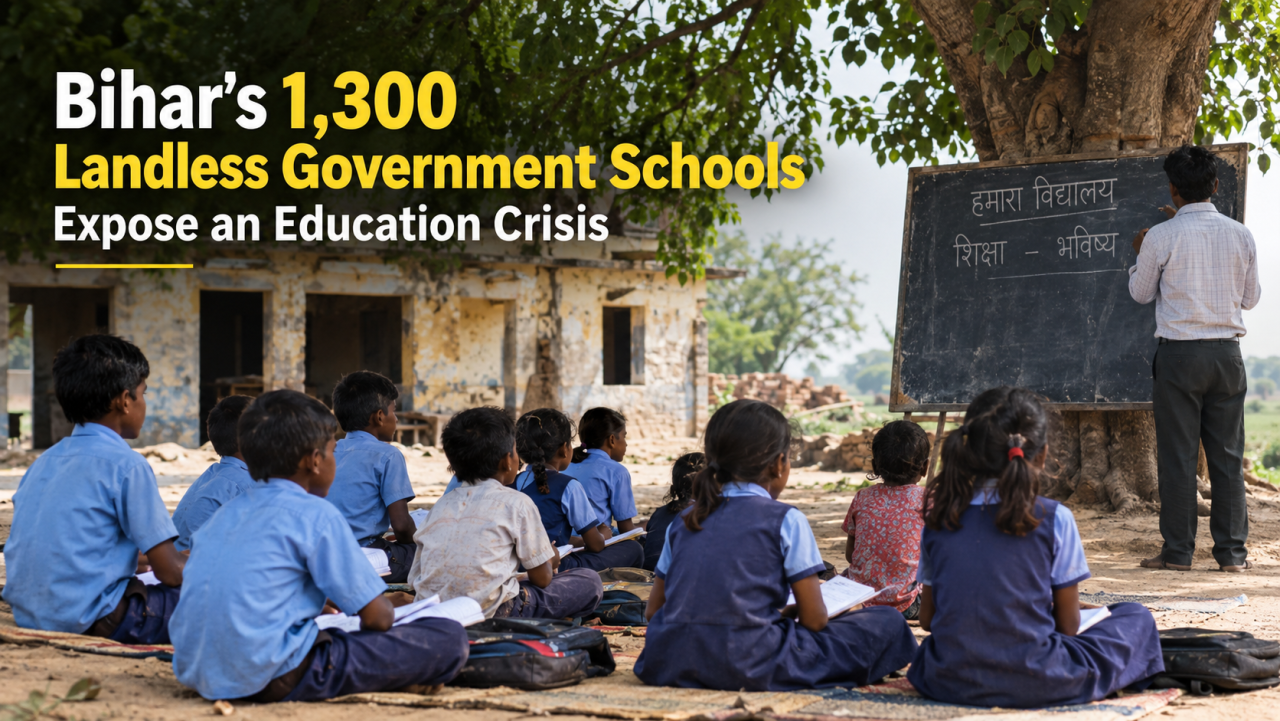
Learning outcomes in government schools remain uneven. Infrastructure gaps, teacher shortages and quality deficits persist across states. Public health systems face continuing pressure. Unemployment and underemployment, particularly among young people, remain structural challenges.
Floods, agrarian distress and urban inequality continue to impose significant human costs.
Against this backdrop, the use of administrative bandwidth and public resources for large-scale political celebrations raises a basic question of priorities.
The arithmetic of the lamps is revealing.
An individual earthen diya may cost very little. But procuring, transporting, distributing, placing and lighting tens of millions of lamps requires an extensive logistical operation. Add public events, security arrangements, publicity, electricity, municipal support and staff time, and the cumulative cost becomes much larger.
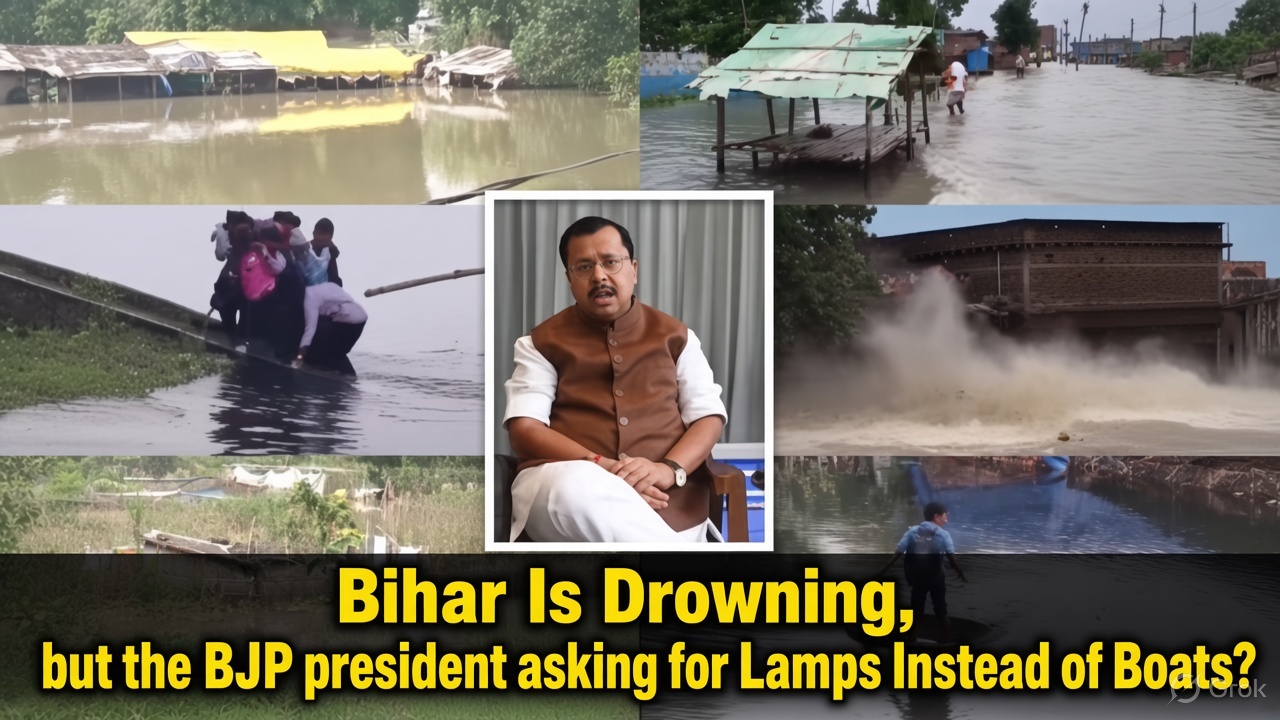
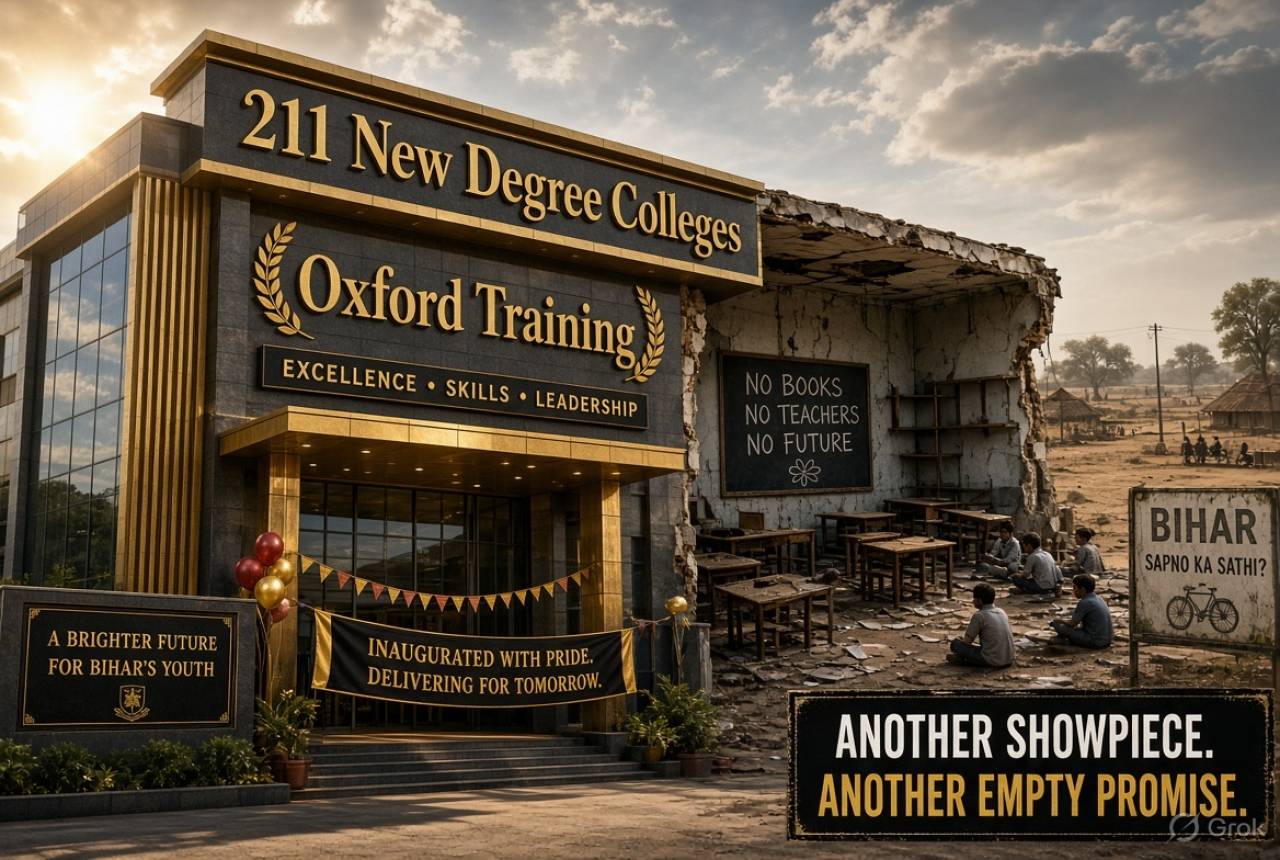
In Bihar, opposition leaders alleged significant expenditure on such celebrations even as flood-affected populations required relief. Reports also indicated directions for schools and government offices to participate in lamp-lighting activities.
The precise total expenditure on these celebrations has not been comprehensively itemised in public statements. Therefore, claims about the exact amount that could otherwise have been spent on education or relief should be treated cautiously.
But the broader opportunity-cost argument remains relevant.
State education budgets run into thousands of crores annually. Even a relatively small diversion of funds or administrative capacity toward classrooms, teacher training, learning materials, foundational literacy and numeracy programmes could have a more direct connection with long-term public welfare.
Welfare and the Politics of Celebration
There is an uncomfortable contrast here.
The government rightly highlights the scale of welfare programmes reaching around 80 crore people. Free foodgrain can protect vulnerable families from hunger and economic shocks.
But welfare delivery and political pageantry serve fundamentally different purposes.
One addresses material need.
The other creates political imagery.
A democratic government can do both, but the balance matters. When public institutions appear to devote significant energy to celebrating the personal milestone of a sitting leader, citizens are entitled to ask whether public resources are being directed toward the highest-priority needs.
Democracy does not require austerity of public emotion.
It requires accountability in the use of public institutions.
From Institutions to Individuals
There is also a historical question worth considering.
Post-independence India generally placed greater emphasis on institutions, the Constitution and the collective struggle for freedom than on the public glorification of living political leaders. Personal political brands existed, but the institutional framework was expected to remain larger than any individual.
Contemporary politics has moved considerably toward leader-centric campaigning across party lines.
The concern, therefore, is not simply that one political leader is being celebrated. Political parties have every right to celebrate their leaders.
The concern is the scale and degree of official involvement.
When party workers, government departments, schools, municipal bodies and public spaces become part of a coordinated celebration around a living prime minister, the distinction between party activity and state activity becomes especially important.
That does not make India undemocratic overnight.
It does, however, raise questions about the democratic habit of keeping political power impersonal, temporary and accountable to institutions.
Celebration Is Not the Problem
There is nothing inherently wrong with citizens lighting lamps for a leader they admire.
Private citizens can celebrate birthdays. Political parties can organise voluntary programmes. Supporters can express gratitude and affection.
The difficulty begins when participation appears to acquire an official character or when administrative machinery becomes involved in a political celebration.
That distinction matters in a constitutional democracy.
Criticism of such practices is also part of democratic life. Citizens who question the use of public institutions are not necessarily opposing the leader or denying his achievements. Scrutiny is one of the mechanisms through which democratic power remains accountable.
A mature democracy should be able to acknowledge developmental achievements without turning political leaders into objects of collective devotion.
What Do Young Citizens Learn?
The deeper issue is cultural.
Repeated public spectacles that elevate one individual above the institutions that constrain political power can gradually change how citizens understand leadership.
Loyalty begins to be measured through the intensity of public tribute rather than the quality of governance.
Consider the message conveyed when schools participate in birthday celebrations while continuing to struggle with teacher shortages, infrastructure gaps or learning outcomes.
The symbolism matters.
Young citizens learn not only from textbooks but also from what public institutions choose to celebrate.
If the leader increasingly becomes the centre of public political life, there is a risk that the distinction between the leader, the government and the nation becomes less visible.
In a constitutional democracy, those three are not the same.
A prime minister is elected to exercise executive authority for a defined political term. The government is accountable to Parliament, courts, institutions and citizens. The nation belongs to its people, not to any individual leader or political party.
That distinction is fundamental.
The Light India Needs
India’s challenges remain concrete and urgent: learning poverty, health inequities, job creation, environmental stress and the unfinished task of delivering dignity and opportunity to the poorest citizens.
Free rations can help millions survive. They cannot, by themselves, build the human capital required for a modern economy.
Resources and administrative attention are finite.
Every public rupee and every hour of government effort should therefore invite a basic question: What does it deliver to citizens?
Lighting millions of lamps can produce extraordinary images. But images do not build classrooms, train teachers, create jobs or strengthen hospitals.
The lamps of September 17 will eventually go dark.
The deficits in schools, hospitals, employment and public infrastructure will remain.
Those problems deserve something more enduring than a spectacle.
They deserve the sustained light of public attention, institutional accountability and public resources.
A democracy should celebrate its leaders when citizens choose to do so.
But its brightest light should remain fixed on the citizens themselves.
On September 17, 2026, as Prime Minister Narendra Modi turned 76, large parts of India glowed with earthen lamps. In Madhya Pradesh alone, officials claimed 3.55 crore diyas were lit, with Ujjain setting a reported world record of more than 33 lakh lamps along the Shipra. Gujarat planned more than 88 lakh lamps across 18,500 locations, while Delhi illuminated Kartavya Path with 1.25 lakh diyas.
Similar spectacles unfolded in other BJP-ruled states and cities. Framed as “Aashirwad Ka Diya”, or lamps of blessing, the celebrations were organised under the party’s Seva Sankalp Abhiyan, marking both Modi’s birthday and 25 years of his public life. Blood donation camps, bike yatras and welfare outreach accompanied the lamp-lighting events.
The visuals were striking. Riversides, public spaces and historic avenues were transformed into seas of flickering flame.
Yet the spectacle invites a harder question: In a democracy, what does it mean when the state organises mass ritual around the birthday of one living leader?
India has long celebrated its freedom fighters, national achievements and constitutional ideals through public events. Lighting lamps for a sitting prime minister on such a large scale, particularly when schools, government offices or local administrations are involved, enters a different political register.
It risks turning political support into something resembling personal devotion.
Critics of the trend have long warned about the personalisation of political power. When a leader’s health and longevity become the explicit object of collective prayer, and when administrative energy is mobilised to organise public homage, the boundary between democratic politics and a personality-centred political culture can become blurred.
This is not an argument against gratitude or affection. Leaders who deliver results can and do earn popular regard.
Modi’s governments have expanded India’s welfare architecture, including the free foodgrain programme that reaches roughly 80–81 crore people under the Pradhan Mantri Garib Kalyan Anna Yojana, now integrated with the National Food Security Act. It is among the world’s largest food security efforts and has provided an important buffer for millions of vulnerable households.
Acknowledging its scale is not partisan. It is factual.
The question lies elsewhere.
The Cost of Political Pageantry
India continues to face urgent and measurable deficits that require sustained attention and resources.
Learning outcomes in government schools remain uneven. Infrastructure gaps, teacher shortages and quality deficits persist across states. Public health systems face continuing pressure. Unemployment and underemployment, particularly among young people, remain structural challenges.
Floods, agrarian distress and urban inequality continue to impose significant human costs.
Against this backdrop, the use of administrative bandwidth and public resources for large-scale political celebrations raises a basic question of priorities.
The arithmetic of the lamps is revealing.
An individual earthen diya may cost very little. But procuring, transporting, distributing, placing and lighting tens of millions of lamps requires an extensive logistical operation. Add public events, security arrangements, publicity, electricity, municipal support and staff time, and the cumulative cost becomes much larger.
In Bihar, opposition leaders alleged significant expenditure on such celebrations even as flood-affected populations required relief. Reports also indicated directions for schools and government offices to participate in lamp-lighting activities.
The precise total expenditure on these celebrations has not been comprehensively itemised in public statements. Therefore, claims about the exact amount that could otherwise have been spent on education or relief should be treated cautiously.
But the broader opportunity-cost argument remains relevant.
State education budgets run into thousands of crores annually. Even a relatively small diversion of funds or administrative capacity toward classrooms, teacher training, learning materials, foundational literacy and numeracy programmes could have a more direct connection with long-term public welfare.
Welfare and the Politics of Celebration
There is an uncomfortable contrast here.
The government rightly highlights the scale of welfare programmes reaching around 80 crore people. Free foodgrain can protect vulnerable families from hunger and economic shocks.
But welfare delivery and political pageantry serve fundamentally different purposes.
One addresses material need.
The other creates political imagery.
A democratic government can do both, but the balance matters. When public institutions appear to devote significant energy to celebrating the personal milestone of a sitting leader, citizens are entitled to ask whether public resources are being directed toward the highest-priority needs.
Democracy does not require austerity of public emotion.
It requires accountability in the use of public institutions.
From Institutions to Individuals
There is also a historical question worth considering.
Post-independence India generally placed greater emphasis on institutions, the Constitution and the collective struggle for freedom than on the public glorification of living political leaders. Personal political brands existed, but the institutional framework was expected to remain larger than any individual.
Contemporary politics has moved considerably toward leader-centric campaigning across party lines.
The concern, therefore, is not simply that one political leader is being celebrated. Political parties have every right to celebrate their leaders.
The concern is the scale and degree of official involvement.
When party workers, government departments, schools, municipal bodies and public spaces become part of a coordinated celebration around a living prime minister, the distinction between party activity and state activity becomes especially important.
That does not make India undemocratic overnight.
It does, however, raise questions about the democratic habit of keeping political power impersonal, temporary and accountable to institutions.
Celebration Is Not the Problem
There is nothing inherently wrong with citizens lighting lamps for a leader they admire.
Private citizens can celebrate birthdays. Political parties can organise voluntary programmes. Supporters can express gratitude and affection.
The difficulty begins when participation appears to acquire an official character or when administrative machinery becomes involved in a political celebration.
That distinction matters in a constitutional democracy.
Criticism of such practices is also part of democratic life. Citizens who question the use of public institutions are not necessarily opposing the leader or denying his achievements. Scrutiny is one of the mechanisms through which democratic power remains accountable.
A mature democracy should be able to acknowledge developmental achievements without turning political leaders into objects of collective devotion.
What Do Young Citizens Learn?
The deeper issue is cultural.
Repeated public spectacles that elevate one individual above the institutions that constrain political power can gradually change how citizens understand leadership.
Loyalty begins to be measured through the intensity of public tribute rather than the quality of governance.
Consider the message conveyed when schools participate in birthday celebrations while continuing to struggle with teacher shortages, infrastructure gaps or learning outcomes.
The symbolism matters.
Young citizens learn not only from textbooks but also from what public institutions choose to celebrate.
If the leader increasingly becomes the centre of public political life, there is a risk that the distinction between the leader, the government and the nation becomes less visible.
In a constitutional democracy, those three are not the same.
A prime minister is elected to exercise executive authority for a defined political term. The government is accountable to Parliament, courts, institutions and citizens. The nation belongs to its people, not to any individual leader or political party.
That distinction is fundamental.
The Light India Needs
India’s challenges remain concrete and urgent: learning poverty, health inequities, job creation, environmental stress and the unfinished task of delivering dignity and opportunity to the poorest citizens.
Free rations can help millions survive. They cannot, by themselves, build the human capital required for a modern economy.
Resources and administrative attention are finite.
Every public rupee and every hour of government effort should therefore invite a basic question: What does it deliver to citizens?
Lighting millions of lamps can produce extraordinary images. But images do not build classrooms, train teachers, create jobs or strengthen hospitals.
The lamps of September 17 will eventually go dark.
The deficits in schools, hospitals, employment and public infrastructure will remain.
Those problems deserve something more enduring than a spectacle.
They deserve the sustained light of public attention, institutional accountability and public resources.
A democracy should celebrate its leaders when citizens choose to do so.
But its brightest light should remain fixed on the citizens themselves.















Leave a Comment