

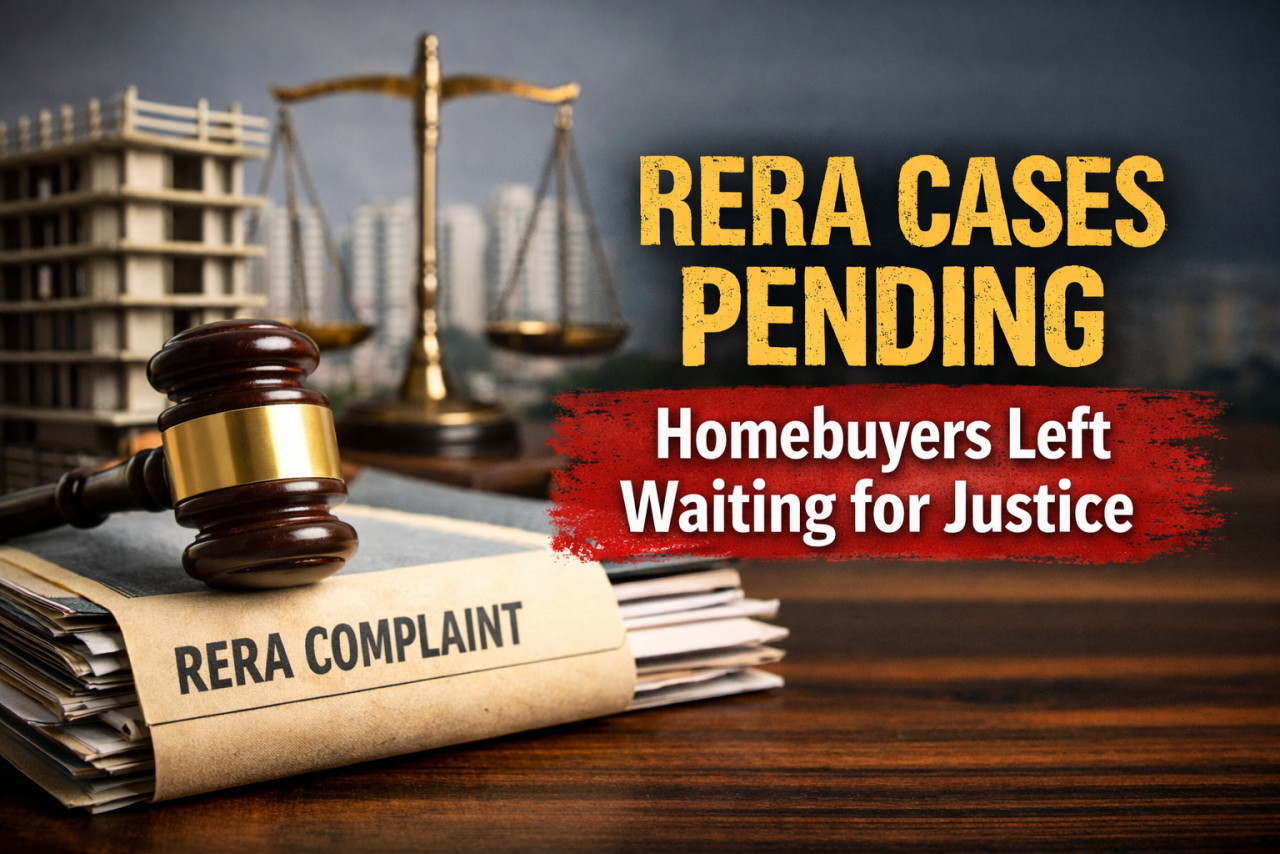
After years of uncertainty, nearly 500 Supertech Supernova buyers can finally register their flats without waiting for the builder to clear disputed dues.
Nearly 500 homebuyers of the stalled Supertech Supernova project in Noida have reason to celebrate. A Supreme Court-appointed committee has directed the Noida authority to register lease deeds in favour of these buyers without insisting that the dues of the original developer, Supertech Realtors Private Limited (SRPL), be cleared first. The order also extends to owners of commercial units in the same project.
The three-member committee is headed by Justice (retired) MM Kumar, former chief justice of the Jammu and Kashmir High Court, along with financial expert Rajeev Mehrotra and construction and civil engineering expert Anant Kumar. Its decision, taken on July 16, was placed before the Supreme Court on Friday while the court heard a petition filed by RK Arora, the erstwhile director and promoter of Supertech Group. Arora had challenged an earlier order of the National Company Law Tribunal (NCLT) that had initiated insolvency proceedings against the Supernova project.
To understand why this order matters, it helps to look at the numbers. Of the 2,863 housing units sold in Supernova, possession has so far been granted for only 1,121. Around 5,251 units remain unsold, with construction still pending at various stages. The NCLT had begun corporate insolvency proceedings against the developer on June 12, 2024, a move that was later upheld by the National Company Law Appellate Tribunal (NCLAT) in August and then challenged by Arora before the Supreme Court.
The core dispute has been about money. Noida authority claims that SRPL owes it ₹3,352 crore, an amount the developer disputes. Until now, the authority has been unwilling to register flats in favour of individual buyers unless these dues were settled, effectively holding hundreds of families hostage to a financial fight that was not of their making. Buyers approached the court after the authority refused to register their deeds on these grounds.
The committee's report, presented by advocate Rajeev Jain, pushed back firmly on this approach. It reminded the court of an earlier order dated December 16, 2025, which had introduced the idea of a "zero period." Under this arrangement, until construction of the flats is completed, neither the authority nor banks can insist on repayment of dues from the developer or its buyers. The committee called Noida authority's insistence on a 33% upfront deposit from any amount received by SRPL "premature," since it ignored this zero period altogether.
There was also a separate question about transfer charges, fees the authority typically levies when a property changes hands. The committee clarified that such charges are not payable on the first registration of what is called a tripartite sub-lease, an arrangement involving the authority, the developer, and the buyer. These charges, it said, only become applicable if the buyer later transfers the flat to someone else. This distinction matters because it removes an extra financial burden that many buyers feared they would have to bear simply to get their homes registered in their own names.
The December 2025 order had already handed control of SRPL to a court-appointed administration, with a mandate to find ways to expedite completion of the residential and commercial towers still under construction. Friday's committee report builds on that effort by removing one of the biggest procedural roadblocks buyers have faced.
Going forward, Noida authority has been directed to begin registering tripartite sub-lease deeds for buyers whose documents have already been verified, and to complete this process within two weeks. For a project that has dragged through insolvency proceedings, appellate challenges and years of uncertainty, this is the clearest timeline buyers have received so far.
The matter is not entirely closed, though. The Supreme Court has posted it for further hearing on August 11, when the developer's dispute with Noida authority over the outstanding dues, and any lingering objections, are expected to come up again. For now, however, hundreds of families who paid for homes years ago finally have a concrete date to look forward to.
Nearly 500 homebuyers of the stalled Supertech Supernova project in Noida have reason to celebrate. A Supreme Court-appointed committee has directed the Noida authority to register lease deeds in favour of these buyers without insisting that the dues of the original developer, Supertech Realtors Private Limited (SRPL), be cleared first. The order also extends to owners of commercial units in the same project.
The three-member committee is headed by Justice (retired) MM Kumar, former chief justice of the Jammu and Kashmir High Court, along with financial expert Rajeev Mehrotra and construction and civil engineering expert Anant Kumar. Its decision, taken on July 16, was placed before the Supreme Court on Friday while the court heard a petition filed by RK Arora, the erstwhile director and promoter of Supertech Group. Arora had challenged an earlier order of the National Company Law Tribunal (NCLT) that had initiated insolvency proceedings against the Supernova project.
To understand why this order matters, it helps to look at the numbers. Of the 2,863 housing units sold in Supernova, possession has so far been granted for only 1,121. Around 5,251 units remain unsold, with construction still pending at various stages. The NCLT had begun corporate insolvency proceedings against the developer on June 12, 2024, a move that was later upheld by the National Company Law Appellate Tribunal (NCLAT) in August and then challenged by Arora before the Supreme Court.
The core dispute has been about money. Noida authority claims that SRPL owes it ₹3,352 crore, an amount the developer disputes. Until now, the authority has been unwilling to register flats in favour of individual buyers unless these dues were settled, effectively holding hundreds of families hostage to a financial fight that was not of their making. Buyers approached the court after the authority refused to register their deeds on these grounds.
The committee's report, presented by advocate Rajeev Jain, pushed back firmly on this approach. It reminded the court of an earlier order dated December 16, 2025, which had introduced the idea of a "zero period." Under this arrangement, until construction of the flats is completed, neither the authority nor banks can insist on repayment of dues from the developer or its buyers. The committee called Noida authority's insistence on a 33% upfront deposit from any amount received by SRPL "premature," since it ignored this zero period altogether.
There was also a separate question about transfer charges, fees the authority typically levies when a property changes hands. The committee clarified that such charges are not payable on the first registration of what is called a tripartite sub-lease, an arrangement involving the authority, the developer, and the buyer. These charges, it said, only become applicable if the buyer later transfers the flat to someone else. This distinction matters because it removes an extra financial burden that many buyers feared they would have to bear simply to get their homes registered in their own names.
The December 2025 order had already handed control of SRPL to a court-appointed administration, with a mandate to find ways to expedite completion of the residential and commercial towers still under construction. Friday's committee report builds on that effort by removing one of the biggest procedural roadblocks buyers have faced.
Going forward, Noida authority has been directed to begin registering tripartite sub-lease deeds for buyers whose documents have already been verified, and to complete this process within two weeks. For a project that has dragged through insolvency proceedings, appellate challenges and years of uncertainty, this is the clearest timeline buyers have received so far.
The matter is not entirely closed, though. The Supreme Court has posted it for further hearing on August 11, when the developer's dispute with Noida authority over the outstanding dues, and any lingering objections, are expected to come up again. For now, however, hundreds of families who paid for homes years ago finally have a concrete date to look forward to.


























Leave a Comment