

When a textbook becomes a battleground, the real question isn’t what was written—but why we’re afraid to read it.
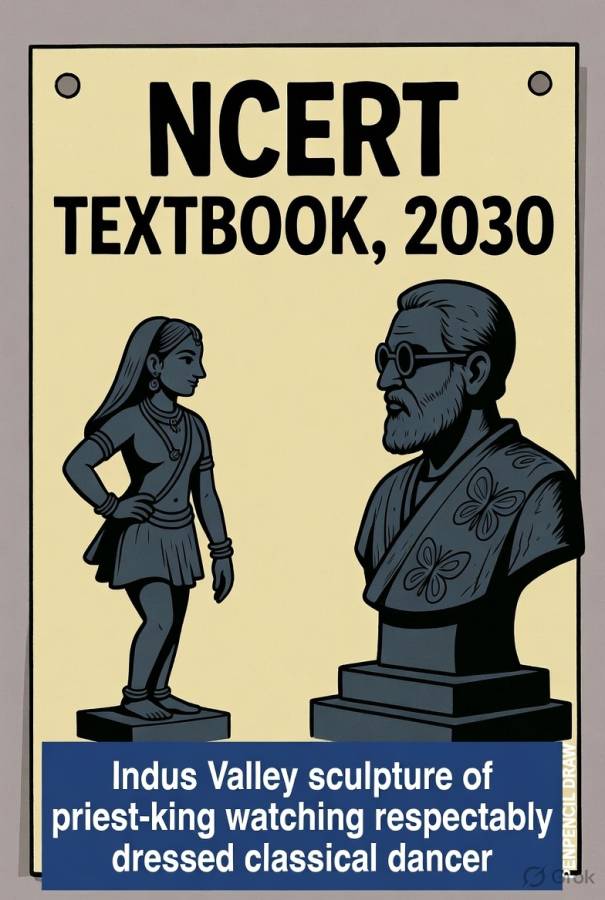
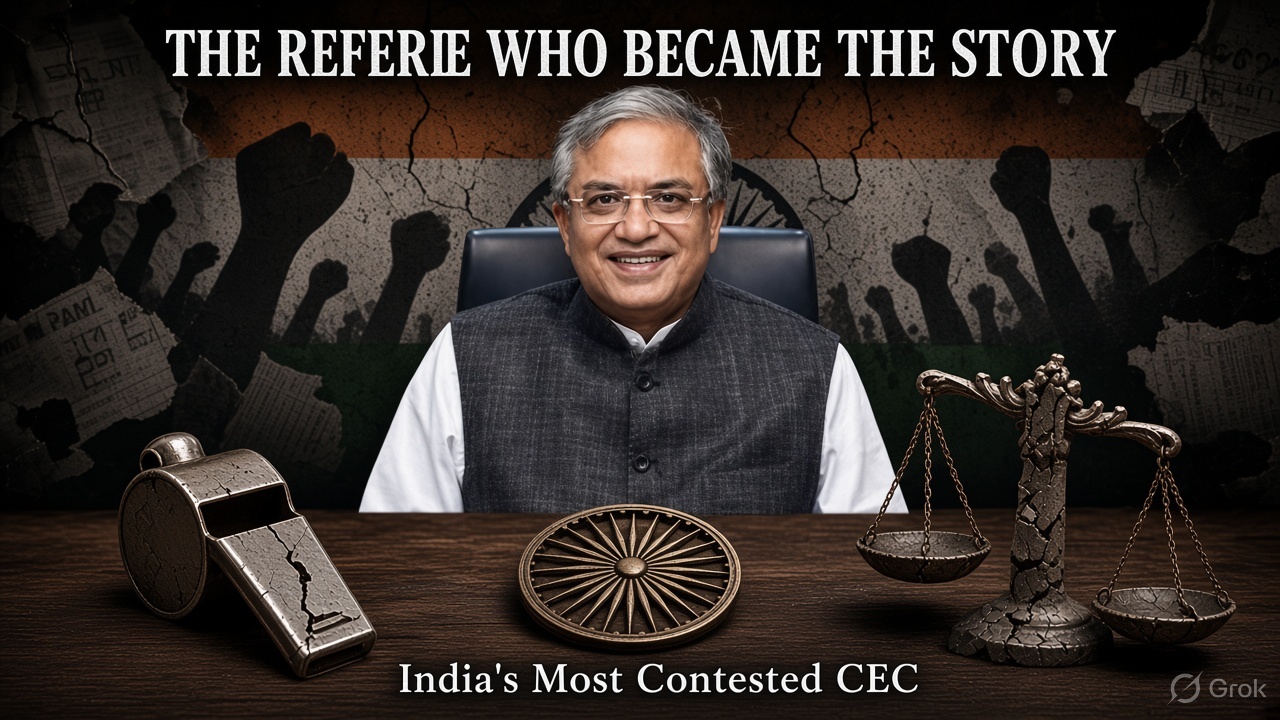
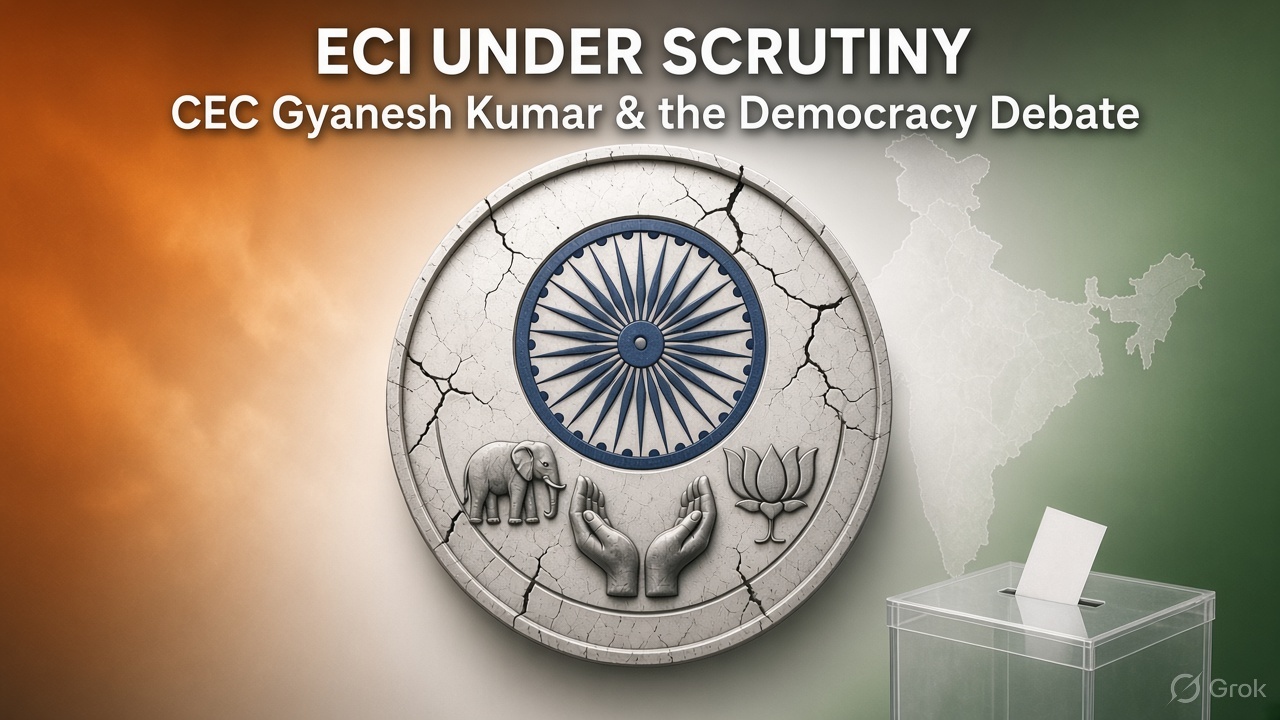
In a democracy, institutions derive their legitimacy not merely from constitutional authority, but from public trust. That trust, however, is fragile—built slowly through transparency and accountability, yet easily eroded by opacity and overreach. A recent controversy surrounding the removal of a section from an NCERT Class VIII social science textbook brings this tension into sharp focus, raising deeper questions about how institutions engage with criticism, dissent, and public discourse.
At the heart of the issue lies a chapter titled “The Role of Judiciary in our Society”, which included a passage discussing corruption within the judicial system. The text acknowledged the existence of systemic safeguards—codes of conduct, accountability mechanisms, and institutional checks—while also candidly stating that corruption persists and disproportionately affects marginalized communities. It concluded with a hopeful note: ongoing efforts are being made to enhance transparency and strengthen trust in the judiciary.
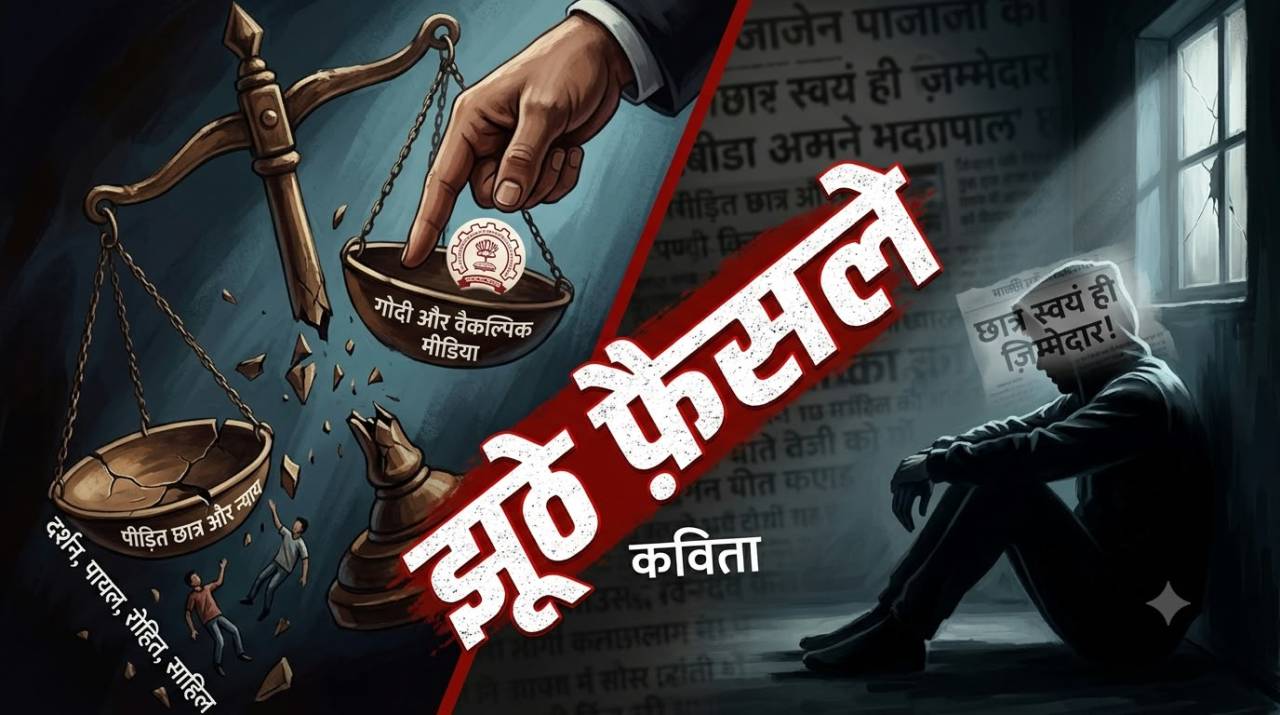
An opportunity for introspection and dialogue instead turned into a flashpoint. The Supreme Court took suo motu cognizance of the content, and in an unusual alignment, opposing counsels found common ground in criticizing the inclusion. The outcome was decisive: the passage was deemed inappropriate, the textbook section faced removal, and those involved in its drafting were subjected to scrutiny without even being granted a formal hearing.
This sequence of events raises an uncomfortable but necessary question—does suppressing uncomfortable truths strengthen institutions, or does it deepen public mistrust?
The Paradox of Protection
The Court’s concern appears rooted in the protection of young minds. It argued that students in their formative years may lack the maturity to fully comprehend the nuances of institutional functioning and could be misled by partial or biased narratives. There is merit in ensuring that educational content is balanced and responsible. However, the decision to excise discussion altogether reflects a broader discomfort with confronting institutional shortcomings in public spaces.
Ironically, shielding students from such realities may have the opposite effect. In today’s digital age, information is not confined to textbooks. Students are exposed to news, social media debates, and real-world events that often present a far more unfiltered view of institutional dynamics. By avoiding these discussions in classrooms, educators risk creating a disconnect between formal education and lived reality.
Education, at its core, is not just about disseminating information but about fostering critical thinking. When students are encouraged to engage with complex issues—guided by context and nuance—they are better equipped to understand and navigate the world around them. Silence, in contrast, can breed confusion and skepticism.
The Missed Opportunity for Dialogue
One of the more troubling aspects of the episode is the lack of procedural fairness. The authors of the textbook were reportedly not given a hearing before decisions were made. In a system that prides itself on due process, this omission is significant. It signals a shift from deliberation to unilateral action, undermining the very principles the judiciary seeks to uphold.
Moreover, the Court’s directive extended beyond content removal. It called for the exclusion of the chapter from curricula across universities, state governments, and publicly funded institutions. Such sweeping measures risk setting a precedent where critical engagement with institutions is seen as undesirable or even punishable.
Contrast this with the Court’s own acknowledgment of the importance of dissent and rigorous discourse in a democracy. In its observations, it reaffirmed that debate and criticism are essential instruments of institutional accountability. Yet, its response to this particular instance seems to contradict that principle, creating a dissonance that is hard to ignore.
Trust and Transparency: A Two-Way Street
Trust in institutions is not built by projecting infallibility but by demonstrating a willingness to confront imperfections. When institutions acknowledge their weaknesses and actively work to address them, they reinforce public confidence. Conversely, attempts to suppress or sanitize narratives can lead to suspicion and disengagement.
The judiciary, as the guardian of constitutional values, occupies a unique position in this ecosystem. Its actions set the tone for how accountability and transparency are perceived across the system. By reacting defensively to criticism, it risks sending a message that scrutiny is unwelcome—a stance that could have far-reaching implications for democratic discourse.
At the same time, the episode highlights the need for greater sensitivity in how educational content is framed. Discussions around corruption and institutional challenges must be contextualized, ensuring that students understand both the problems and the mechanisms in place to address them. The goal should not be to alarm but to inform, not to undermine faith but to build informed trust.
Final Take
This controversy should serve as a moment of reflection rather than division. It underscores the importance of striking a balance between protecting institutional integrity and fostering open dialogue. Educational institutions, policymakers, and the judiciary must work collaboratively to ensure that curricula reflect the complexities of society without compromising on accuracy or responsibility.
A more constructive approach could involve revising the contentious section to provide additional context, incorporating perspectives that highlight reforms and progress alongside challenges. Engaging educators, legal experts, and civil society in this process would not only enhance the quality of content but also reinforce the principles of inclusivity and deliberation.
Ultimately, the strength of a democracy lies in its ability to confront uncomfortable truths without losing sight of its ideals. By embracing transparency and encouraging informed discourse, institutions can transform moments of controversy into opportunities for growth.
The NCERT book ban, in this sense, is more than an isolated incident—it is a reflection of the ongoing struggle between control and openness, between image and reality. How this balance is navigated will shape not only the future of education but also the trajectory of public trust in India’s institutions.
In the end, trust cannot be mandated; it must be earned. And earning it requires courage—the courage to listen, to engage, and above all, to be honest about both strengths and shortcomings.





















Leave a Comment