

Bollywood celebrates real-life heroes and sacred stories, but its growing dependence on familiar narratives may be weakening its creative ambition.
Walk into any multiplex today and a pattern becomes difficult to ignore. Posters of athletes rising from poverty, warriors lifted from history books, politicians presented through carefully constructed narratives, and saints and folklore figures bathed in cinematic grandeur dominate the promotional landscape. Bollywood has found comfort in familiar territory. Real lives and religious beliefs offer built-in emotion, recognisable identities, ready-made marketing hooks and a degree of cultural security.
For those who remember the industry's more restless decades, this growing dependence feels less like a celebration of storytelling and more like a retreat from imagination.
The Biopic Formula That Became Bollywood’s Comfort Zone
The biopic boom did not happen overnight. Bhaag Milkha Bhaag (2013) demonstrated what a well-told real-life story could achieve. Farhan Akhtar's physical transformation, the trauma of Partition and the determination of an athlete who refused to surrender to his past gave the film an emotional depth that extended beyond sporting achievement.
The film reportedly earned around ₹163 crore worldwide. More importantly, it demonstrated that audiences were willing to invest in stories of struggle when the filmmaking felt authentic.
What followed was a steady expansion of the genre. MS Dhoni: The Untold Story, Dangal and Sanju became major commercial successes. Each offered a familiar narrative structure: a difficult childhood, personal sacrifice, relentless ambition and eventual triumph or redemption.
The commercial figures strengthened the industry's confidence. Dangal crossed ₹700 crore worldwide, while Sanju collected close to ₹580 crore globally. Producers and studios increasingly saw the attraction of established personalities and recognisable journeys.
Why create an unfamiliar character when a celebrated personality already comes with a story, an audience and a promotional advantage?
The calculation was understandable. Its consequences were less encouraging.
When Inspiration Turns Into Repetition
By the mid-2020s, the formula began showing signs of fatigue. Films such as Chandu Champion, Maidaan and Emergency struggled to meet commercial expectations. The industry increasingly faced questions about an apparent overdose of biographical storytelling.
The problem was not necessarily the subjects. It was the repetitive treatment.
National pride, sacrifice, childhood adversity and eventual victory had become familiar ingredients. Narratives that once inspired audiences increasingly risked feeling predictable. Younger viewers, exposed to more diverse regional cinema and international streaming content, were becoming less willing to accept familiar storytelling simply because it carried a celebrated name.
There is another cost that box-office figures cannot adequately capture.
Real lives are complicated. They contain contradictions, questionable decisions, personal failures and uncomfortable truths. When cinema turns such lives into carefully packaged inspirational journeys, it often sacrifices the very human complexity that makes them worth exploring.
A biopic should offer an interpretation of a life, not merely reproduce its public image.
Faith and Folklore Find Their Way to the Big Screen
Alongside the biopic boom, another significant development has taken shape. Faith, mythology and regional folklore have emerged as powerful cinematic subjects.
The success of Kantara demonstrated the commercial and cultural potential of stories rooted in local traditions. Rishab Shetty's film did not depend on the familiar machinery of mainstream Bollywood. Its treatment of coastal Karnataka's folklore, local deities, land, community identity and ritual traditions gave it a distinctive emotional force.
The film reportedly earned more than ₹400 crore worldwide, turning a regional story into a national cinematic phenomenon.
Its appeal was not simply religious. It connected audiences with a cultural memory that mainstream cinema had rarely explored with such intensity.
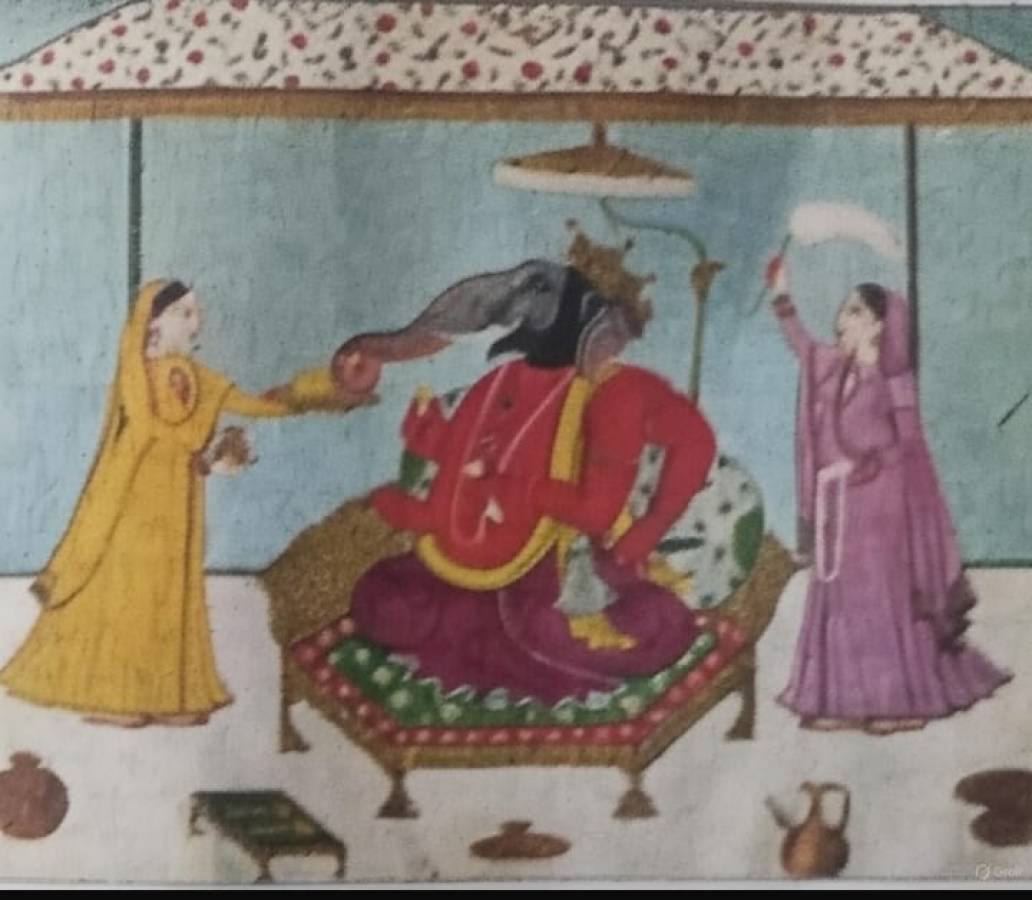
The subsequent wave of devotional and folklore-based productions reinforced the trend. The film Hanuman Ansh, centred on Neem Karoli Baba, and the Gujarati film Laalo have been cited as examples of how faith-driven storytelling can find audiences beyond conventional star power.
For some viewers, these films offered something that conventional commercial cinema had struggled to provide: emotional identification, spiritual connection and a sense of belonging.
The response was not always measured in applause. Reports of viewers removing their footwear before watching devotional films reflected the intensity with which some audiences approached these cinematic experiences.
These developments deserve attention. They suggest that regional identity and faith are not marginal subjects in Indian cinema. They can become powerful storytelling foundations when treated with cultural sensitivity and artistic conviction.
Bollywood's Commercial Calculation Meets Audience Expectations
The challenge emerged when mainstream cinema began treating this cultural shift as another dependable commercial formula.
Mythology and devotion gradually moved from the margins of the film industry into mainstream production discussions. But the difference between an organically developed story and a commercially assembled religious spectacle is significant.
Audiences may welcome faith-based cinema, but that does not mean every film featuring a saint, deity or historical warrior will automatically succeed.
The distinction lies in storytelling.
Kantara worked because its cultural setting was inseparable from its narrative. Its rituals, landscape and community relationships were not decorative additions. They were central to the film's identity.
When belief becomes merely a marketing strategy or spectacle replaces narrative depth, audiences are less likely to respond with the same enthusiasm.
The commercial opportunity is real. So is the danger of exhausting it through repetition.
The Larger Crisis of Original Hindi Cinema
This creative hesitation exists within a broader crisis facing Hindi theatrical cinema.
Post-pandemic audience behaviour exposed the limitations of several established production strategies. Original Hindi films struggled to maintain consistent theatrical appeal, while dubbed South Indian productions found substantial audiences across the country.
The performance of theatrical remakes also raised questions about the industry's dependence on previously successful regional stories. Many Hindi adaptations failed to reproduce the commercial impact of their originals.
Franchise films, too, began showing signs of uneven audience interest. Rising ticket prices, changing entertainment habits and the availability of streaming platforms altered the economics of a theatrical outing.
Behind these commercial developments lies a straightforward audience response. People have not stopped loving cinema. They have become more selective about what deserves their time and money.
A film must offer an experience that justifies leaving home, paying for tickets and spending several hours in a theatre. Familiar faces and established formulas are no longer sufficient guarantees.
The Exceptions Prove That Originality Still Works
It would be unfair to suggest that Bollywood has completely abandoned imaginative storytelling.
12th Fail demonstrated that a relatively grounded story about an ordinary person's struggle could move audiences without relying on extravagant spectacle. Its success showed that authenticity, strong performances and emotional honesty remain powerful cinematic assets.
Shah Rukh Khan's return to theatrical dominance through Pathaan and Jawan in 2023 restored some of the industry's lost commercial confidence. Horror-comedies such as Stree 2 demonstrated that original concepts, when supported by strong writing and effective execution, could still deliver major box-office results.
Chhaava also demonstrated the continuing appeal of historical biographical cinema when its subject, cultural resonance and production scale connect with audiences.
These films represent different approaches to commercial success. Their common lesson is that audiences are not rejecting particular genres. They are responding to the quality of storytelling.
The appetite for fresh ideas has not disappeared. The industry's willingness to consistently invest in them appears to have weakened.
The Need to Rediscover Creative Courage
Biopics and devotional films are not the problem. Both have legitimate artistic and cultural value. Real-life stories can reveal forgotten histories, challenge established perceptions and bring extraordinary human experiences to the screen. Faith-based cinema can preserve regional traditions, explore spiritual questions and introduce audiences to cultural narratives beyond mainstream entertainment.
The problem begins when commercially successful categories become substitutes for creative thinking.
Original storytelling requires investment, patience and a willingness to accept uncertainty. It demands writers who can develop compelling characters, producers who trust unfamiliar ideas and filmmakers who are prepared to explore subjects that do not come with an established audience.
Bollywood continues to produce a substantial number of films, but quantity alone cannot sustain an industry's creative reputation.
Cinema, at its best, functions as both a mirror and a window. It reflects society while allowing audiences to imagine worlds beyond their immediate experience.
For much of the last decade, mainstream Hindi cinema has increasingly preferred familiar heroes, established legends and stories that arrive with their emotional conclusions already attached.
There is nothing wrong with celebrating the past, remembering extraordinary lives or bringing faith to the screen. But an industry that repeatedly looks backwards risks losing its ability to imagine what comes next.
Bollywood does not need fewer biopics or fewer films about faith. It needs more courage to tell stories that audiences have never seen before.




















Leave a Comment