
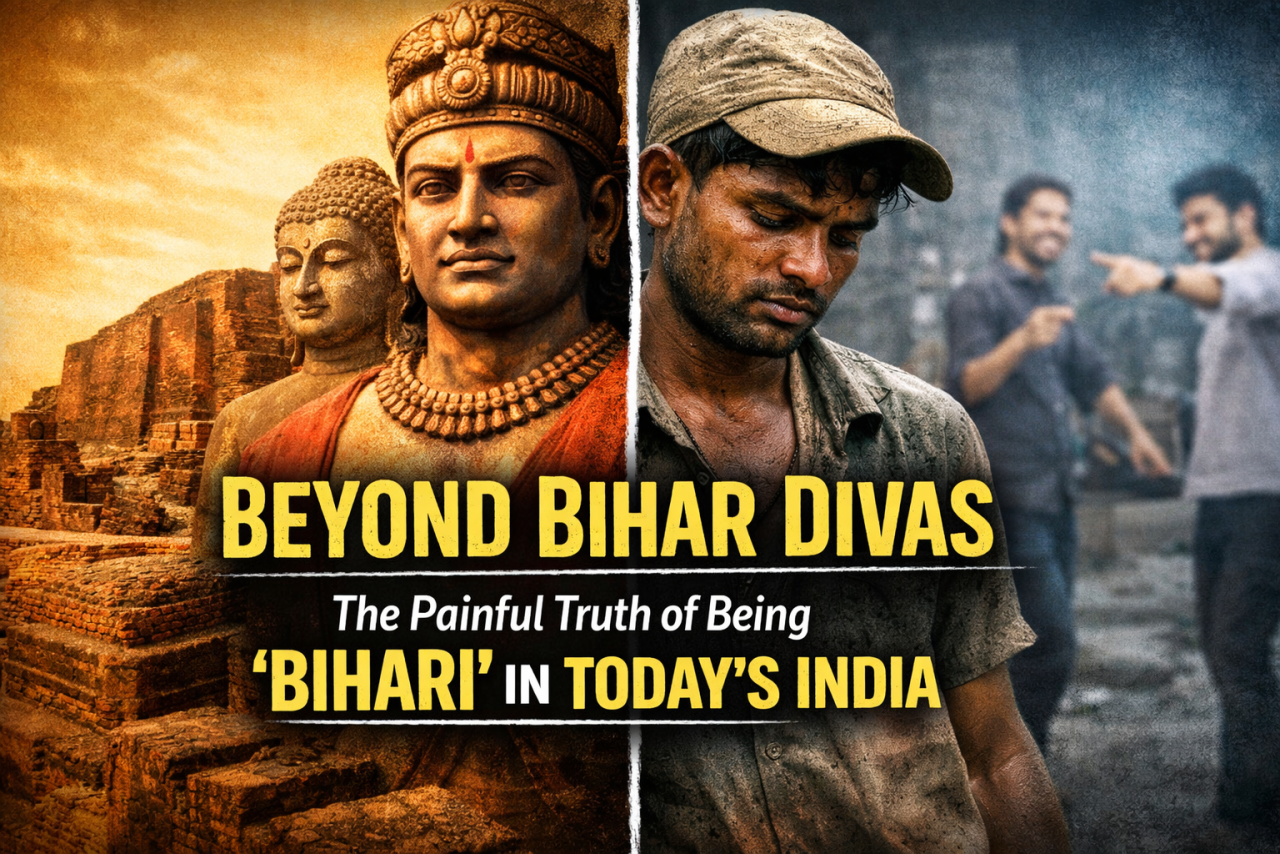
We celebrate Bihar’s past for a day, but ignore the prejudice its people face every single day.
While the nation trends #BiharDivas to celebrate a glorious past, a harsher reality continues to exist beneath the surface — the steady transformation of a proud identity into a national stereotype.
Every year on March 22, India’s digital space turns into a gallery of Bihar’s greatness. Images of Nalanda’s ruins, the calm face of the Buddha, and the vibrant beauty of Mithila art dominate timelines. There is admiration for the Mauryan Empire, respect for Chanakya’s intellect, and pride in a civilization that shaped history.
For a day, being “Bihari” becomes synonymous with legacy, wisdom, and cultural richness.
But this celebration is brief.
As the hashtags fade, so does the respect. The identity returns to being a casual insult in everyday conversations. In urban spaces like Delhi, Mumbai, or Bengaluru, the word “Bihari” is often stripped of its geographical meaning and used instead as a label — one that implies inferiority, lack of sophistication, or backwardness.
When Identity Turns Into Insult
The issue is not just social — it is linguistic and cultural.
Over time, popular media has reduced Bihar’s rich linguistic diversity into a caricature. Languages like Maithili, Bhojpuri, and Magahi are often portrayed in exaggerated tones. Characters with these accents are rarely shown as educated or refined. Instead, they are presented as comic relief, domestic workers, or violent sidekicks.
This repeated portrayal has shaped perception.
For many young people from Bihar moving to cities, there is an unspoken pressure to change how they speak. Accents are softened. Words are adjusted. Identity is diluted — not out of choice, but out of fear of being judged or dismissed.
The Digital Reinforcement of Stereotypes
Social media has intensified this bias.
Content labeled as “Bihari memes” often mocks poverty, rural lifestyles, or cultural expressions. What should be seen as resilience or creativity is rebranded as “cringe.” A behavior that might be called “quirky” in an urban setting is labeled “chapri” when associated with someone from a smaller town in Bihar.
This digital culture creates distance. It turns people into stereotypes and allows discrimination to hide behind humor.
The Migrant Reality: Essential but Excluded
One of the most striking contradictions lies in the lives of migrant workers.
Millions of people from Bihar contribute to building India’s cities. They work on construction sites, in factories, and across essential sectors. Their labor powers urban growth and infrastructure.
Yet, they are often treated as outsiders.
From past regional tensions to everyday discrimination, Bihari migrants frequently face hostility. They live in difficult conditions, send money back home, and remain largely invisible in the narrative of progress they help create.
Their contribution is undeniable, but their dignity is often overlooked.
The Weight of Stereotypes in Education and Opportunity
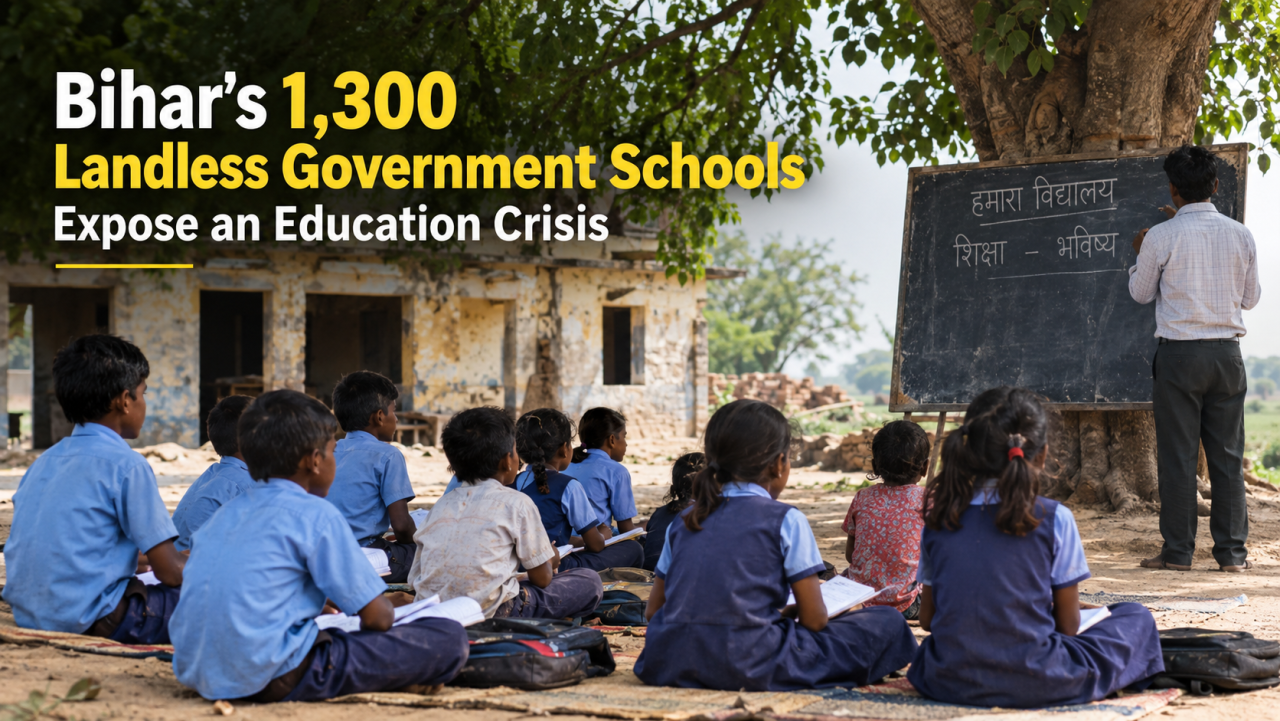
The “BIMARU” tag, once used to describe underdeveloped states, continues to shadow Bihar’s image. Even today, it influences how people perceive talent from the state.
Students from Bihar often face skepticism despite strong academic achievements. Isolated incidents, like exam scams, end up shaping a broader narrative that unfairly affects an entire generation.
This creates a difficult choice: stay and struggle against systemic challenges, or leave and face bias elsewhere.
Beyond Celebration: The Need for Change
Bihar Divas is important. It reminds us of a legacy that shaped India’s intellectual and political foundations.
But celebrating history is not enough.
True respect for Bihar must extend to its people — especially those living and working across the country today. Pride in ancient achievements should not coexist with prejudice against present realities.
The problem is not just about Bihar. It reflects a deeper issue within society — a tendency to romanticize the past while ignoring present inequalities.
A Question That Remains
Can a person from Bihar openly say where they come from without fear of judgment?
Until the answer is yes, the celebration of Bihar will remain incomplete.
Bihar does not need symbolic admiration for its past alone. It needs recognition, respect, and dignity for its people in the present.
Only then will the meaning of “Bihari” truly reflect the legacy it represents — not just in history books, but in everyday life.











Leave a Comment