
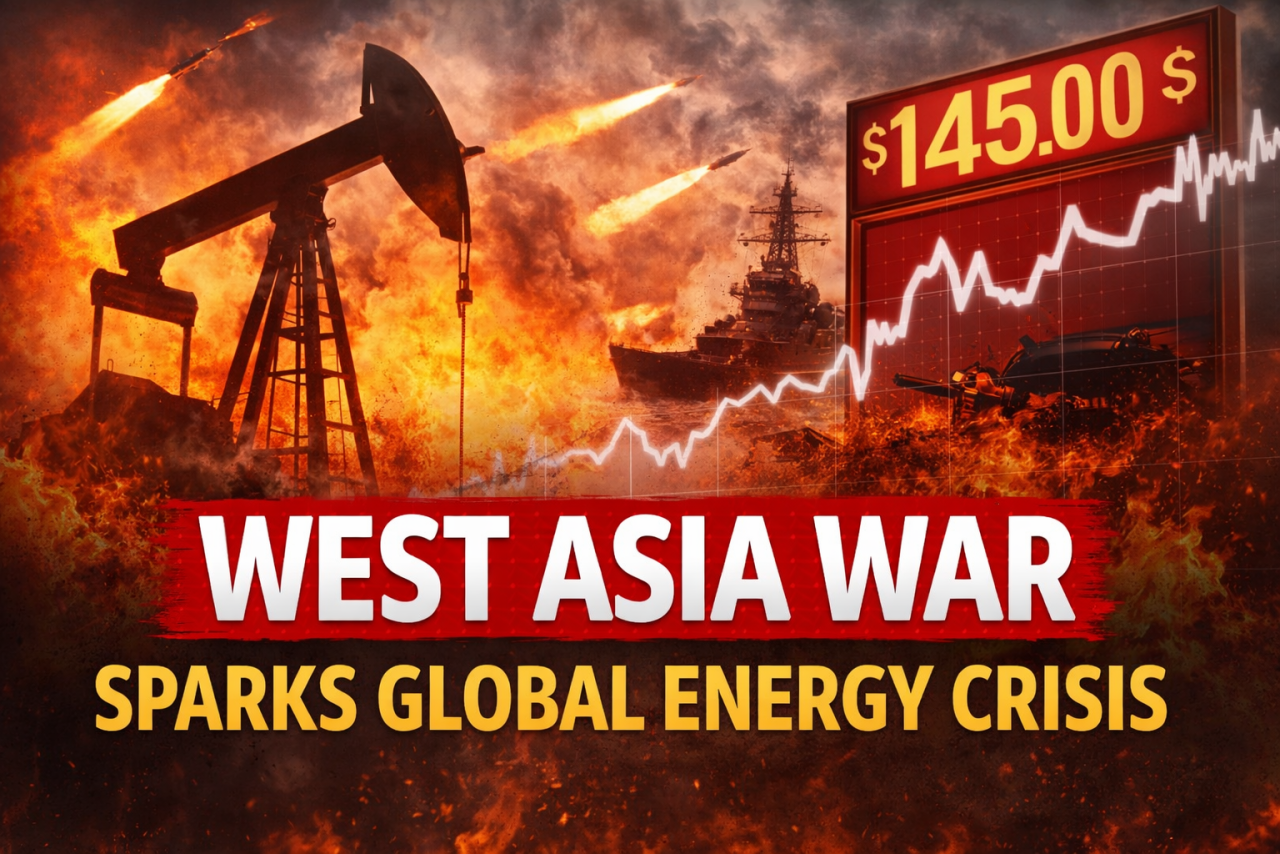
A war unfolding in West Asia is no longer just a distant headline—it’s quietly tightening its grip on your wallet, pushing fuel prices up and sending shockwaves through the global economy.
It begins, as many global crises do, in a place most people will never see—but whose consequences they cannot escape. Thousands of kilometres away from Indian cities and towns, tensions in West Asia are tightening around one of the world’s most critical oil corridors. And as that happens, the effects are quietly, steadily making their way into everyday life—through rising fuel prices, costlier goods, and growing economic unease.
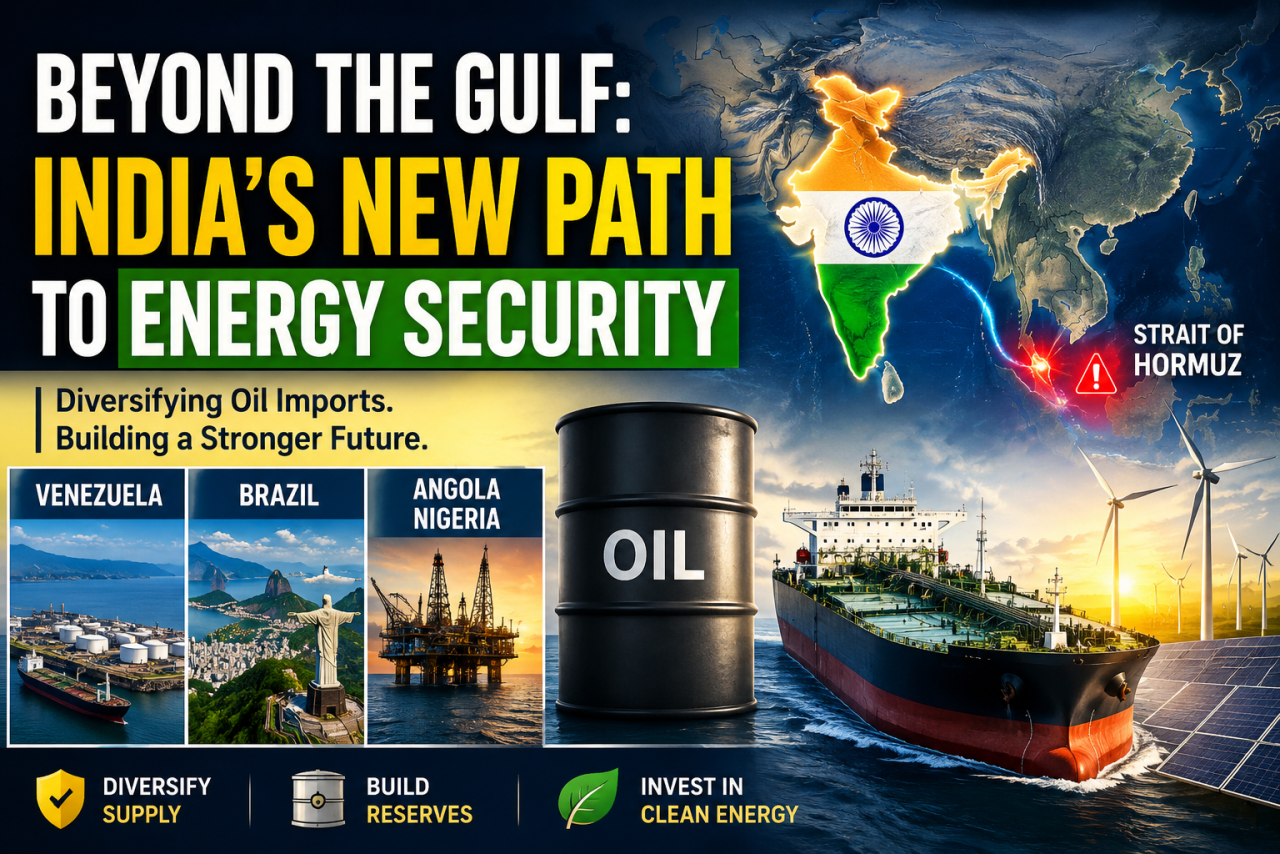
The Strait of Hormuz, a narrow stretch of water connecting the Persian Gulf to the open ocean, has once again become the focal point of global anxiety. Nearly a fifth of the world’s oil passes through this route. When conflict threatens its stability, markets react instantly. Tankers slow down, insurance premiums spike, and traders begin pricing in fear.
That fear is now visible in crude oil prices. Benchmarks have climbed sharply in recent weeks, with volatility replacing any sense of predictability. For countries like India—which imports more than 80% of its crude needs—the implications are immediate. Every spike in global oil prices feeds directly into domestic inflation, widening trade deficits and putting pressure on government finances.
But this is not just about numbers on a commodities chart. It is about the cost of living.
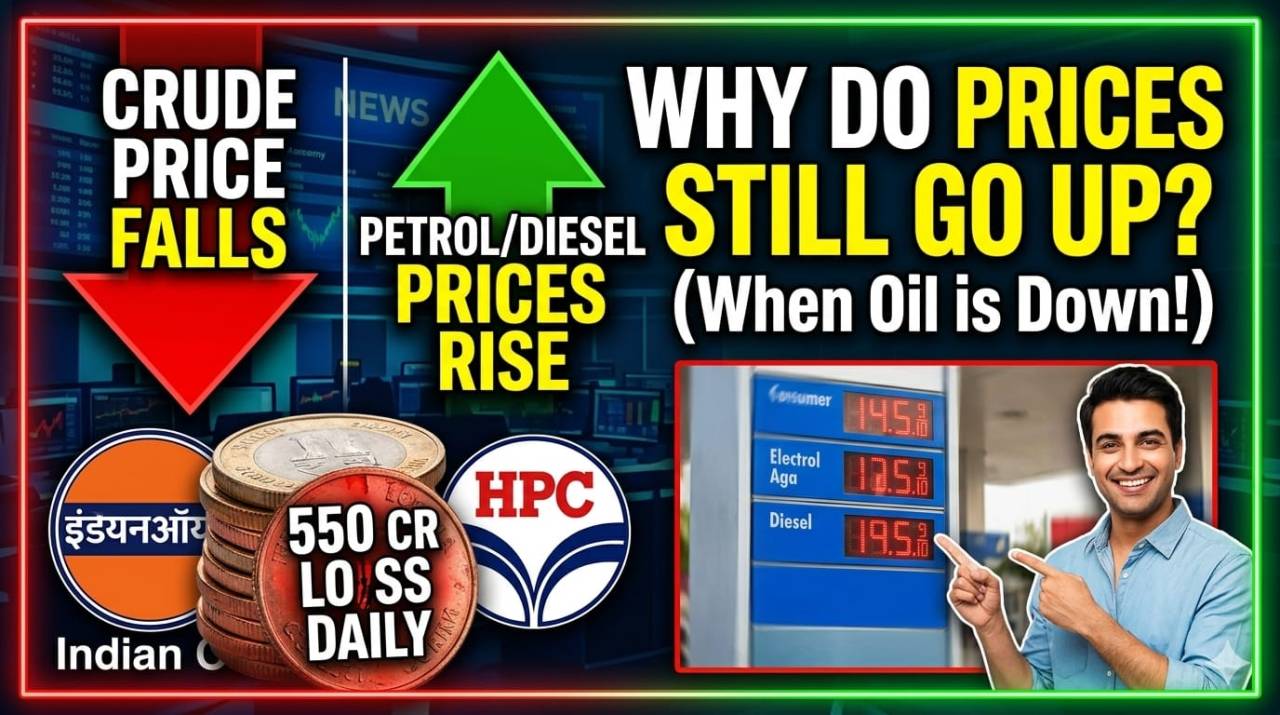
Petrol and diesel prices are often the first visible signs of an energy crisis, but they are only the beginning. Transport becomes more expensive, and that cost travels—into food prices, logistics, manufacturing, and eventually, into the daily expenses of households. A rise in crude oil prices can quietly push up the cost of essentials, from vegetables to packaged goods, without any single, dramatic trigger.
Industries are already beginning to feel the strain. Petrochemicals, which form the backbone of everything from plastics to pharmaceuticals, are becoming costlier to produce. For manufacturers, this creates a difficult choice: absorb the rising costs and reduce margins, or pass them on to consumers and risk slowing demand. Neither option is painless.
There is also a deeper vulnerability at play—one that this crisis has once again exposed. Much of Asia’s economic growth has been powered by energy imports from West Asia. This geographic concentration has always carried risks, but in times of relative peace, those risks fade into the background. Conflict brings them sharply back into focus.
Governments, including India’s, are now moving into precautionary mode. Strategic petroleum reserves are being reviewed, supply chains are being monitored, and contingency plans are being quietly activated. The aim is not just to ensure availability, but to prevent panic—because in energy markets, perception can be as disruptive as reality.
Globally, the situation is equally tense. Energy shocks of this scale tend to ripple through the broader economy. Higher fuel costs can slow industrial output, reduce consumer spending, and complicate the fight against inflation. For central banks already balancing growth and price stability, this adds another layer of uncertainty.
There is also the question of duration. Short-term disruptions can be managed. Markets adjust, alternative supplies are found, and prices stabilise. But a prolonged conflict changes the equation entirely. It can lead to structural shifts—altering trade routes, reshaping alliances, and forcing countries to rethink their energy strategies.
Some of that rethinking is already underway. The current crisis is reinforcing a lesson the world has learned before, but perhaps not fully acted upon: dependence on a single region for critical resources is a strategic risk. As a result, there is renewed urgency around diversifying energy sources—whether through expanding imports from other regions, increasing domestic production, or accelerating the transition to renewable energy.
Yet, transitions take time. Solar panels and wind turbines cannot immediately replace the vast, deeply embedded infrastructure of oil and gas. For now, the global economy remains tied to fossil fuels—and to the geopolitical realities that shape their supply.
What makes this moment particularly significant is how interconnected the consequences have become. A conflict in one region is no longer contained within its borders. It moves through shipping lanes, financial markets, and supply chains, eventually finding its way into the lives of ordinary people.
For the average consumer, the crisis may not appear as a headline event. It may show up instead as a slightly higher fuel bill, a marginal increase in grocery costs, or a tightening household budget. But taken together, these small changes tell a larger story—of a global system under strain.
In that sense, the West Asia conflict is not just a regional issue. It is a reminder of how fragile the balance of the global energy system can be, and how quickly that balance can shift.
The coming weeks will be crucial. If tensions ease, markets may stabilise, and the worst of the shock could be contained. If they escalate, the world may be looking at a more prolonged period of volatility—one that tests not just economies, but the resilience of the systems that sustain them.
For now, in a globalised world, distance offers no insulation. What happens in the narrow waters of the Strait of Hormuz does not stay there. It travels—across oceans, across economies, and into everyday life.





















Leave a Comment