
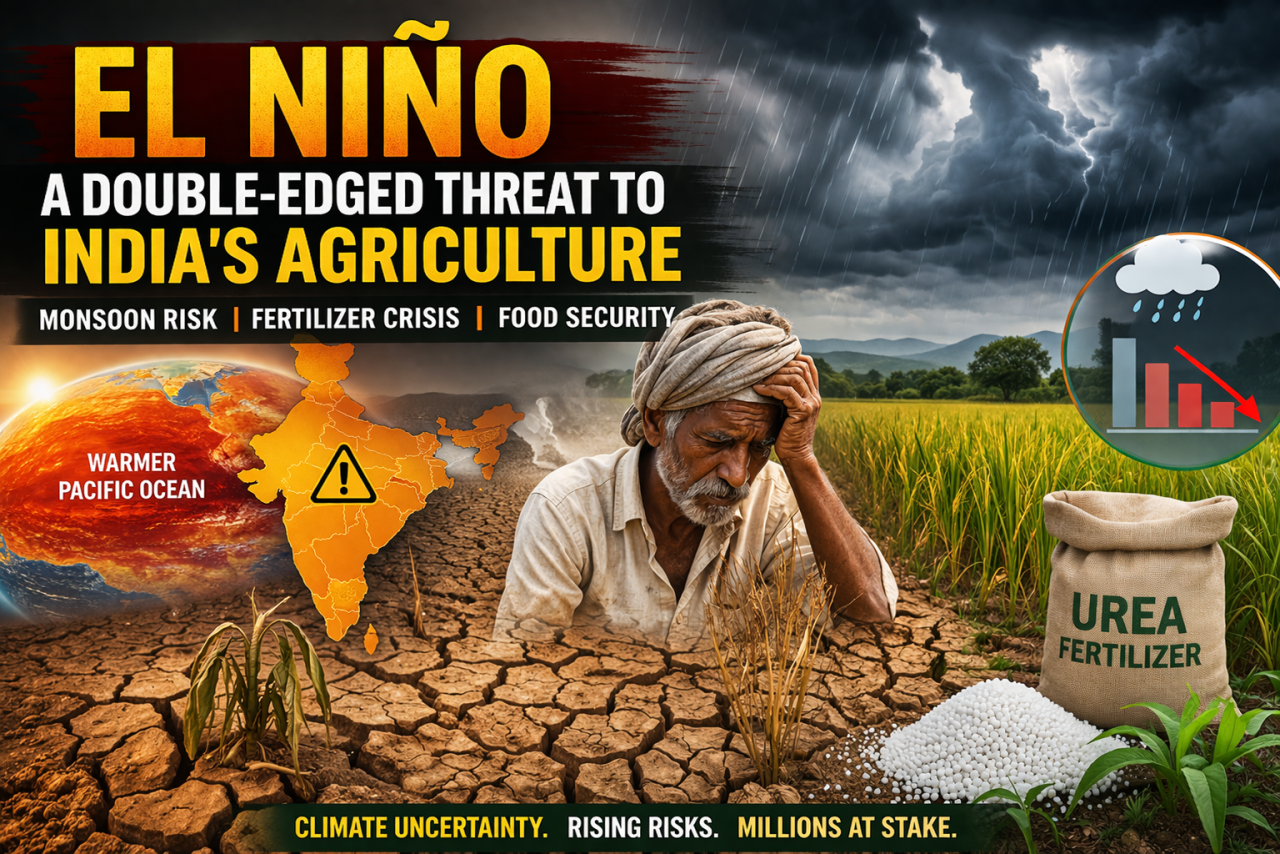
When the Pacific warms, India worries—because a single climate shift could turn monsoon hope into a full-blown agricultural crisis.
The Indian agricultural sector, often described as the backbone of the nation’s economy, is currently facing a period of high anxiety. A recent report by the India Meteorological Department (IMD) has sounded an alarm, citing a significant probability of an El Niño event emerging during the crucial monsoon months. This weather phenomenon, characterized by the warming of surface waters in the eastern Pacific Ocean, historically correlates with erratic rainfall patterns and drought-like conditions in the Indian subcontinent. For a country where nearly half the population relies on farming for their livelihood, these projections are more than just weather updates; they are a direct threat to food security and rural stability.
Understanding the El Niño Impact
The IMD’s seasonal forecast indicates a 62% chance of El Niño developing between June and August, with the probability rising to 80% by the September-October window. The timing is particularly concerning because these months coincide with the Southwest Monsoon, which provides nearly 70% of India's annual rainfall.
Historically, the relationship between El Niño and Indian agriculture is grim. According to research by economist D.K. Srivastava, out of 15 "moderate to very strong" El Niño years between 1952 and 2019, 11 resulted in negative agricultural growth. A prime example remains 2009, when El Niño triggered India’s worst drought in three decades, devastating farm incomes and causing food prices to skyrocket.
The Fertilizer Crisis: A Compounding Factor
While weather remains the primary concern, the agricultural sector is simultaneously battling a "man-made" crisis. The ongoing West Asian conflict has disrupted global supply chains, specifically affecting the availability of natural gas and fertilizers.
- Supply Disruptions: India relies heavily on imports for natural gas, a vital feedstock for domestic urea production. The closure of the Strait of Hormuz has significantly throttled these imports.
- The Vicious Cycle: In a cruel irony, El Niño actually increases the demand for fertilizer. When rainfall is poor, desperate farmers often apply more nutrients to their soil in an attempt to protect their dwindling yields.
Analyst Rahul Chouhan notes that urea demand could see a "sharp spike" just as supply becomes most constrained. This "perfect storm" of low water and high input costs could push many small-scale farmers into a cycle of debt.
Resilience Amidst Uncertainty
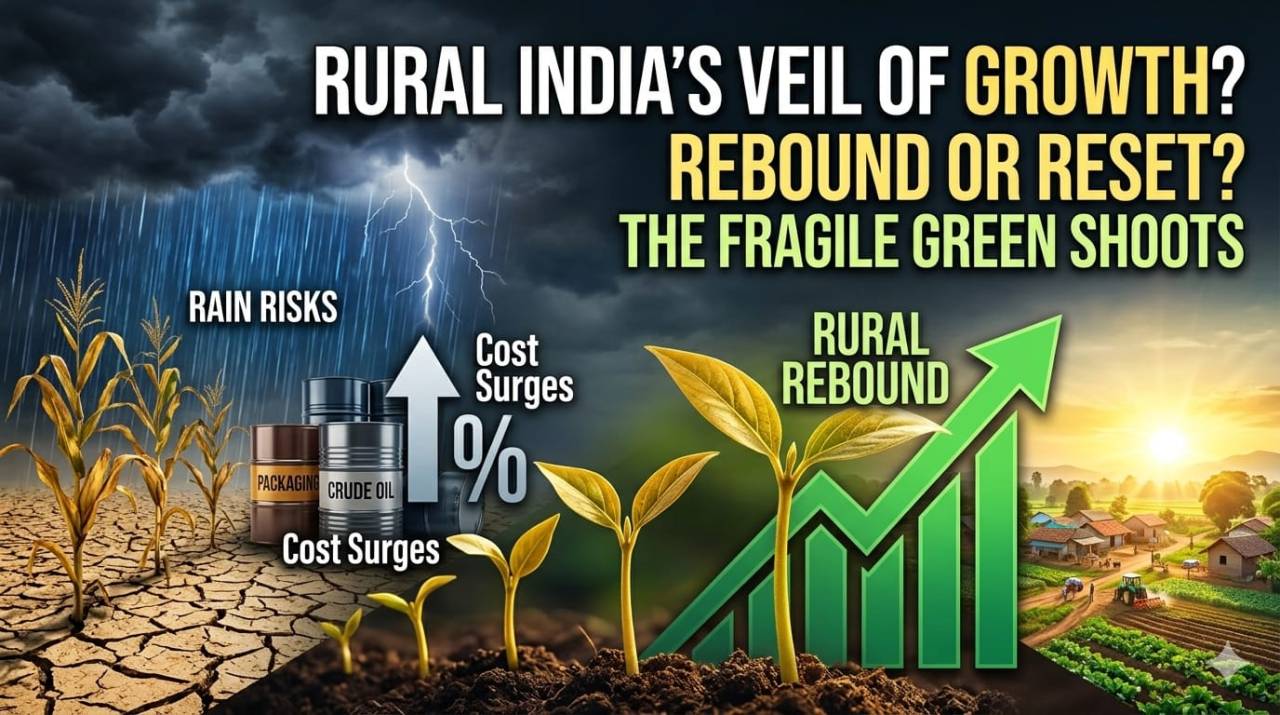
Despite these daunting challenges, there are reasons for cautious optimism. In recent years, India has demonstrated remarkable resilience in food production. The 2024-25 season saw a record grain output of 357 million tonnes. This suggests that improvements in irrigation, crop diversification, and government support systems are beginning to buffer the sector against climate volatility.
Furthermore, experts point out that El Niño does not always guarantee a total drought. While there is a "noticeable pattern" of rainfall deficiency, the correlation is not always one-to-one. Strategic water management and the timely distribution of seeds and fertilizers could mitigate the worst of the impact.
Final Take
The upcoming months will be a litmus test for India's disaster management and agricultural policies. The government and local authorities must prioritize:
- Water Conservation: Encouraging micro-irrigation and efficient water use.
- Supply Chain Management: Ensuring that fertilizer stocks reach the interior regions despite international shipping hurdles.
- Financial Safety Nets: Strengthening crop insurance schemes to protect farmers from total loss.
As the Pacific warms, the stakes for the Indian farmer have never been higher. The convergence of climate shifts and geopolitical instability serves as a stark reminder that our food systems are incredibly fragile. Navigating this period will require a blend of scientific precision from the IMD and robust, empathetic policy-making to ensure that the "backbone" of our country does not break under the pressure.




















Leave a Comment