

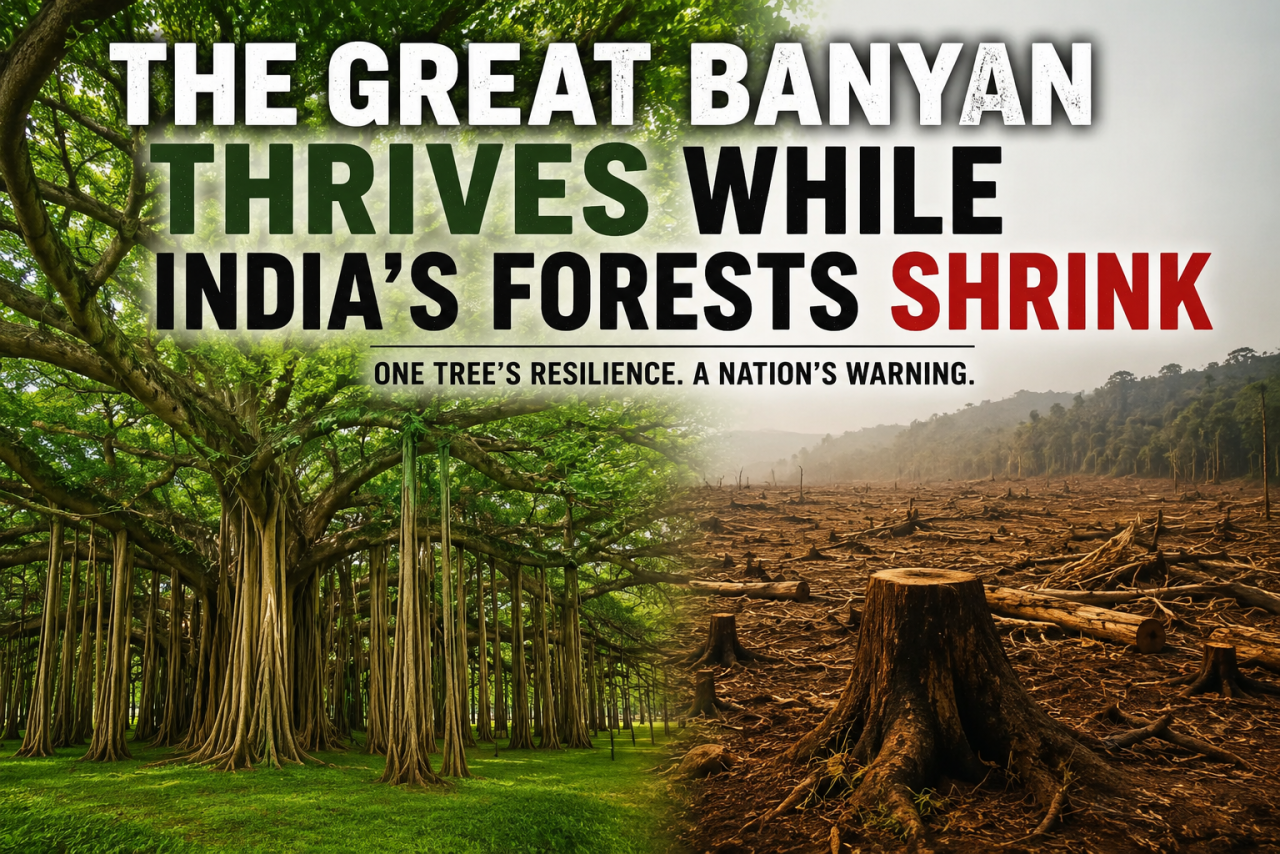
As of January 2026, India presents a curious environmental paradox to the world. On the global stage, we are celebrated. The latest Global Forest Resources Assessment (2025) ranks India 9th in total forest area and 3rd in annual net gains. Yet, for those living in the heat-choked corridors of Delhi or the landslide-prone slopes of the Western Ghats, these accolades feel like a cruel irony. The "green cover" that statistics celebrate is increasingly a hollow one, masking a systemic erosion of our nation’s true ecological wealth.
The Illusion of "Net Gain"
The fundamental crisis in Indian forestry is one of definition. Under the current biennial assessments, "forest cover" includes any land over one hectare with a canopy density above 10%. This broad stroke treats a 300-year-old biodiversity-rich jungle in Chhattisgarh the same as a commercial eucalyptus plantation or a manicured fruit orchard.
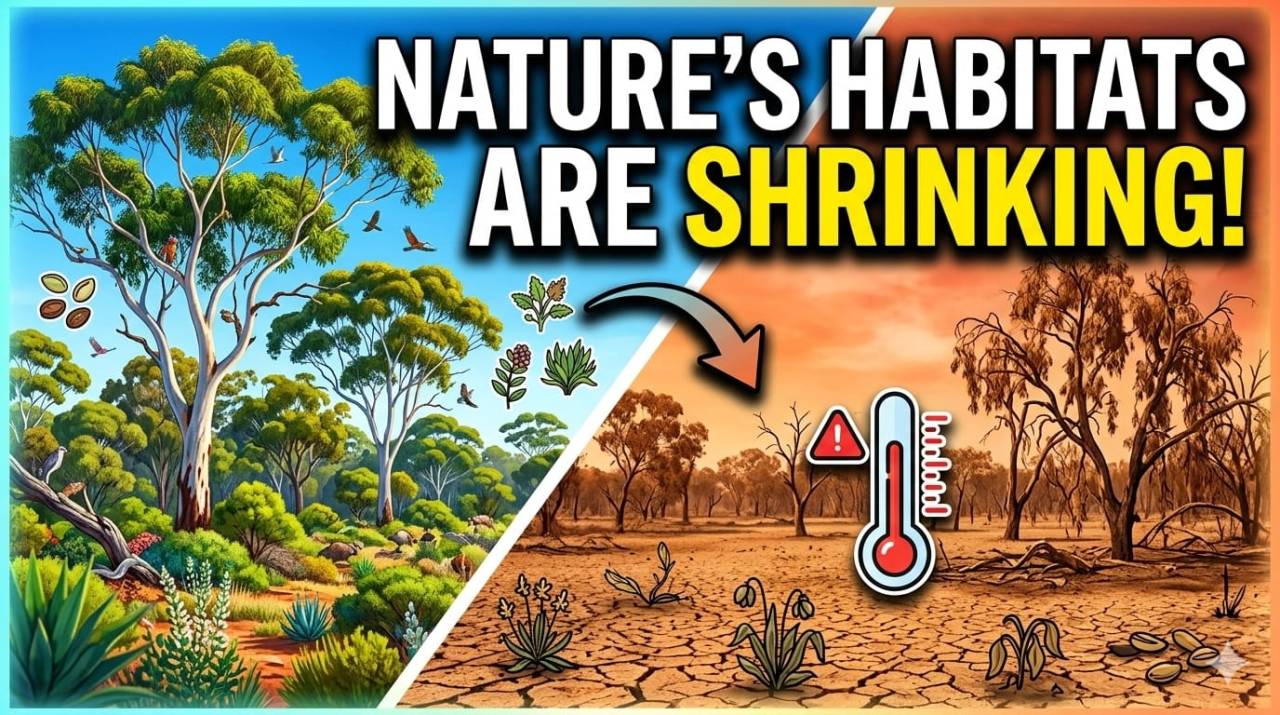
While the India State of Forest Report (ISFR) often highlights a net increase in green cover, independent data tells a darker story. In the decade leading up to 2025, India lost over 40,000 square kilometers of natural forest density—transitions where "Very Dense Forests" (VDF) were degraded into "Open Forests" or scrubland. We are essentially trading our ancient, carbon-absorbing lungs for "paper forests" that look green on a satellite but function as biological deserts.
A Decade of Diversion
Why is this happening? The answer lies in the aggressive push for infrastructure that views forests as obstacles rather than assets. In the 2023-2024 period, forest land diversion hit a ten-year high, with 29,000 hectares cleared for mining, highways, and power projects.
This trend has been institutionalized by the Forest (Conservation) Amendment Act of 2023. By exempting land within 100 kilometers of international borders for "strategic" projects and stripping protection from "unrecorded" forests, nearly 28% of India’s forest canopy has been left legally vulnerable. Just this week, in early 2026, new rules have further eased the path for private entities to establish commercial plantations on forest land without paying the long-standing "Net Present Value" (NPV) levies. We are effectively privatizing our environmental safeguards.
Why the Silence Matters
The mainstream narrative remains fixated on the "net gain," ignoring the three-pronged disaster this loss of quality creates:
The Water Debt: Our primary forests act as sponges. Without them, the "flood-and-drought" cycle intensifies. As dense cover vanishes, the groundwater recharge capacity of our river basins collapses, turning seasonal rains into destructive floods and summers into water-scarce nightmares.
Heat Bankruptcy: In 2025, India faced some of its most lethal heatwaves on record. Forests are regional air conditioners. When we fragment a forest for a highway, we destroy the micro-climate that keeps nearby districts habitable.
The Human-Wildlife War: Fragmentation has reached a breaking point. With migration corridors sliced by linear projects, elephants and tigers have no choice but to enter human settlements. This isn't "nature's aggression"—it is the desperate act of refugees whose homes have been converted into roadmaps.
Ecological Integrity
India stands at a crossroads. We can continue to tout "Tree Cover" as a proxy for environmental health, or we can start measuring what truly matters: Ecological Integrity.
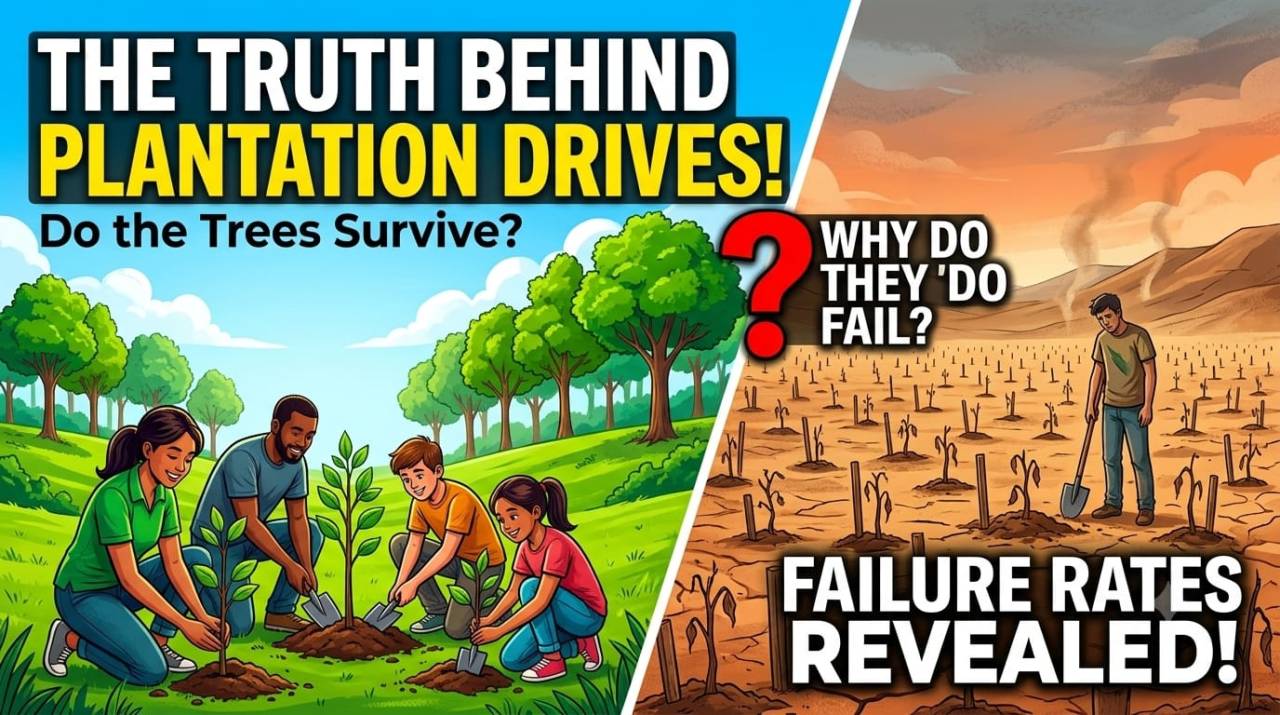
A plantation is not a forest. A highway through a tiger reserve is not "sustainable development." To save our future, we must move toward a "No-Go" policy for our remaining Very Dense Forests. We must demand a "Green Audit" that measures the loss of biodiversity and carbon sequestration, not just the number of saplings planted.
Our forests are the only infrastructure that can truly protect India from the climate volatility of the 21st century. If we continue to treat them as a disposable resource, the statistics will remain green, but our future will be scorched.



















Leave a Comment