
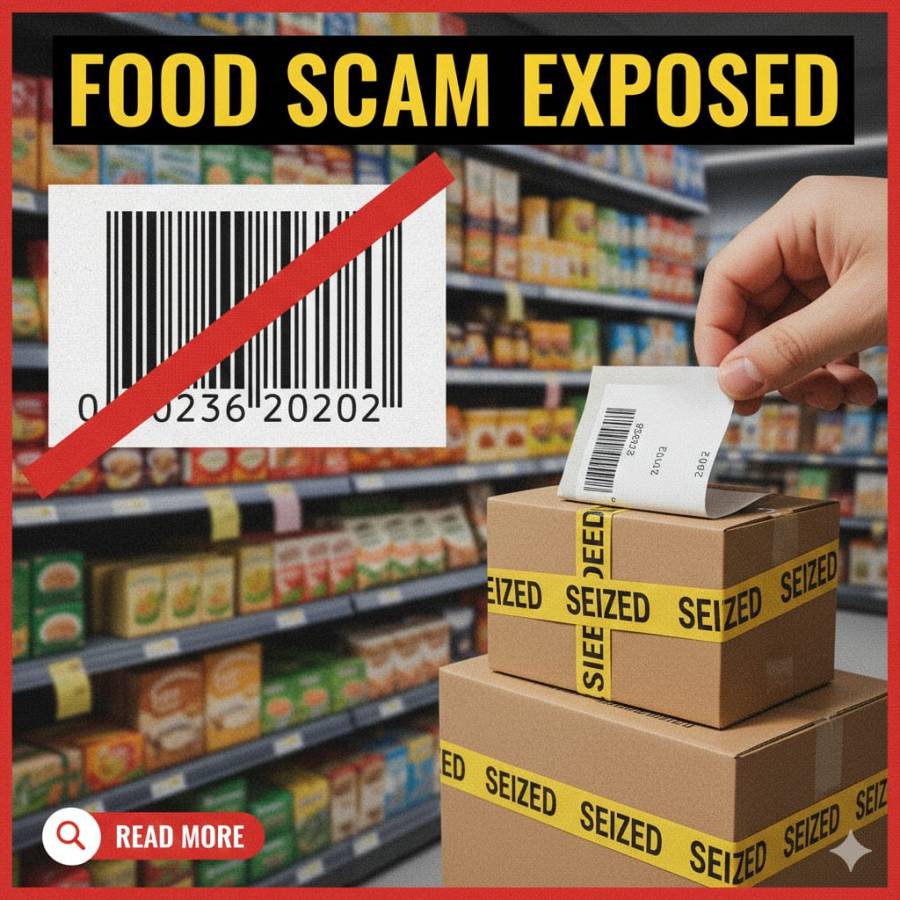
In a chilling revelation that has sent shockwaves through households across the nation, the Delhi Police Crime Branch has dismantled a sophisticated criminal network specializing in the distribution of expired international food products. The operation, which prioritized profit over public safety, highlights a terrifying lapse in the food supply chain, as nearly 44,000 kilograms of unfit consumables were seized from various warehouses.
A Calculated Betrayal of Trust
For most consumers, the label of a high-end international brand acts as a seal of quality. However, investigators discovered that this trust was being systematically exploited. The racket involved importing near-expiry or already expired goods from the UK, US, Dubai, and other global hubs at "throwaway prices."
Once these shipments reached Indian shores, the real deception began. In cramped godowns across Delhi, the syndicate employed specialized tools to tamper with original packaging. They didn't just scratch out dates; they meticulously forged new expiry labels, barcodes, and manufacturing stickers to make decaying products appear fresh and premium.
The Scale of the Seizure
The sheer volume of the recovered goods provides a grim look at the extent of the operation. Police officials confirmed the seizure of over 43,762 kg of products, valued at approximately ₹4.3 crore. The haul included:
- Beverages: 14,665 liters of sodas and juices.
- Snacks: Over 6,000 kg of chocolates, biscuits, and wafers.
- Condiments: 23,050 kg of sauces, including ketchup and mayonnaise.
Perhaps most disturbing was the inclusion of baby food among the seized items. Health experts warn that infants are particularly vulnerable to foodborne illnesses, making this specific aspect of the fraud a "grave threat to public health," according to Special Commissioner of Police Devesh Chandra Srivastava.
High-End Brands, Low-End Ethics
The list of brands recovered reads like a directory of a luxury supermarket. Household names such as Oreo, Biscoff, McVities, and Kellogg’s were found alongside premium beverages like Starbucks, Dr Pepper, and Arizona Tea. By using these reputable names, the racketeers ensured their products would find an easy home on the shelves of major retail chains, shopping malls, and even popular e-commerce platforms.
The Mastermind and the Modus Operandi
Following raids in the Pahari Dheeraj and Faiz Ganj areas of Sadar Bazar, police arrested seven individuals. The alleged mastermind has been identified as Atal Jaiswal (54). His accomplices—ranging in age from 25 to 50—functioned as a well-oiled machine, handling everything from sourcing and logistics to the technical aspect of relabeling.
The investigation revealed that the products were often unfit for consumption by the time they even reached India. The syndicate relied on the fact that most consumers only glance at the printed date and rarely question the integrity of the packaging itself.
Consumer Alert
This incident serves as a stark reminder that even the most expensive products are not immune to fraud. While the police have successfully "busted the pack of lies," the reality is that many of these products may have already reached kitchen pantries across the country.
Authorities are now urging citizens to be more vigilant. When shopping, look for signs of sticker layering, blurred ink on date stamps, or unusual textures in the packaging. This case has prompted a call for stricter oversight of imported goods and more frequent inspections of wholesale godowns.
As the legal proceedings against Jaiswal and his team begin, the focus remains on the survivors of this fraud: the public. In a market flooded with choices, the price of safety is eternal vigilance.
























Leave a Comment