

Ice cream is one of the most widely consumed desserts in the world today, but its history goes back several centuries. Historical records suggest that early forms of ice cream originated in China, where snow and ice were mixed with fruit juices and milk. From there, the idea traveled west. Marco Polo is believed to have introduced frozen desserts to Italy, while Catherine de Medici helped popularize them in France. In the United States, Thomas Jefferson documented an ice cream recipe, and Dolly Madison reportedly served ice cream at the White House in the early years of the republic.
The Indian subcontinent was also familiar with frozen desserts as early as the 16th century. Kulfi and other milk-based sweets were widely consumed, especially during the Mughal era. These desserts were often flavored with saffron, pistachio, rose, and cardamom. By 1776, the first ice cream shop had opened in New York City, marking the start of commercial ice cream sales.
What began as a luxury item for royal courts and elite households has now become a mass-consumed product. Today, ice cream is available across price ranges, from street vendors to premium brands. This shift has turned ice cream into a major global industry rather than just a seasonal treat.
One of the key reasons behind the ice cream boom is the change in production methods. Traditional hand-churned techniques have been replaced by automated machinery and temperature-controlled systems. These technologies allow manufacturers to produce large volumes while maintaining consistency in taste and texture. Modern processing also enables longer shelf life and wider distribution, which has helped brands reach smaller towns and rural markets.
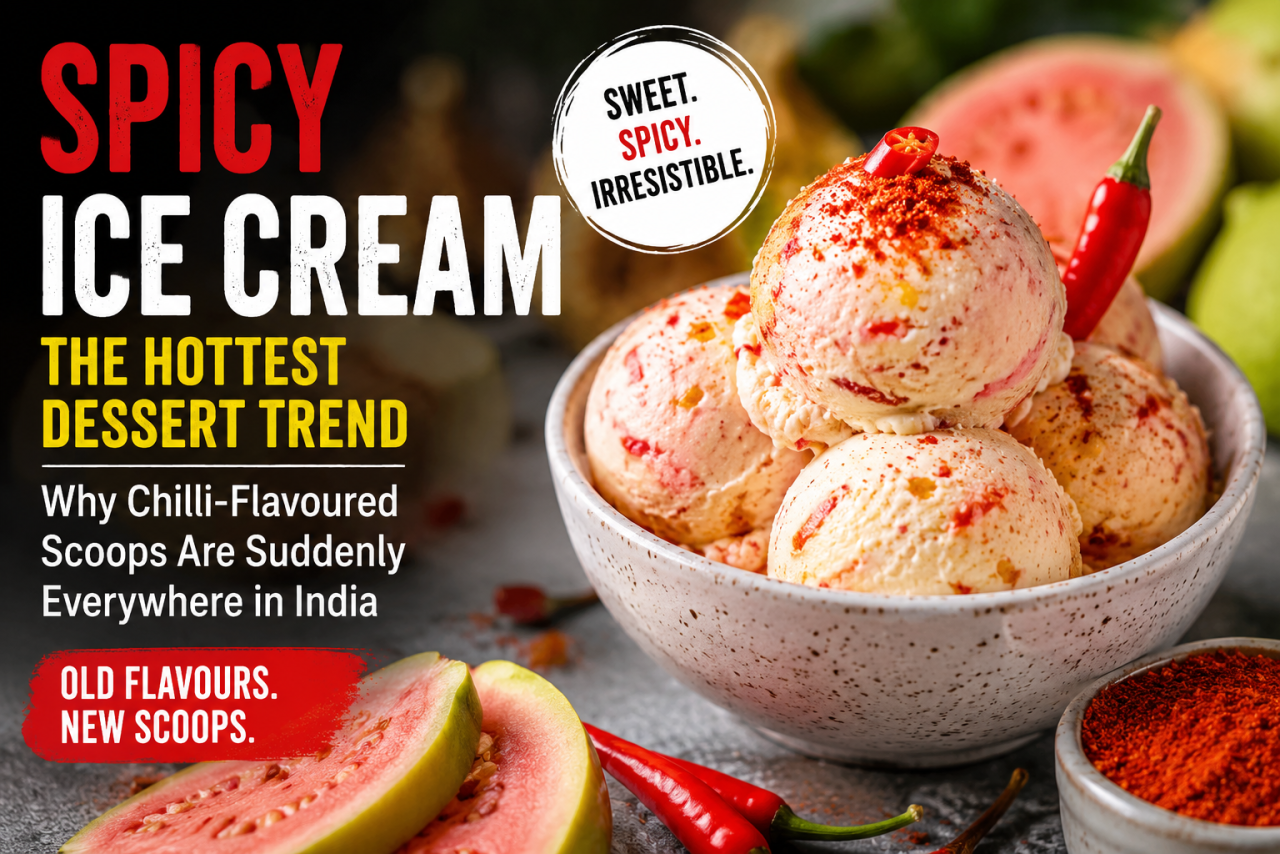
Ingredients and flavors have also evolved. Earlier, choices were limited to vanilla, chocolate, and a few fruit-based options. Today, consumers can find flavors inspired by regional fruits, traditional sweets, international desserts, and even savory ingredients. Alongside this, there has been a rise in dairy-free, vegan, low-sugar, and gluten-free ice creams. These options cater to people with dietary restrictions or health concerns and have expanded the consumer base.
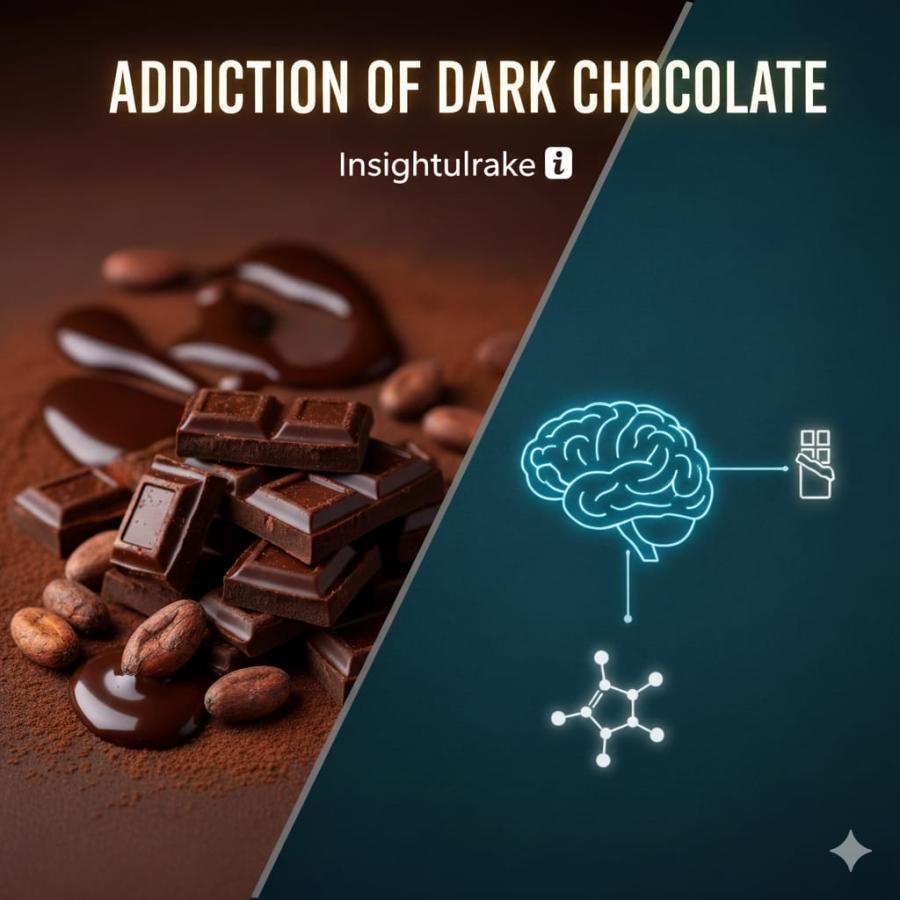
The emotional appeal of ice cream also plays a role in its growing demand. Sugar consumption triggers the release of dopamine in the brain, which creates a feeling of pleasure. Medical experts have noted that sugar can activate reward pathways similar to addictive substances. This helps explain why cravings for ice cream are common and demand remains steady across age groups.
In India, the ice cream market has shown strong growth over the past decade. In 2020, the market was valued at around INR 201.4 billion. Industry estimates suggest that it could grow at a compound annual growth rate of about 14 percent between 2021 and 2026, reaching a value of over INR 442 billion. Rising disposable incomes, urbanization, and improved cold storage infrastructure have supported this expansion.
Another important factor is the influence of social media. Food is no longer viewed only as nourishment but also as a form of visual content. Ice cream, with its bright colors, unique shapes, and creative presentation, performs well on digital platforms. Cafés and brands often design products with online visibility in mind, which further boosts demand.
The ice cream industry reflects larger changes in consumer habits, technology, and media culture. Its growth is driven not only by taste but also by accessibility, innovation, and changing lifestyles. As long as these factors remain in place, ice cream is likely to continue its steady expansion in both Indian and global markets.
























Leave a Comment