
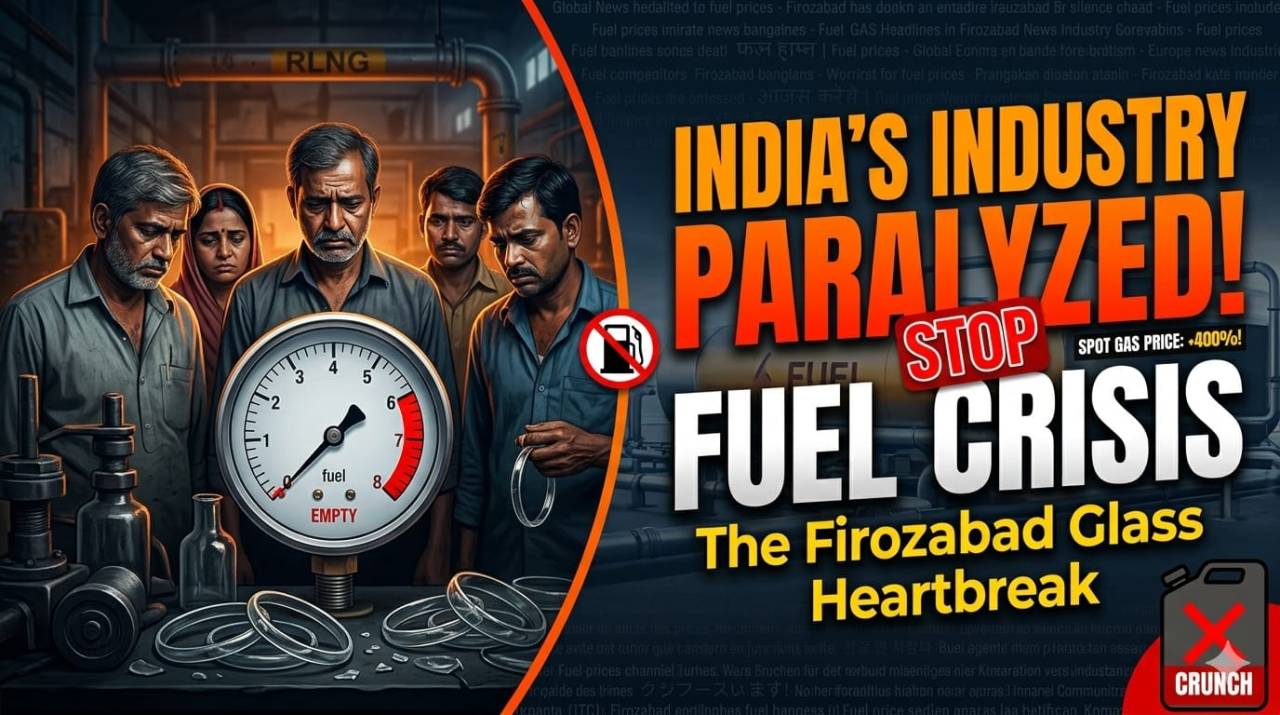
As fuel supplies tighten and costs surge, the furnaces of Firozabad are going cold—exposing how a global energy crisis is shaking the very foundation of India’s industrial economy.
The interconnected nature of the modern global economy means that a tremor in one corner of the world can cause a localized earthquake elsewhere. Currently, India’s industrial landscape is experiencing such a seismic shift. While the nation aims for rapid economic growth, a tightening grip on energy supplies—fuelled by geopolitical tensions in West Asia and volatile global markets—is hitting home.
A stark example of this crisis is unfolding in the historic city of Firozabad, Uttar Pradesh. Known globally as the "Glass City of India," Firozabad is a testament to how specialized industrial hubs are uniquely vulnerable to fluctuations in fuel availability and pricing.
The Firozabad Crisis: A Microcosm of Industrial Distress
Firozabad’s world-renowned glass and bangle industry is currently gasping for breath. Geopolitical tensions in West Asia, specifically involving Iran, Israel, and the United States, have severely disrupted the supply lines of essential fuel. This historic hub, which houses approximately 200 registered glasswork units, heavily relies on Regasified Liquefied Natural Gas (RLNG).
The impact is devastatingly visible. Out of these 200 units, only about 130 to 140 remain operational, and even those are functioning at a fraction of their capacity. Production has plummeted by as much as 50% to 60%. The core of the problem lies in a drastic cut in gas supply coupled with a sharp rise in operational costs. When the primary fuel needed to fire massive glass furnaces becomes both scarce and prohibitively expensive, the entire manufacturing chain begins to collapse.
Beyond Supply: The Cost of Global Volatility
For many Indian industries, the alternative to long-term gas contracts is the "spot market." However, spot gas prices can often be four times the cost of contracted supply, making it financially impossible for many manufacturing units to survive.
In Firozabad, the crisis is compounded by a simultaneous drop in international demand. Major markets like the United States—which historically accounts for 60% of total glass exports from the city—are seeing a decline in orders. This creates a "double whammy" effect: industries are facing surging input costs at a time when their revenue streams from exports are dwindling. The ripple effects of the West Asia conflict have cast a long shadow over lucrative trade seasons, including orders for Christmas, Halloween, and harvest festivals in the West.
The Human Element: Jobs and Livelihoods at Risk
Industries are not just about machinery and output; they are the lifelines for millions. In Firozabad alone, an estimated 4 to 5 lakh (400,000 to 500,000) laborers depend on the glass industry for their livelihood. As units shut down or scale back operations, these workers face immediate financial insecurity.
Manufacturing hubs are struggling to retain their skilled labor force. When a worker loses their job in a specialized field like glassmaking, finding equivalent employment is difficult, leading to migration or a descent into poverty. This loss of human capital can have long-term negative effects on the region’s industrial capabilities.
Environmental Policy Meets Energy Scarcity
The situation is further complicated by environmental regulations. Many industrial units in North India fall within the Taj Trapezium Zone (TTZ), an area established to protect the Taj Mahal from pollution. Industries within this zone are mandated to use eco-friendly fuels supplied by the Gas Authority of India Ltd (GAIL) or relocate.
While Firozabad's glass units successfully transitioned to cleaner fuel (RLNG) to comply with these environmental norms, they are now uniquely vulnerable to its supply chain disruptions. This highlights a critical challenge for Indian policymakers: how to balance necessary environmental protections with the need for a stable, affordable, and secure energy supply for domestic industries.
Broader Implications for Indian Industry
The fuel crisis in Firozabad is a warning sign for other sectors across India. From ceramics in Gujarat to textile hubs in Tamil Nadu, many industries are energy-intensive and rely on stable fuel prices to remain competitive globally.
- Increased Production Costs: Higher fuel prices lead to increased transportation and manufacturing costs, which are eventually passed on to consumers, contributing to domestic inflation.
- Loss of Global Competitiveness: As Indian manufacturers struggle with high energy costs, they lose their edge against global competitors, such as China, who may have access to subsidized or more stable energy sources.
- Delayed Industrial Growth: Persistent energy uncertainty discourages new investments. Businesses are hesitant to expand or modernize when they cannot accurately forecast their primary operating costs.
The Path Forward: Seeking Energy Resilience
To mitigate the impact of future fuel crises, India must focus on building a more resilient industrial energy framework. This includes:
- Diversifying Energy Sources: Reducing over-reliance on a single fuel type or geographic region for energy imports.
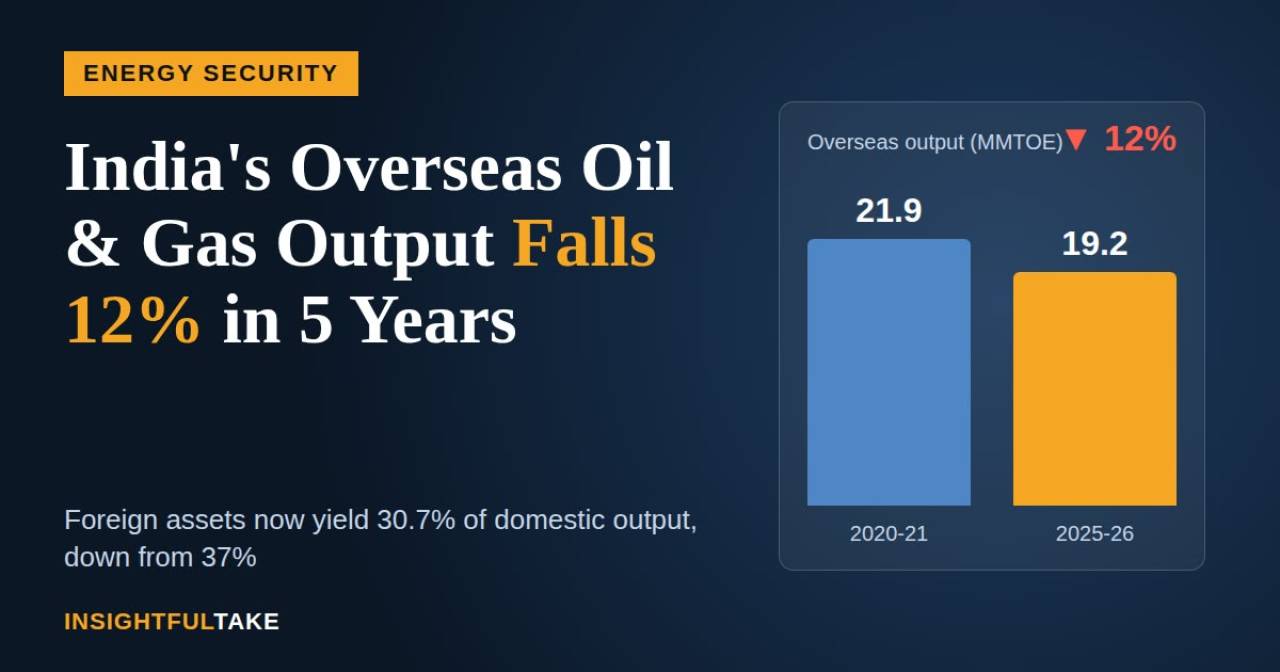
- Strengthening Domestic Production: Increasing investment in domestic natural gas production and exploring alternative energy sources like green hydrogen.
- Strategic Reserves: Building larger strategic reserves of natural gas to cushion against short-term supply shocks.
- Support for SMEs: Providing targeted financial support or temporary subsidies to Small and Medium Enterprises (SMEs) in energy-intensive sectors during periods of extreme volatility.
Final Take
The current fuel crunch hitting Firozabad is more than a localized issue; it is a symptom of a larger, global energy instability that threatens India’s industrial progress. As geopolitical tensions continue to influence global markets, the need for a robust, diversified, and stable energy strategy has never been more urgent. Protecting the livelihoods of millions of workers and the competitiveness of Indian exports depends on the nation’s ability to navigate these turbulent energy waters. The flickering furnaces of Firozabad serve as a stark reminder that energy security is the foundation upon which industrial prosperity is built.
























Leave a Comment