
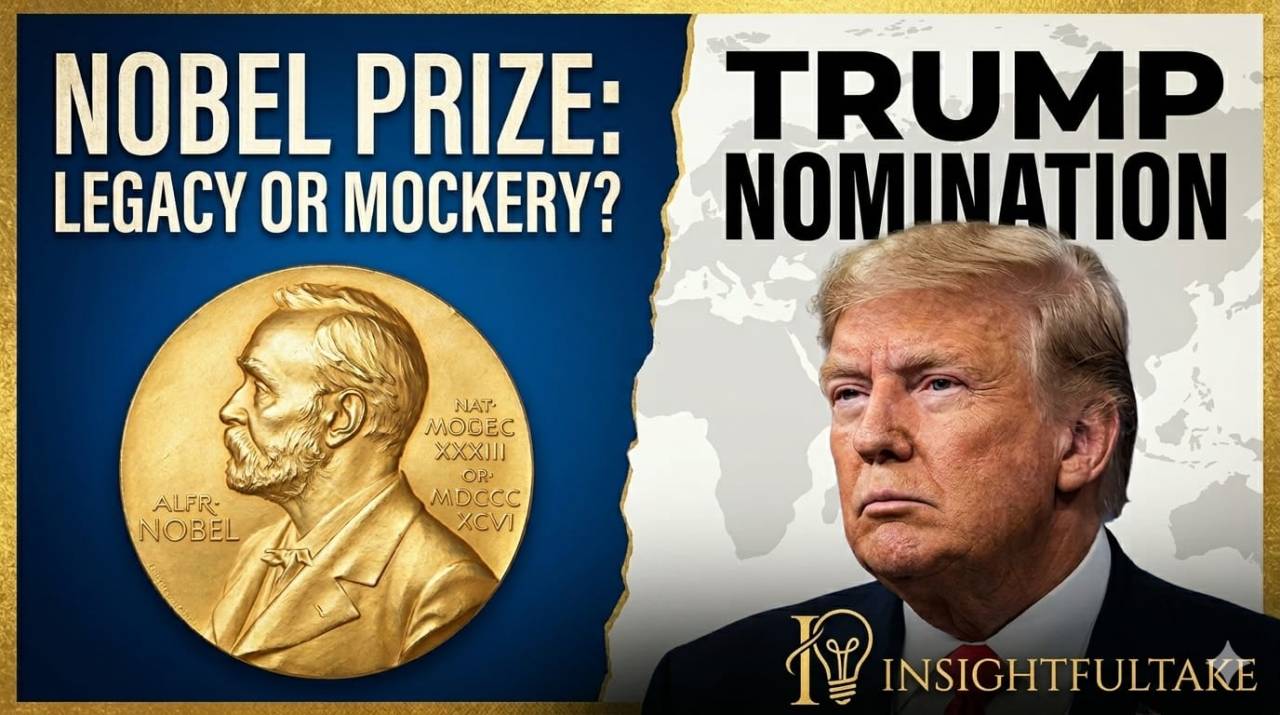
What defines true peace—powerful deals or moral courage? As the 2026 Nobel Peace Prize nominations spark debate, the contrast between Mahatma Gandhi and Donald Trump raises urgent questions about the award’s credibility.
The Nobel Peace Prize is widely regarded as one of the most prestigious honors in the world. Established through the will of Alfred Nobel, it seeks to recognize individuals and organizations that have contributed significantly to peace, international cooperation, and the reduction of conflict. Yet, as the 2026 nominations unfold, the prize finds itself at the center of a renewed global debate over its credibility, purpose, and moral authority.
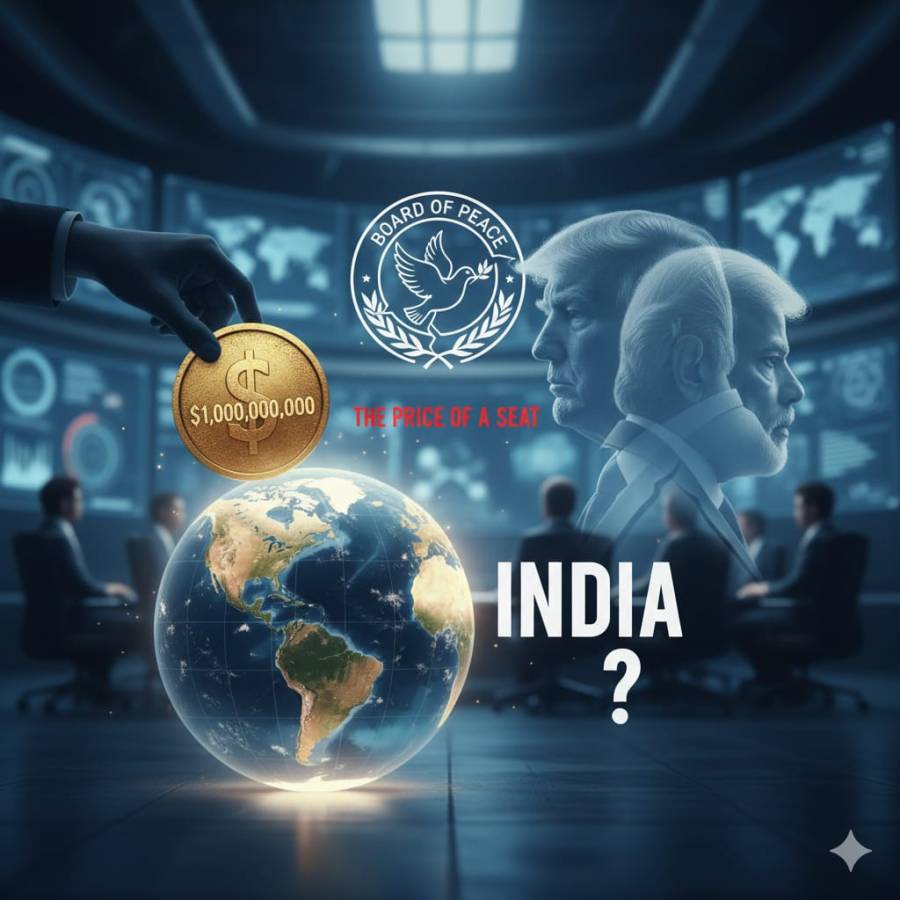
According to the Norwegian Nobel Committee, 287 candidates—including 208 individuals and 79 organizations—have been nominated this year. Among them, one of the most widely discussed names is U.S. President Donald Trump, whose nomination has sparked intense reactions across political and public spheres.
Understanding the Controversy
It is essential to clarify that a nomination does not equate to endorsement. The Nobel Peace Prize nomination process allows a broad group of eligible individuals—including lawmakers, academics, and past laureates—to propose candidates. In 2026, leaders from countries such as Cambodia, Israel, and Pakistan have publicly supported Trump’s nomination, citing his involvement in diplomatic initiatives and conflict resolution efforts.
Supporters argue that his role in agreements like the Abraham Accords reflects a pragmatic approach to peacebuilding. Critics, however, see a stark contradiction. They contend that the prize should honor individuals whose legacy embodies consistent moral leadership, non-violence, and global unity—not figures associated with divisive rhetoric or nationalist policies.
This divide raises a fundamental question: Has the Nobel Peace Prize broadened its definition of “peace,” or is it diluting its core values?
The Shadow of Gandhi
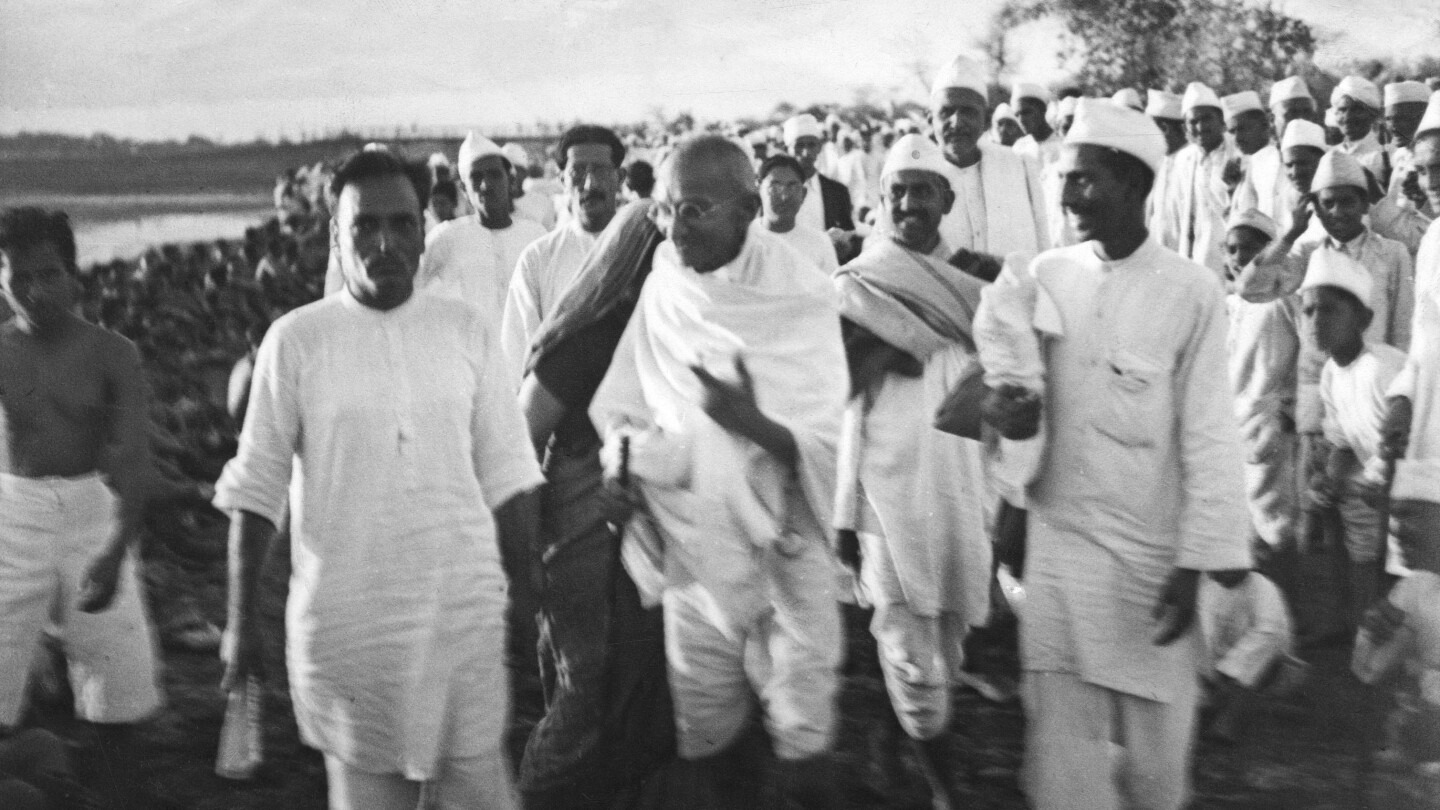
Any discussion about the Nobel Peace Prize’s moral standing inevitably leads back to Mahatma Gandhi. Revered globally as a symbol of non-violence (Ahimsa) and truth (Satyagraha), Gandhi was nominated for the prize five times but never received it.
This omission remains one of the most frequently cited criticisms of the Nobel Committee. Gandhi’s philosophy influenced global leaders and movements, shaping the very ideals the prize claims to uphold. His absence from the list of laureates raises enduring questions about the committee’s judgment during critical historical moments.
The contrast becomes sharper in today’s context. If a modern political figure—especially one perceived as polarizing—were to receive the award, it would inevitably invite comparisons with Gandhi. The implication is not merely symbolic; it challenges the very benchmark of what constitutes “peace” in the eyes of the Nobel Committee.
A Legacy at Stake
The Nobel Peace Prize has historically been awarded to transformative figures such as Nelson Mandela, Martin Luther King Jr., and Malala Yousafzai—individuals who risked their lives and endured immense personal sacrifice for justice and human rights.
Against this backdrop, the inclusion of controversial political figures on the nominee list fuels concerns about the prize’s evolving identity. Critics fear that if the award begins to reflect geopolitical considerations more than ethical ones, it risks undermining its own legacy.
The Secretary of the Norwegian Nobel Committee, Kristian Berg Harpviken, has emphasized that the prize is more relevant than ever in a world facing escalating conflicts. However, relevance alone is not enough. The legitimacy of the award depends on whether its recipients truly embody the spirit of peace—not merely through negotiations or agreements, but through values of justice, empathy, and unity.
The 2026 Crossroads
The 2026 shortlist also includes names such as Russian opposition figure Yulia Navalnaya and grassroots initiatives like Sudan’s Emergency Response Rooms—representing courage, resistance, and community-driven peacebuilding.
As the world awaits the final announcement in October, the Nobel Committee faces a defining moment. Its decision will not only determine this year’s laureate but also signal the direction in which the prize is heading.
Final Take
The debate surrounding the 2026 Nobel Peace Prize is not just about one nominee—it is about the integrity of an institution. The contrast between figures like Mahatma Gandhi and Donald Trump encapsulates a deeper dilemma: Should the prize reward pragmatic political outcomes, or should it remain anchored in moral idealism?
The answer will shape how future generations perceive the Nobel Peace Prize. If it continues to drift toward political symbolism, it risks losing the very essence that once made it a beacon of global hope. True peace is not merely negotiated—it is lived, practiced, and upheld through unwavering character.
In the end, the Nobel Peace Prize must decide whether it reflects power or principle. Its legacy depends on that choice.
The Nobel Peace Prize is widely regarded as one of the most prestigious honors in the world. Established through the will of Alfred Nobel, it seeks to recognize individuals and organizations that have contributed significantly to peace, international cooperation, and the reduction of conflict. Yet, as the 2026 nominations unfold, the prize finds itself at the center of a renewed global debate over its credibility, purpose, and moral authority.
According to the Norwegian Nobel Committee, 287 candidates—including 208 individuals and 79 organizations—have been nominated this year. Among them, one of the most widely discussed names is U.S. President Donald Trump, whose nomination has sparked intense reactions across political and public spheres.
Understanding the Controversy
It is essential to clarify that a nomination does not equate to endorsement. The Nobel Peace Prize nomination process allows a broad group of eligible individuals—including lawmakers, academics, and past laureates—to propose candidates. In 2026, leaders from countries such as Cambodia, Israel, and Pakistan have publicly supported Trump’s nomination, citing his involvement in diplomatic initiatives and conflict resolution efforts.
Supporters argue that his role in agreements like the Abraham Accords reflects a pragmatic approach to peacebuilding. Critics, however, see a stark contradiction. They contend that the prize should honor individuals whose legacy embodies consistent moral leadership, non-violence, and global unity—not figures associated with divisive rhetoric or nationalist policies.
This divide raises a fundamental question: Has the Nobel Peace Prize broadened its definition of “peace,” or is it diluting its core values?
The Shadow of Gandhi
Any discussion about the Nobel Peace Prize’s moral standing inevitably leads back to Mahatma Gandhi. Revered globally as a symbol of non-violence (Ahimsa) and truth (Satyagraha), Gandhi was nominated for the prize five times but never received it.
This omission remains one of the most frequently cited criticisms of the Nobel Committee. Gandhi’s philosophy influenced global leaders and movements, shaping the very ideals the prize claims to uphold. His absence from the list of laureates raises enduring questions about the committee’s judgment during critical historical moments.
The contrast becomes sharper in today’s context. If a modern political figure—especially one perceived as polarizing—were to receive the award, it would inevitably invite comparisons with Gandhi. The implication is not merely symbolic; it challenges the very benchmark of what constitutes “peace” in the eyes of the Nobel Committee.
A Legacy at Stake
The Nobel Peace Prize has historically been awarded to transformative figures such as Nelson Mandela, Martin Luther King Jr., and Malala Yousafzai—individuals who risked their lives and endured immense personal sacrifice for justice and human rights.
Against this backdrop, the inclusion of controversial political figures on the nominee list fuels concerns about the prize’s evolving identity. Critics fear that if the award begins to reflect geopolitical considerations more than ethical ones, it risks undermining its own legacy.
The Secretary of the Norwegian Nobel Committee, Kristian Berg Harpviken, has emphasized that the prize is more relevant than ever in a world facing escalating conflicts. However, relevance alone is not enough. The legitimacy of the award depends on whether its recipients truly embody the spirit of peace—not merely through negotiations or agreements, but through values of justice, empathy, and unity.
The 2026 Crossroads
The 2026 shortlist also includes names such as Russian opposition figure Yulia Navalnaya and grassroots initiatives like Sudan’s Emergency Response Rooms—representing courage, resistance, and community-driven peacebuilding.
As the world awaits the final announcement in October, the Nobel Committee faces a defining moment. Its decision will not only determine this year’s laureate but also signal the direction in which the prize is heading.
Final Take
The debate surrounding the 2026 Nobel Peace Prize is not just about one nominee—it is about the integrity of an institution. The contrast between figures like Mahatma Gandhi and Donald Trump encapsulates a deeper dilemma: Should the prize reward pragmatic political outcomes, or should it remain anchored in moral idealism?
The answer will shape how future generations perceive the Nobel Peace Prize. If it continues to drift toward political symbolism, it risks losing the very essence that once made it a beacon of global hope. True peace is not merely negotiated—it is lived, practiced, and upheld through unwavering character.
In the end, the Nobel Peace Prize must decide whether it reflects power or principle. Its legacy depends on that choice.








Leave a Comment