

It is an analytical assessment based on recent geopolitical developments and China’s observable foreign policy behavior.
In international politics, power is measured by both economic reach and the ability to protect partners during crises. Over the past two decades, China has emerged as a major global economic force. It has expanded trade networks, invested in infrastructure, and secured long-term energy supplies across Asia, Africa, Latin America, and the Middle East. However, recent developments indicate that China’s global role remains largely economic, with limited involvement in providing security support to its partners.
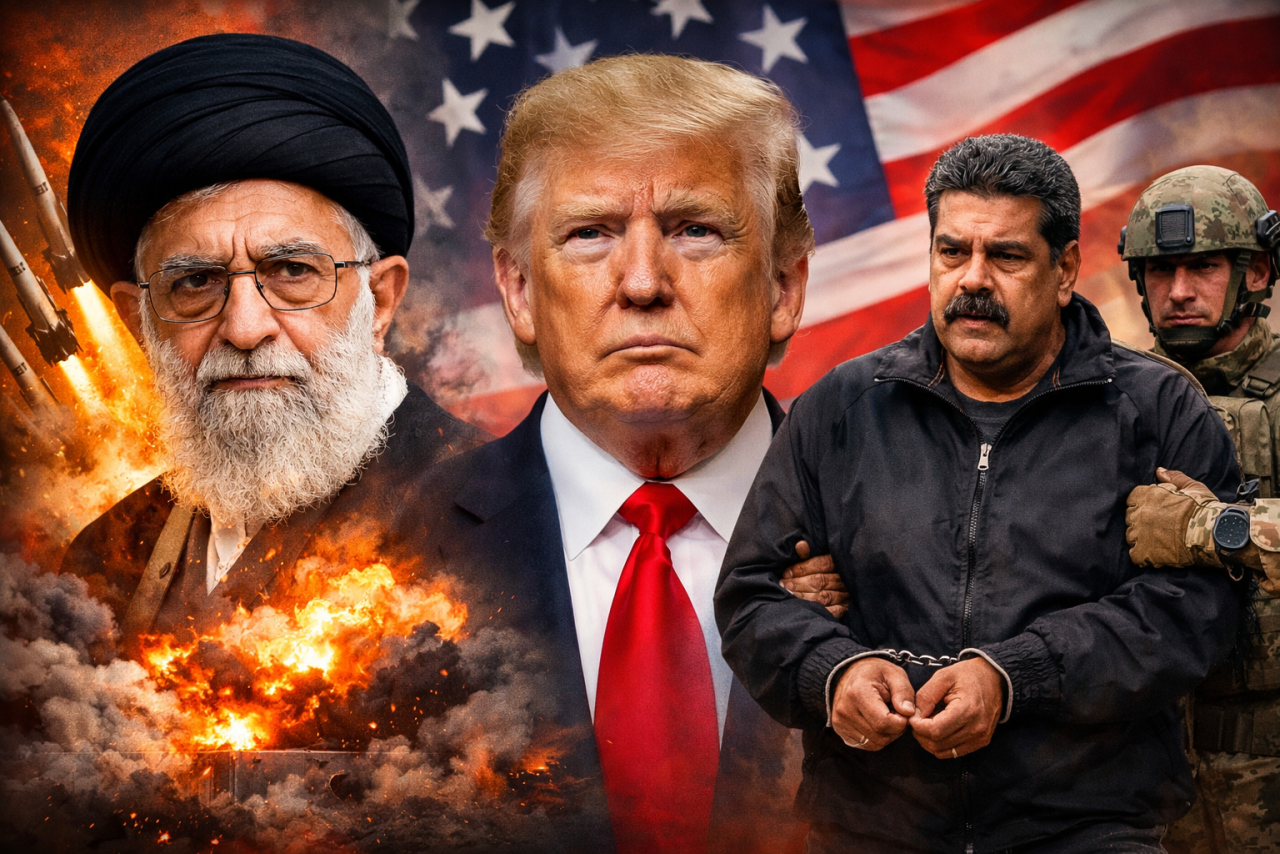
Recent developments in Venezuela highlight this limitation. Venezuela had been a key economic partner of China for many years. China invested heavily in Venezuela’s oil sector and provided large loans in exchange for oil shipments. These arrangements helped China secure crude oil at favorable prices while offering Venezuela financial support during periods of Western sanctions. However, when the Venezuelan leadership faced direct pressure and intervention by the United States, China’s response remained limited. It confined itself to diplomatic statements and calls for dialogue, without taking steps to actively protect its strategic or economic interests on the ground.
A similar pattern can be observed in China’s relationship with Iran. China has remained one of Iran’s largest buyers of oil, particularly during periods of strict Western sanctions. Iranian oil was supplied to China at discounted rates, helping Beijing strengthen its energy security. China also entered into long-term cooperation agreements with Iran covering trade, infrastructure, and energy development. Yet, when Iran faced military threats, economic pressure, and targeted actions, China avoided direct involvement. It did not offer security guarantees or military backing and continued to limit its engagement to economic cooperation.
Russia provides another relevant example. After the escalation of the Ukraine conflict and the imposition of Western sanctions, China expanded its oil and gas trade with Russia. Due to restricted access to Western markets, Russian energy became available at lower prices, which benefited China economically. At the same time, China remained cautious in its political and military posture. It avoided providing military assistance and kept its support limited to trade, diplomacy, and neutral public messaging. This approach helped China maintain economic ties while avoiding direct confrontation with the United States and Europe.
Taken together, these cases reflect a consistent pattern in China’s foreign policy behavior. China continues to engage economically with partners facing international pressure, but it avoids security commitments that could draw it into military conflict. Unlike the United States, China does not maintain a global network of military alliances or overseas bases. Its global influence is built primarily through trade, investment, and energy cooperation rather than military protection.
One key reason for this approach is China’s long-standing policy of non-interference in the internal affairs of other states. Direct military involvement would contradict this principle and expose China to diplomatic and strategic risks. Another reason is China’s effort to avoid direct military confrontation with the United States, which continues to dominate global security structures through alliances such as NATO and extensive military deployments worldwide.
China’s military strategy also remains largely regional in nature. Its primary security concerns are focused on East Asia, including Taiwan, the South China Sea, and its land borders. Providing security support to partners in regions such as Latin America or the Middle East would require a global military presence that China does not yet possess. Developing such capabilities would involve significant costs and long-term political risks.
As a result, China functions mainly as an economic power rather than a global security provider. It gains access to energy resources, markets, and political influence through trade and investment, while avoiding the responsibilities associated with military protection. This approach makes China an attractive economic partner for countries facing Western sanctions, but it also highlights the limits of Chinese support during periods of crisis.
For countries that depend heavily on China, this has important implications. Economic cooperation with China can provide short-term relief and development opportunities, but it does not ensure protection during moments of political or military pressure. In such situations, these countries are often left to rely on their own capabilities.
In global politics, durable partnerships are shaped not only by economic ties but also by shared risks and responsibilities. China’s current approach shows a clear preference for economic stability over security involvement. Until this approach changes, China is likely to remain a major trading power with limited willingness to act as a strategic protector in the international system.
By Gautam Jha
Managing Editor



















Leave a Comment