

The recent wave of violence in Bangladesh following the assassination of student leader Sharif Osman Hadi has plunged the nation into a state of profound instability. What began as a transition toward democratic restoration under Chief Adviser Muhammad Yunus has rapidly devolved into what many observers describe as a "dance with anarchy." This shift is not merely an internal crisis; it is a geopolitical fault line that threatens to permanently alter the delicate security architecture of South Asia, specifically the critical relationship between Dhaka and New Delhi.
The Spark: The Death of Sharif Osman Hadi
The catalyst for the current chaos was the targeted killing of Sharif Osman Hadi, a prominent leader of the 2024 July Uprising and spokesperson for the radical platform Inqilab Mancha. Shot in Dhaka on December 12 and succumbing to his injuries in Singapore on December 18, 2025, Hadi’s death acted as a lightning rod for simmering frustrations.
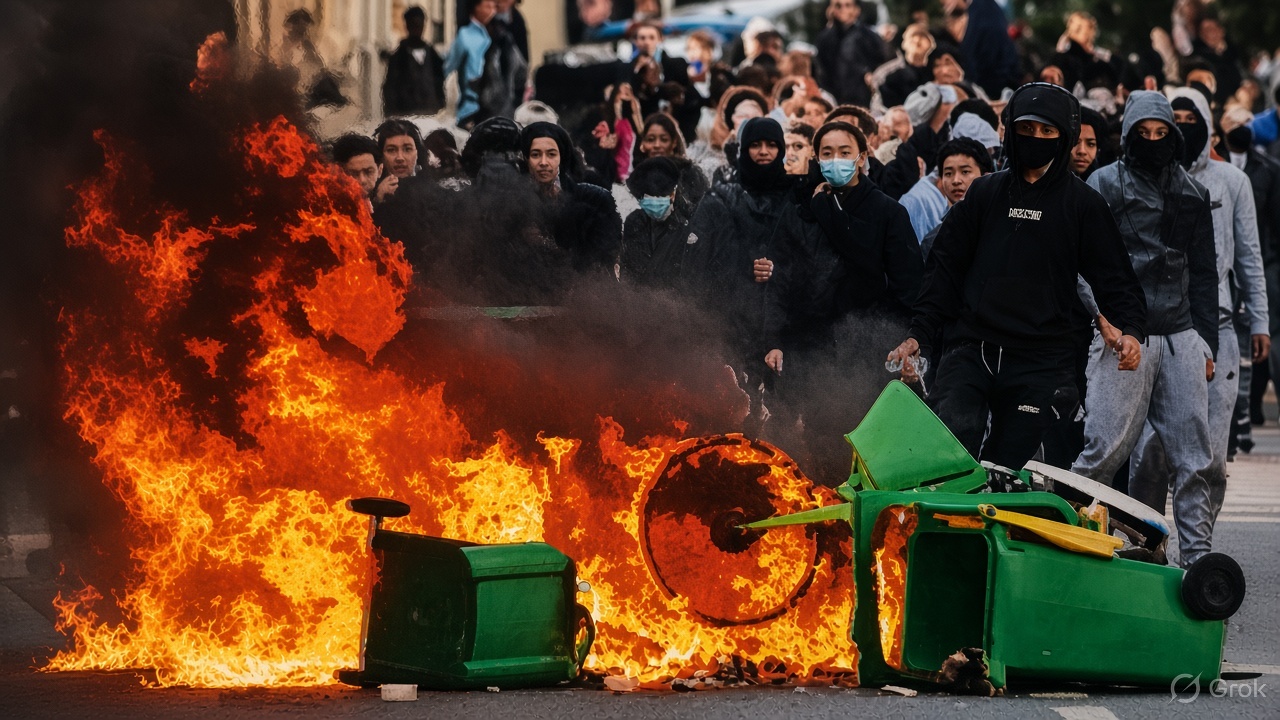
While the interim government has promised justice, the streets have responded with "mobocracy." Protesters have targeted media houses like Prothom Alo and The Daily Star, cultural landmarks, and diplomatic missions. The vacuum left by the ouster of the Awami League has been filled by a virulent strain of anti-India sentiment, fanned by groups like Jamaat-e-Islami and radical student factions who view India’s historical support for the secular origins of Bangladesh as an "unwelcome hegemony."
A Fragile Interim Governance
Professor Muhammad Yunus, once celebrated as the "banker to the poor," now finds himself presiding over a crumbling law-and-order situation. Despite his recent assurances to international envoys that elections will proceed on February 12, 2026, there is a growing question mark over whether a "free and fair" vote is possible in an environment where mobs dictate terms.
Critics, including former Prime Minister Sheikh Hasina, argue that the Yunus administration has been "foisted" upon the country with little control over extremist elements. By allowing the situation to drift, the interim government has inadvertently empowered a narrative that blames New Delhi for Bangladesh's political woes. This shift represents a dangerous departure from the "1971 Consensus"—the historic bond forged during the Liberation War.
The Strategic Threat to India
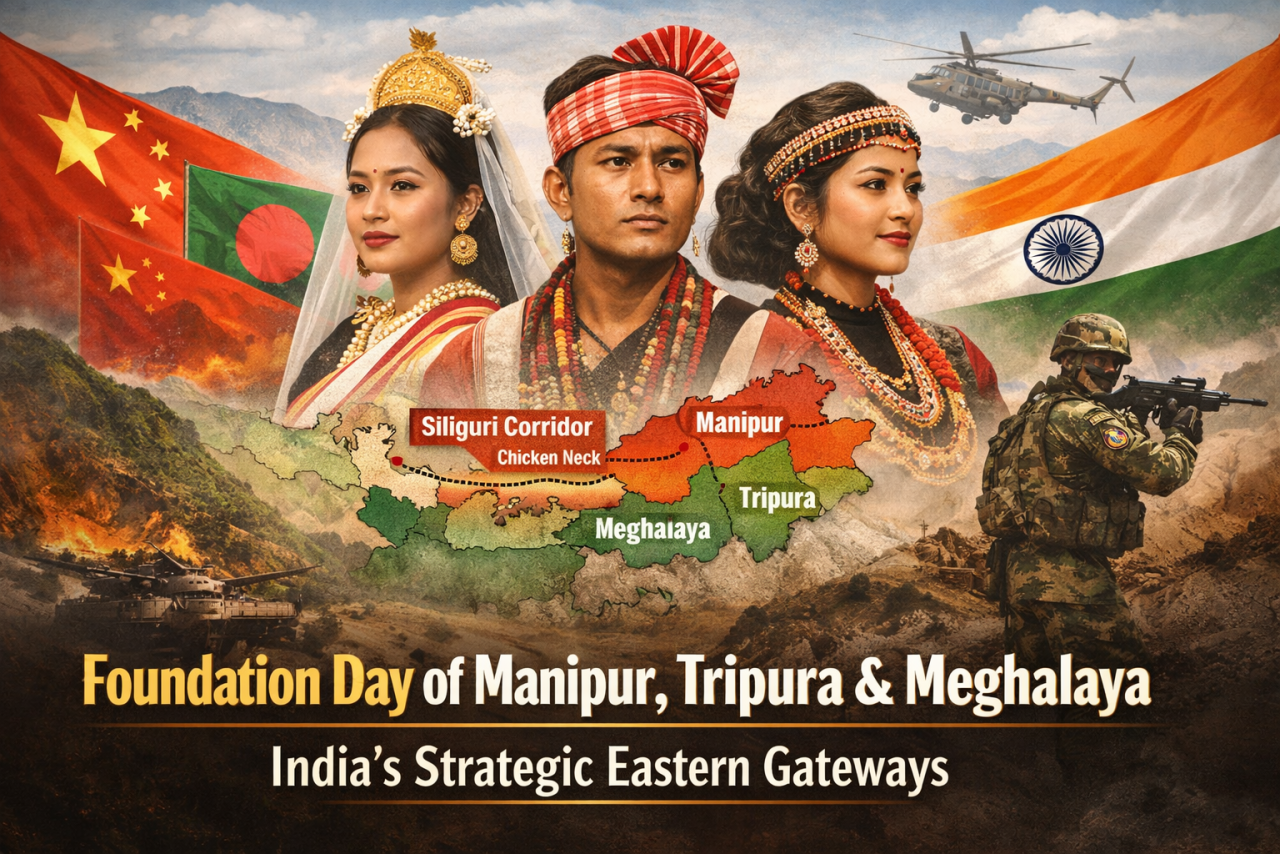
For New Delhi, the "anarchy" in Dhaka is more than a diplomatic headache; it is a direct security challenge. The rhetoric emanating from student leaders and certain political factions has begun to target India’s geographical vulnerabilities, specifically the Siliguri Corridor (the "Chicken's Neck") and the porous 4,000-km-plus border.
Several factors are driving this deterioration:
Strategic Realignment: There is visible evidence of a pivot toward Pakistan and China. Recent reports of trilateral meetings in Kunming and increased defense cooperation with Islamabad signal a move away from the traditional Dhaka-Delhi axis.
Persecution of Minorities: The lynching of minority members and the targeting of Hindu households have sparked outrage in India, leading to protests by organizations like the VHP and a suspension of visa services by the Bangladesh High Commission in New Delhi.
Cross-Border Instability: A volatile Bangladesh risks becoming a sanctuary for insurgent groups and a hub for the smuggling of drugs, cattle, and arms, directly impacting India’s Northeast.
Pragmatism vs. Sentiment
New Delhi has historically privileged the "emotional spirit of 1971," but the current climate demands a shift toward cold-blooded pragmatism. India must prepare to play the "long game"—engaging with all political actors in Bangladesh while remaining firm on the security of its missions and the protection of minorities.
The upcoming February elections are the "litmus test." If the polls are held amidst violence or if certain major parties are excluded, the resulting government may lack the legitimacy to curb the "fringe elements" currently holding the streets hostage.
Final Take
Bangladesh is at a crossroads. One path leads toward a restored democracy that honors its secular roots and regional partnerships; the other leads toward a perpetual dance with anarchy that empowers extremists and invites foreign interference. For the sake of regional stability, it is imperative that Dhaka moves beyond the politics of retribution and focuses on restoring the rule of law. A hostile relationship with India will not benefit the people of Bangladesh; it will only isolate a nation that is already teetering on the edge.
By Gautam Jha
Managing Editor




















Leave a Comment