

The United Kingdom has taken a firm step to address childhood obesity by enforcing strict limits on junk food advertising. Under the new rules, advertisements for foods high in fat, sugar, or salt (HFSS) are banned on television before the 9pm watershed and completely prohibited on paid online platforms. The policy reflects a clear public health priority for protecting children from unhealthy food marketing.
British health officials estimate that the move could remove up to 7.2 billion calories from children’s diets every year and prevent around 20,000 cases of childhood obesity. Over time, it is also expected to ease pressure on the National Health Service by reducing diet-related illnesses such as Type 2 diabetes and dental problems.
The goal is to reduce how often children are exposed to advertisements for unhealthy food. British policymakers have acknowledged that children cannot make informed choices when they are constantly targeted by sophisticated marketing. The focus, therefore, is on prevention rather than treatment.
In India, the situation stands in sharp contrast.
Despite growing concerns over food safety, the Food Safety and Standards Authority of India (FSSAI) is facing increasing public criticism. Social media platforms are filled with accusations that the regulator is ineffective and slow to act, raising questions about its ability to protect consumers.
This loss of trust has been driven by repeated controversies. Reports of excessive sugar in children’s health drinks, allegations of pesticide residues in spices, and recurring cases of unsafe street food have made many Indians feel exposed and unprotected. While the FSSAI has issued guidelines and advisories, critics argue that enforcement is weak and accountability is limited.
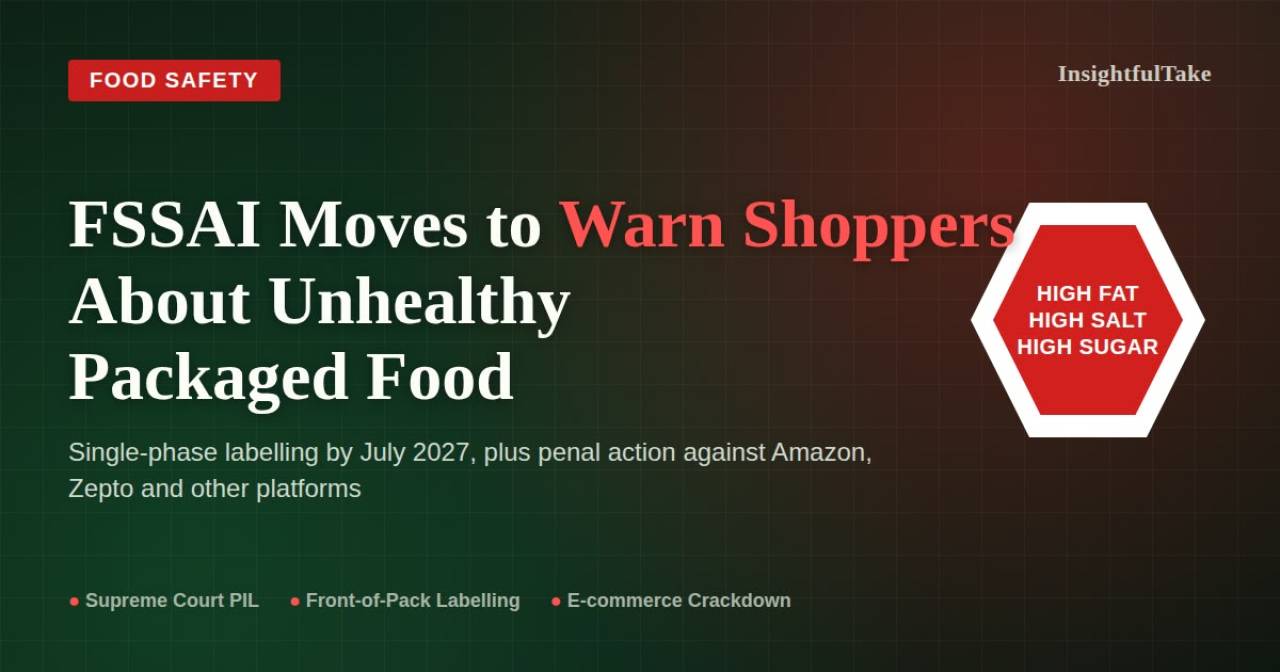
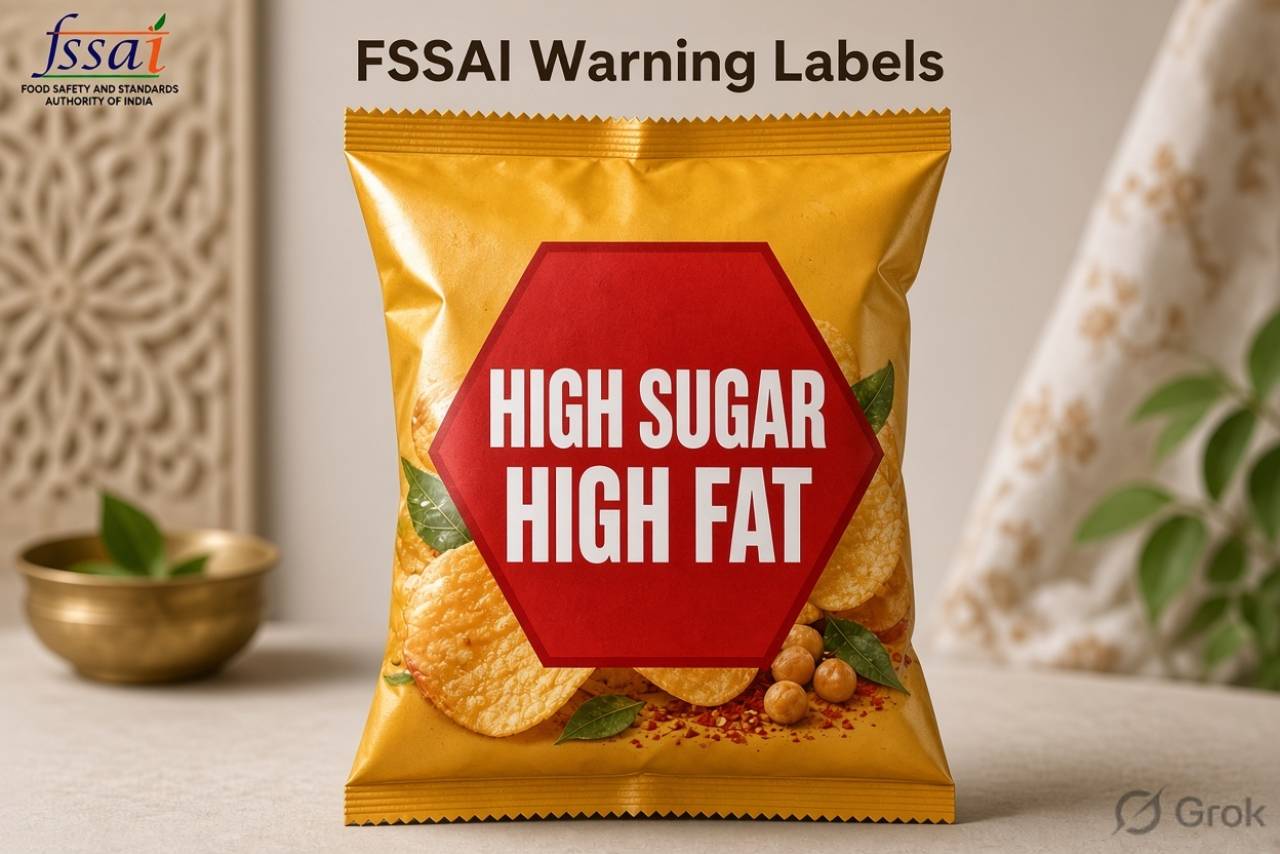
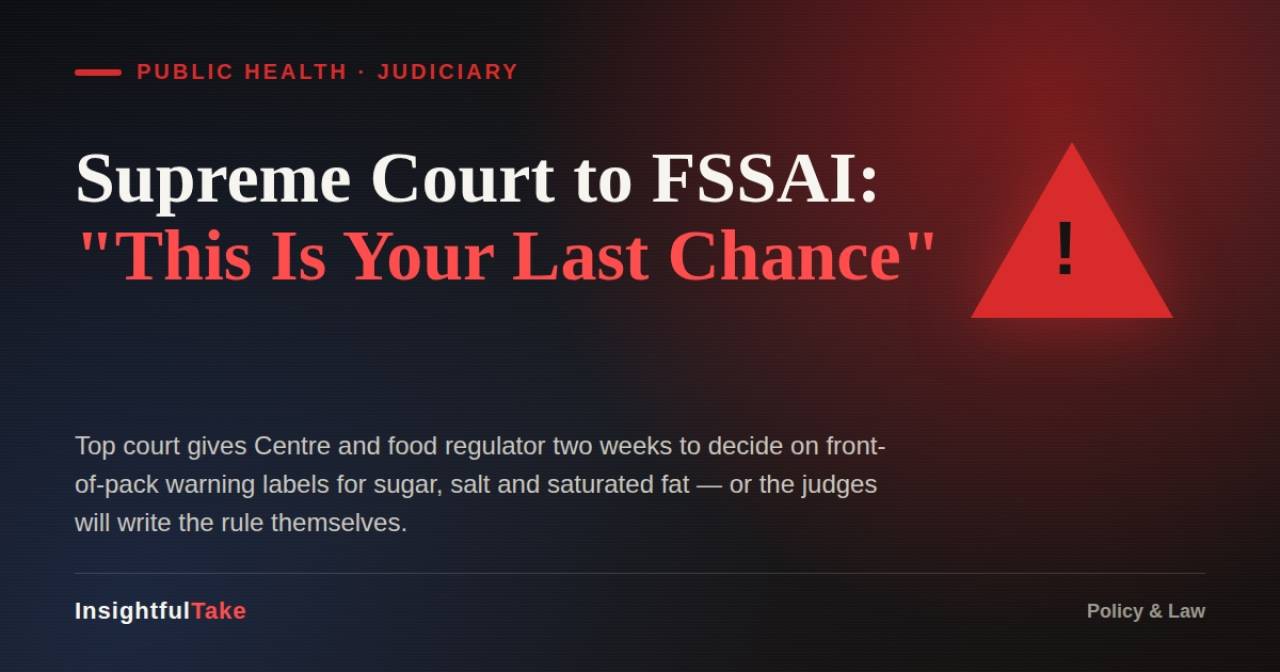
Unlike Britain’s clearly defined and enforceable ban on junk food advertising, India’s regulatory process often appears stuck in delays. A key example is Front-of-Pack Labelling (FOPL), which is meant to warn consumers about unhealthy food content. Although the proposal has been discussed for years and supported by public health experts, it has yet to be implemented effectively.
The two approaches differ sharply. Britain has acted decisively to reduce the influence of junk food marketing on children. In India, action often comes only after public pressure, viral social media posts, or investigative reports expose problems.
Effective food regulation requires not only standards but also strong enforcement. When unhealthy products continue to be promoted without meaningful restrictions, public trust in the regulator erodes further.
Britain’s policy shows that food regulation works only when authorities are willing to act firmly and remain answerable to the public, not when rules exist only on paper. Protecting children requires accepting that marketing power often overwhelms awareness and choice.
For India, restoring confidence in food regulation will require more than announcements and committees. The FSSAI must enforce its rules consistently, resist industry pressure, and communicate openly with citizens. Without visible action, trust will continue to decline.
If food safety is to be taken seriously, regulation must move beyond paperwork and promises. Only then can people be confident that the food reaching their plates is safe and honestly regulated.

















Leave a Comment