
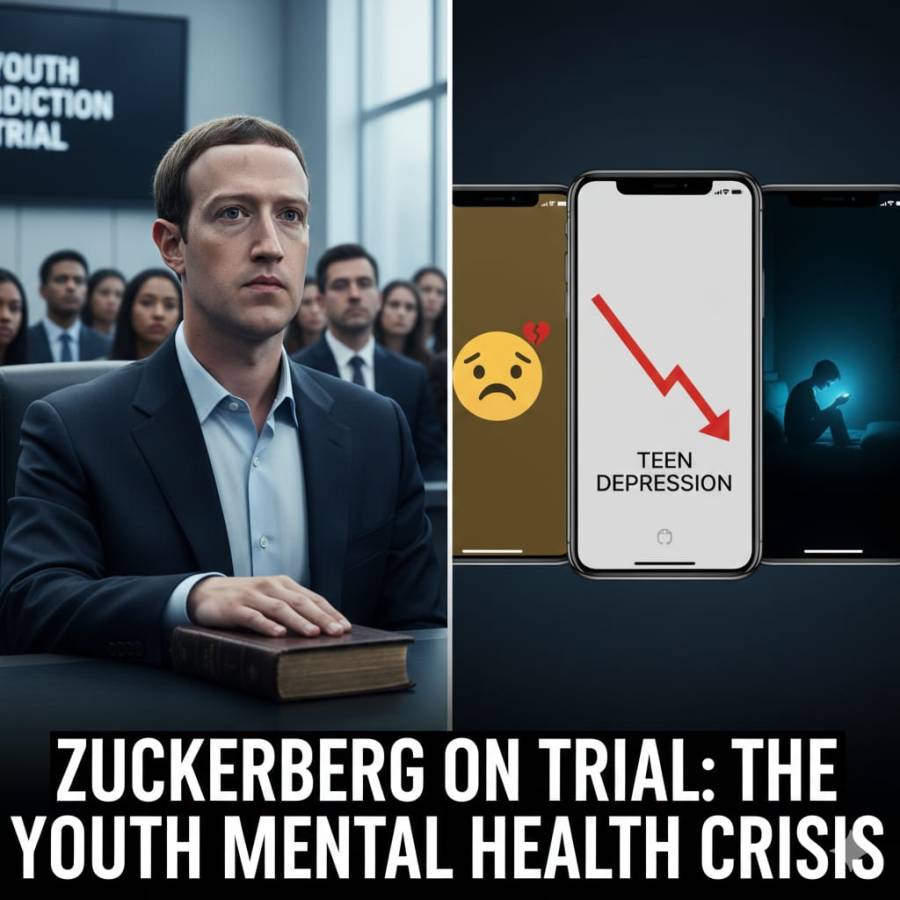
When Mark Zuckerberg walks into a Los Angeles courtroom to defend Instagram, it isn’t just a tech executive on trial—it’s the entire social media era being forced to answer a question parents have been asking for years: did the platforms built to connect our children quietly end up hurting them?
In a Los Angeles courtroom, the long-standing debate over social media’s influence on the younger generation has finally reached a critical turning point. Mark Zuckerberg, the billionaire founder of Facebook and CEO of Meta, is facing a jury for the first time to answer gruelling questions about Instagram’s role in what many parents and policymakers describe as a youth mental health crisis.
For years, concerns about the psychological impact of social media have simmered in academic journals, parent-teacher meetings, and legislative hearings. Now, those concerns have crystallized into a courtroom confrontation with potentially historic consequences. Unlike previous appearances before Congress—where Zuckerberg defended his company amid bipartisan scrutiny—this case carries the tangible threat of legal liability and financial damages. More importantly, it challenges the legal shield that has long protected tech platforms from being held responsible for the content and experiences users encounter online.
At the heart of the lawsuit is a deeply personal story. A California woman alleges that her early and prolonged exposure to Instagram and YouTube triggered a cascade of mental health struggles, including depression and suicidal ideation. According to the complaint, the platforms were not neutral tools but carefully engineered ecosystems designed to maximize engagement—particularly among young users. The allegation is stark that these companies knowingly created addictive digital environments, prioritizing growth and advertising revenue over the emotional well-being of children.
The legal arguments hinge on whether Meta and Google, YouTube’s parent company, can be held liable for alleged harms tied to their algorithms and product design. For decades, technology companies have relied on legal protections that treat them as intermediaries rather than publishers. Critics argue that algorithmic amplification—the deliberate promotion of certain types of content to keep users engaged—blurs that distinction. If a jury determines that platform design directly contributed to psychological harm, the verdict could reshape how courts interpret tech companies’ responsibilities.
Meta and Google, however, reject the characterization that their platforms are inherently harmful. They highlight the safety features introduced in recent years: parental controls, time-limit reminders, content moderation systems, and enhanced privacy settings for minors. Both companies also cite research, including findings from the National Academies of Sciences, which suggest that while social media can correlate with mental health challenges, evidence has not definitively proven a direct causal relationship that fundamentally alters children’s mental health outcomes.
Yet internal research conducted by Meta—particularly studies examining Instagram’s effects on teenage girls—is expected to take center stage during Zuckerberg’s testimony. Lawmakers and whistleblowers have previously pointed to documents indicating that the company was aware of certain negative impacts related to body image and self-esteem. The courtroom will now become the venue where those internal findings are scrutinized under oath.
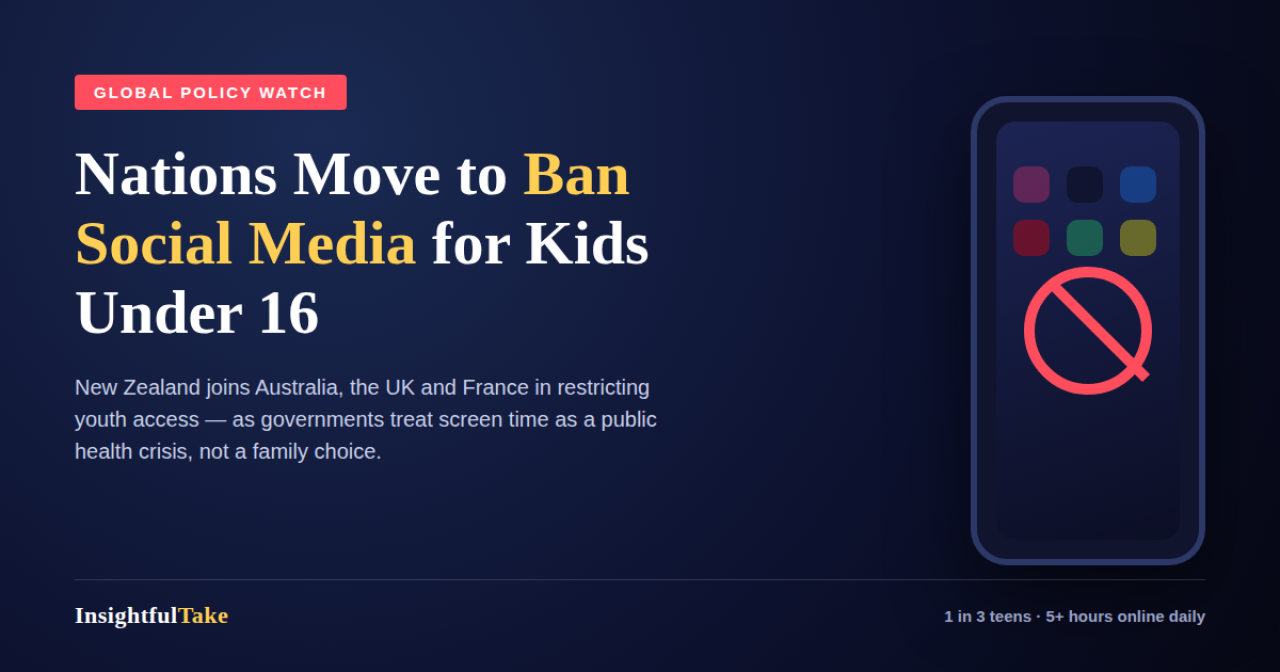
Beyond this individual case lies a much broader reckoning. Thousands of lawsuits from families, school districts, and state governments across the United States are waiting in the wings, many raising similar allegations about the role of social media in rising anxiety, depression, and self-harm among youth. Internationally, governments are also reassessing digital access for minors. Countries such as Australia and Spain have already taken steps toward restricting or banning social media use for children under 16, reflecting a growing global unease.
For Zuckerberg, the trial represents more than a personal legal challenge; it is a defining moment for the social media era he helped pioneer. For families watching from across the country, it symbolizes a search for accountability in a world where screens shape childhood as profoundly as classrooms or playgrounds once did.
Whether the jury ultimately sides with the plaintiff or the defense, the implications will reverberate far beyond one courtroom in Los Angeles. The case stands as a pivotal test of how society balances technological innovation, corporate responsibility, and the fragile mental health of the next generation.


























Leave a Comment