

It is a strange and painful irony that while India’s economy is often called a global "bright spot," the people who grow our food are struggling just to keep their heads above water. For the past ten years, we have heard countless promises about doubling farm incomes and modernizing our villages. But if you walk into any rural household today, the conversation isn’t about growth—it’s about survival. The latest data from the Reserve Bank of India (RBI) confirms what many in the heartland already knew: the burden of the nation's "bad debt" has shifted from the air-conditioned offices of big corporations to the weathered hands of the Indian farmer.
A Shift in the Burden
A decade ago, the biggest worry for our banks was the massive, unpaid loans of billionaire industrialists. Today, that picture has flipped. Major companies have largely cleared their dues or seen their debts restructured, but the individual borrower, specifically the farmer, is now stuck in a deepening pit.
In 2025, over 36% of India’s total bad loans were linked to the agriculture sector. To put it simply, while the wealthy have found a way out of their financial messes, the average farmer is being pushed further into a corner. When a crop fails or a market crashes, there is no "corporate bailout" for the man behind the plow.
Rising Costs and Falling Farm Income
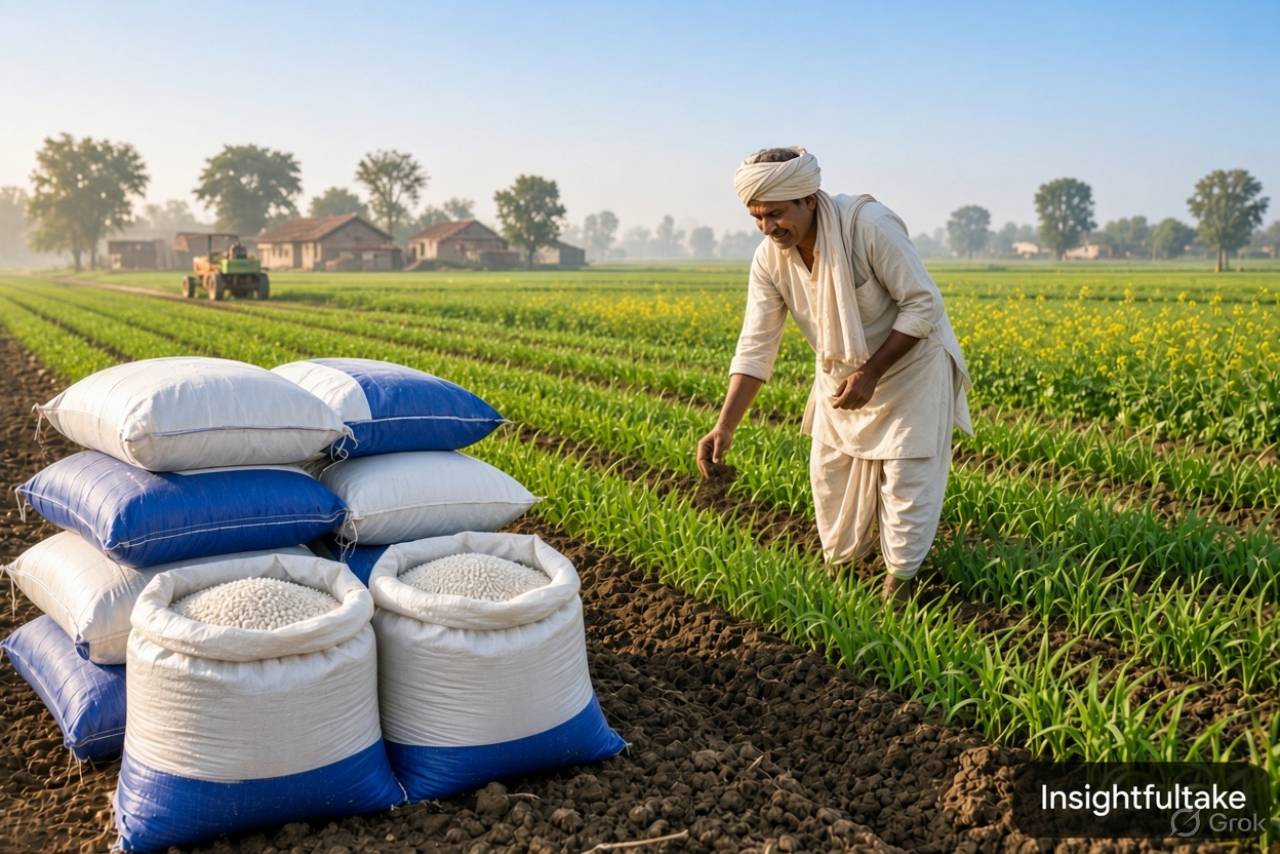
The reason for this crisis isn't laziness or lack of skill; it’s simple, brutal math. Over the last decade, the cost of everything a farmer needs has skyrocketed. The price of diesel for tractors, the cost of seeds, and the expense of fertilizers have climbed steadily. Yet, when it comes time to sell the harvest, the prices in the mandi (market) are often stagnant or shockingly low.
Farmers are essentially forced to buy their inputs at retail prices but sell their output at wholesale prices. This gap has created a situation where even a "good" harvest doesn't guarantee a profit. Many families are finding that after months of back-breaking labor, they barely earn enough to pay off the interest on the money they borrowed to plant the seeds in the first place.
The Climate and Market Trap
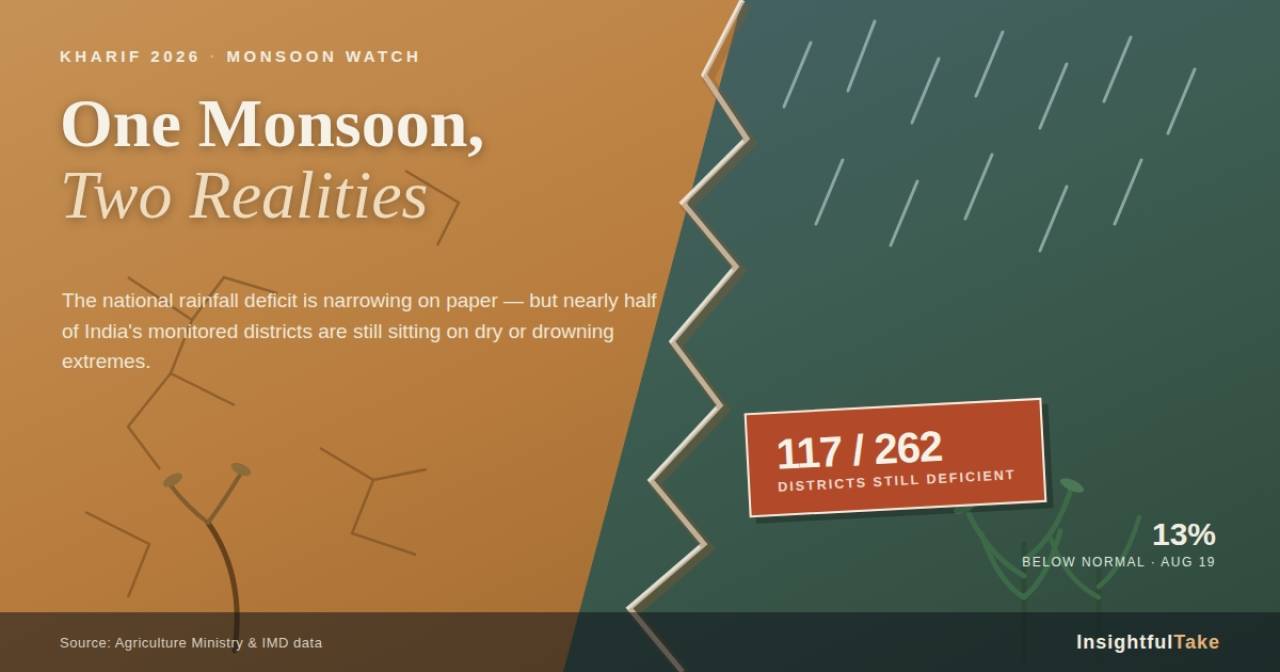
On top of the financial strain, the weather has become an unpredictable enemy. In the last few years, we’ve seen a pattern of "too much or too little." Either a heatwave scorches the wheat just before harvest, or unseasonal heavy rains wash away the cotton and soy.
When the weather doesn't kill the crop, the market often does. We frequently see heart-wrenching images of farmers dumping tons of tomatoes or onions on highways because the market price wouldn't even cover the cost of the gunny bags. This isn't just a loss of money; it's a loss of dignity.
Why Current Help Isn't Enough
The government has introduced several schemes, like the PM-Kisan cash transfers and crop insurance. While these are welcome, they are often like putting a small bandage on a deep wound. Receiving a few thousand rupees a year helps with immediate needs, but it doesn't change the fact that the entire farming system is tilted against the small producer.
Crop insurance, which should be a lifesaver, is often tied up in so much red tape that a farmer might wait a year or more to see a payout. By then, they have already been forced to take a high-interest loan from a local moneylender just to survive, starting the cycle of debt all over again.
How Farmer Debt is Driving Rural Exodus
The most tragic part of this decade-long struggle is the impact on the next generation. Young people in villages are watching their parents struggle and are deciding that farming is no longer a viable life. We are seeing a mass exodus from the fields to the cities, where farmers end up as underpaid daily laborers on construction sites. We are losing our traditional knowledge and our connection to the land because we have made it impossible for a farmer to live a life of basic comfort and security.
Final Take
If we want to save our rural heartland, we have to stop looking at farming as a charity case and start looking at it as a business that needs to be profitable. This means building real infrastructure—local warehouses where farmers can store their grain safely until prices improve, and direct links to buyers so that middlemen don't swallow all the profit.
The RBI’s report is a warning light on the dashboard of our nation. It tells us that our "Annadata" is in trouble. A country cannot truly be successful if the people who feed it are living in constant fear of a bank notice or a failed monsoon. It’s time to move past the slogans and give our farmers a fair deal.























Leave a Comment