
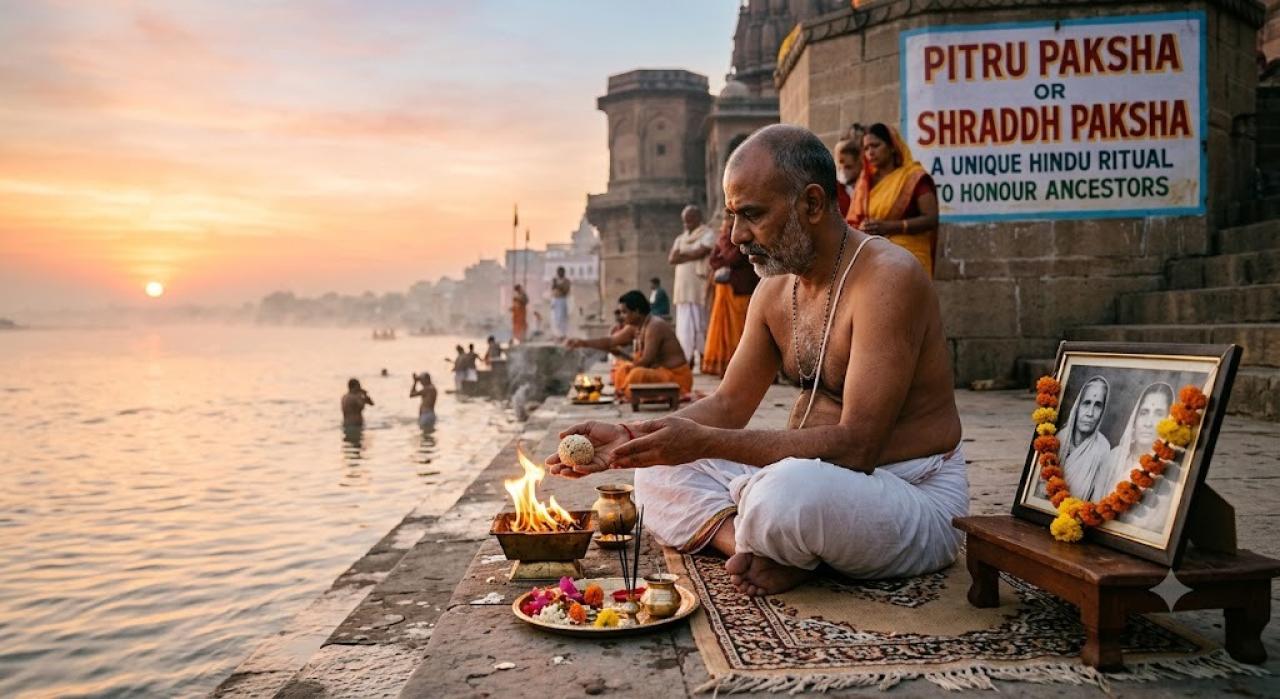
Pitru Paksha is a 16-day period when Hindu families remember their ancestors, perform Shraddh rituals and reflect on the bond between generations.
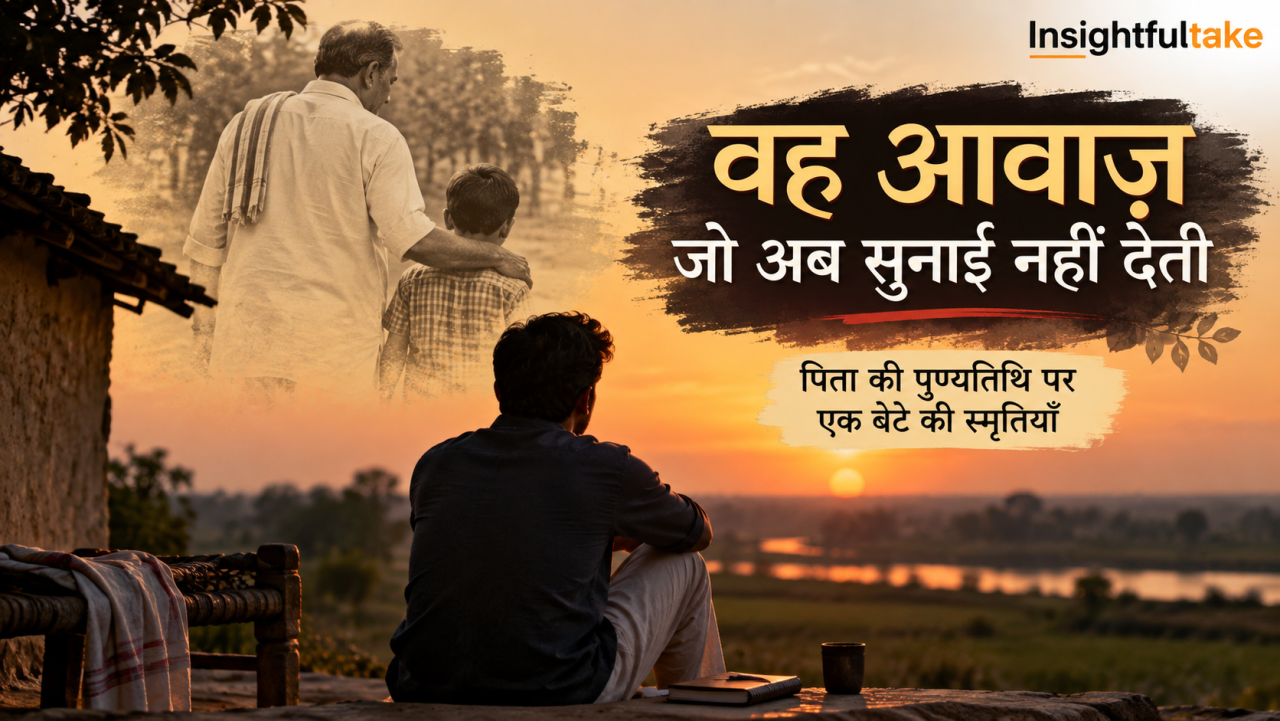
Pitru Paksha, also known as Shraddh Paksha, is a 16-day period in the Hindu calendar dedicated to remembering and honouring ancestors. In 2026, Pitru Paksha begins on September 26 and end on October 10. For many Hindu families, this period is an important time to remember deceased parents, grandparents and other members of the family lineage and to express gratitude for the lives that came before them.
The tradition is rooted in the Hindu belief that a person remains connected with his or her ancestors even after death. The rituals performed during Pitru Paksha are therefore not only acts of religious observance but also expressions of remembrance, gratitude and family continuity.
According to Hindu belief, Pitru Paksha begins with the full moon of the Bhadrapada month and concludes on the new moon, known as Sarva Pitru Amavasya or Mahalaya Amavasya. The period is traditionally associated with the belief that departed ancestors come closer to the world of their descendants during these days. Families remember their ancestors, perform Shraddh rituals and offer food and water in their memory.
The belief is closely connected with the Hindu understanding of life, death and rebirth. Hindu philosophy views life as part of a larger cycle in which the soul passes through different stages of existence. Death, therefore, is not considered the absolute end of existence. The rituals of Pitru Paksha are understood within this broader spiritual framework.
Simple Rituals With Deep Meaning
The rituals performed during Pitru Paksha are generally simple. They may include offering cooked rice, water, black sesame seeds, flowers and other traditional items in memory of the ancestors. In many families, these rituals are performed with the guidance of a priest who is familiar with Shraddh traditions.
One of the common practices is offering water mixed with black sesame seeds, known as Tarpan. Some devotees also visit rivers, ponds or other sacred places to perform the rituals. Taking a bath before the ceremony and offering water while remembering the ancestors are considered important practices in several Hindu traditions.
Food is another important part of Shraddh. Families prepare traditional dishes and offer them first in remembrance of the departed. In some traditions, food is also offered to Brahmins, poor people, animals and birds. The act represents sharing and giving rather than simply performing a private religious ceremony.
The underlying idea is that the living should not forget those who helped shape their lives. Parents, grandparents and earlier generations may no longer be physically present, but their influence continues through family values, habits, memories and traditions.
A Belief in Gratitude and the Cycle of Rebirth
Hindu scriptures and traditional beliefs associate Shraddh with the duty of descendants towards their ancestors. The word Shraddh itself is linked with the idea of faith, sincerity and devotion. The rituals are therefore expected to be performed with respect rather than as a mechanical religious exercise.
It is traditionally believed that performing Shraddh with sincerity brings peace to the departed souls and supports their journey in the cycle of birth and rebirth. Hindu philosophy holds that the soul continues its journey until it attains spiritual liberation.
Every human life is viewed as an opportunity to learn and evolve. Experiences, actions and moral choices are considered important parts of this journey. Within this understanding, remembering ancestors also becomes a way of recognising the long chain of lives and relationships through which a family has evolved.
Some Hindu traditions also associate Pitru Paksha with atonement for mistakes or unresolved obligations associated with one's ancestors. These beliefs vary across communities and religious traditions, but they share a common emphasis on remembering one's duties towards the previous generations.
Remembering the Family Lineage
One of the most interesting aspects of Pitru Paksha is its connection with family history. During these 16 days, families often remember several generations of ancestors. Names and relationships that may otherwise remain forgotten are recalled during the rituals.
In traditional Indian families, knowledge about earlier generations was often passed orally from parents and grandparents to children. Family stories, village histories, migration stories and memories of ancestors became part of this informal record.
Pitru Paksha provides an occasion to revisit that history.
For younger members of a family, such practices can also raise questions about where their family came from, who their grandparents were, where earlier generations lived and what kind of lives they led. In this sense, the ritual can become an opportunity for intergenerational conversation.
Modern life has changed many of these traditions. Families are increasingly spread across different cities and countries, and younger generations may have limited contact with extended family members. As a result, knowledge about ancestors and family history can gradually disappear. Rituals such as Pitru Paksha keep at least some of that connection alive.
Beyond Religious Ritual
The importance of Pitru Paksha is not limited to its religious meaning. It also has a social dimension.
The practice encourages people to remember the contribution of earlier generations and recognise that individual lives are connected to the lives of others. A person's identity is shaped not only by personal achievements but also by family, community, education, culture and values inherited from previous generations.
This idea of remembering one's lineage has existed in many cultures across the world, although the forms and beliefs associated with it differ. In the Hindu tradition, Pitru Paksha gives this remembrance a specific religious structure.
The practice also encourages charity and compassion. On the concluding day of Pitru Paksha, many families donate food, clothes and other necessities to people in need. Food may also be offered to animals and birds. Such practices connect remembrance of the dead with responsibility towards the living.
That aspect gives the ritual a wider social meaning. Remembering an ancestor is not only about looking into the past. It can also encourage a person to think about how he or she treats people who are alive today.
The Final Day of Pitru Paksha
The last day of Pitru Paksha, known as Sarva Pitru Amavasya or Mahalaya Amavasya, has special importance. It is traditionally regarded as an occasion to remember ancestors whose specific death dates may not be known or who could not be remembered on the particular day assigned to them.
Families perform Shraddh and Tarpan according to their traditions and offer food in memory of their ancestors. Many also undertake charitable activities as part of the observance.
The conclusion of Pitru Paksha is followed by the beginning of the festive period associated with Navratri. Thus, the Hindu calendar moves from a period of remembrance and contemplation towards celebrations dedicated to the divine feminine.
Pitru Paksha therefore occupies a distinctive place in Hindu religious and cultural life. It brings together remembrance, family history, spirituality, charity and the belief in the continuity of life beyond death.
For believers, the 16-day period is a reminder that the present generation did not arrive in isolation. Behind every family are generations of people whose choices, struggles and sacrifices contributed to the lives that followed.
Whether understood primarily as a religious obligation, a family tradition or a period of remembrance, Pitru Paksha encourages people to pause and look back. It asks the living to remember the departed with gratitude and to recognise the connection between generations.
In that sense, the essence of Pitru Paksha lies not only in the rituals performed but also in the act of remembering. It is a time when families look towards their past, acknowledge their roots and reflect on the responsibilities they carry into the future.




















Leave a Comment